
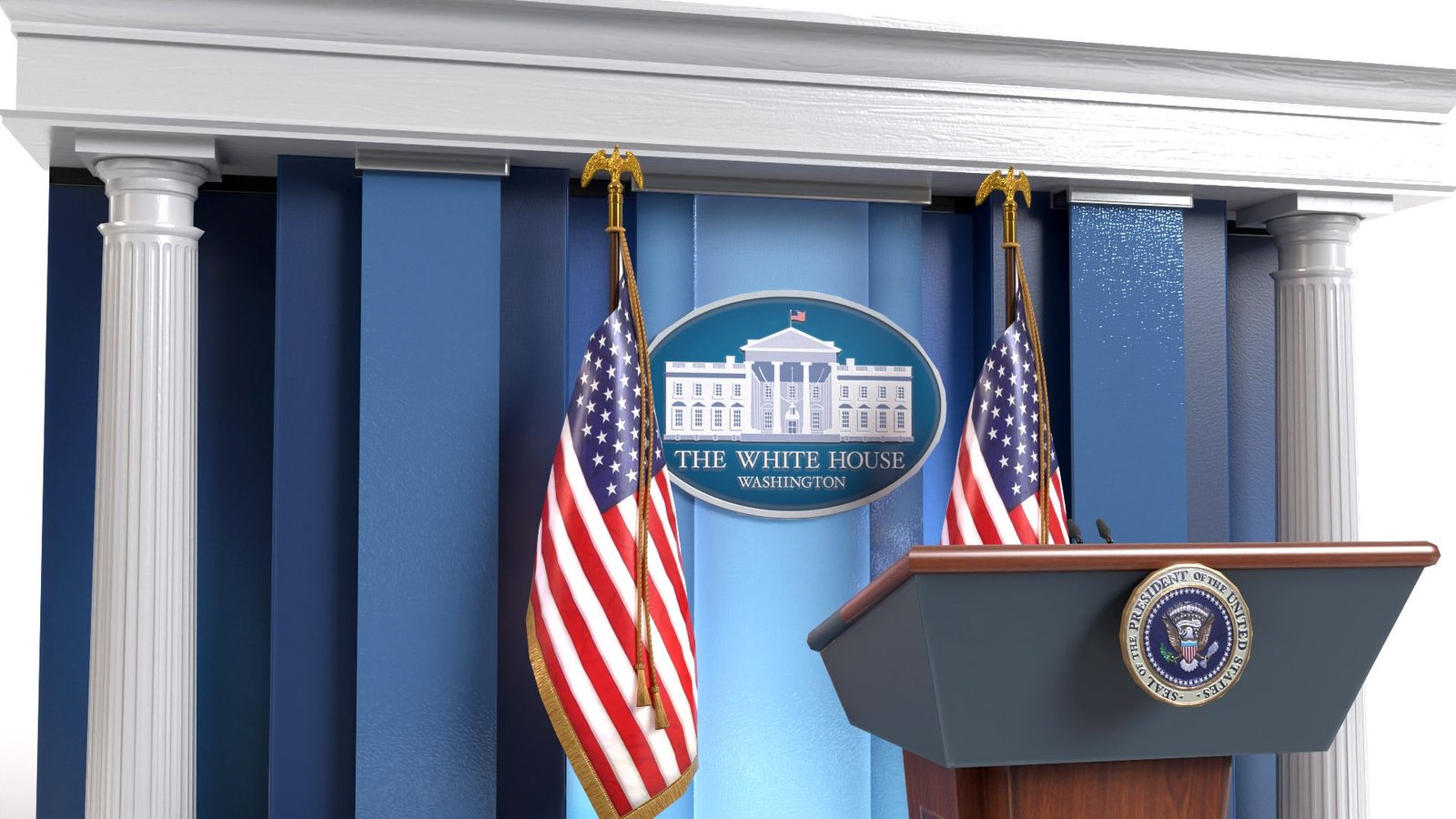
The White House briefing schedule is drawing attention after the administration announced a press briefing for Thursday. The event will mark the first formal briefing in more than 40 days. However, officials have not yet identified who will answer questions from reporters during the session.
The upcoming briefing follows the departure of Karoline Leavitt from her position as White House press secretary. Leavitt recently completed her final day in the role after serving as the administration’s primary spokesperson. Nevertheless, she will continue supporting President Donald Trump in an advisory capacity outside the White House.
The administration has not announced a permanent replacement for Leavitt. Meanwhile, several potential candidates have emerged as possible choices for the position. Among the names under consideration are political commentator Scott Jennings and former federal prosecutor Alina Habba.
The uncertainty surrounding the next press secretary has added interest to the White House briefing. Reporters will likely seek clarification about the administration’s plans for its communications operation. They may also ask whether Trump expects to appoint a permanent spokesperson soon.
Earlier this year, the administration relied on several senior officials while Leavitt took maternity leave. Vice President JD Vance, Secretary of State Marco Rubio, and Treasury Secretary Scott Bessent each addressed reporters. Their appearances demonstrated how the administration can use different officials to communicate its policies.
However, the White House has not indicated whether a similar approach will continue. Thursday’s event could therefore provide additional information about the administration’s communications strategy. It could also offer clues about who might regularly represent Trump before the press.
The extended gap between formal briefings has attracted attention because press conferences traditionally provide regular opportunities. During these sessions, reporters can question administration officials about domestic and international developments. They also allow officials to explain government decisions directly to the public.
The White House briefing therefore represents more than a routine appearance for reporters. It comes during a transition in the administration’s communications team. At the same time, the lack of clarity over Leavitt’s successor remains a central question.
Trump has not publicly suggested that he wants to accelerate the selection process. Instead, his administration appears willing to consider several possible candidates before making a decision. That approach could allow officials additional time to evaluate potential replacements.
Leavitt also offered a strong description of Trump’s communication abilities when discussing her departure. She indicated that the president considers himself capable of communicating directly with the public. Consequently, the administration may place greater emphasis on Trump’s own public statements.
Nevertheless, the White House still needs an effective structure for responding to daily questions. Reporters regularly seek immediate answers about policy decisions, personnel changes, and national developments. A permanent press secretary could provide greater consistency in those communications.
For now, the White House briefing will provide an opportunity to assess the administration’s approach. Officials could reveal who will handle future press appearances or continue using different representatives. Either way, Thursday’s session will attract attention because of the unusually long break.
The administration’s next steps will likely clarify its plans for the communications team. Until then, uncertainty remains over who will permanently occupy the press secretary position. The White House briefing could offer the first significant indication of its future direction.