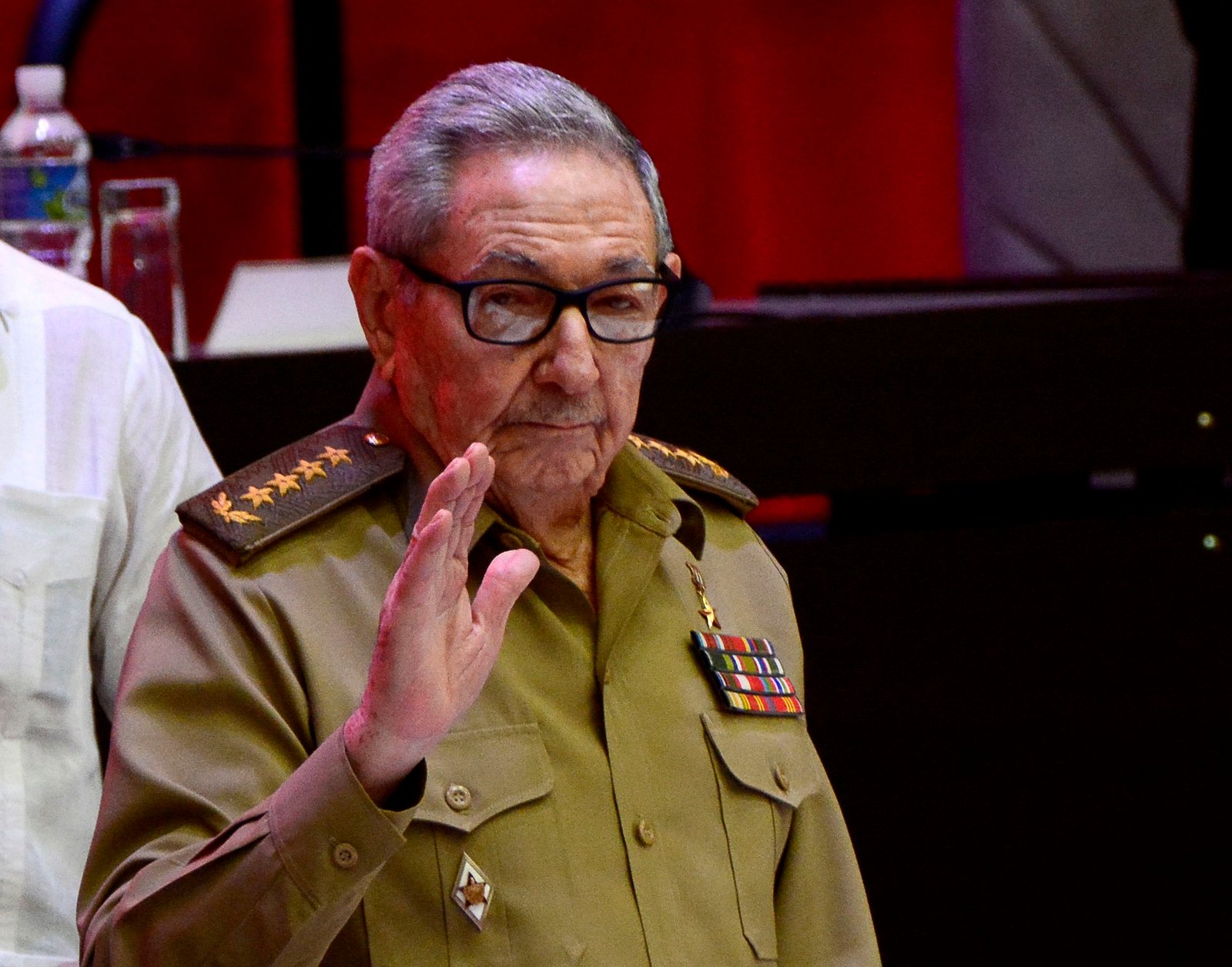
Reports about Raúl Castro’s condition have renewed uncertainty over Cuba’s political direction and leadership structure. Sources cited by Cuban media figures say the former president faces a serious health crisis. However, authorities have not publicly confirmed the reports, and independent verification remains unavailable.
Castro, who is 95, no longer holds Cuba’s presidency or its top government positions. Nevertheless, analysts have continued to regard him as an influential figure within the country’s political system. His long-standing relationships with the military and Communist Party have helped maintain his influence.
According to reports from sources on the island, Castro suffered a stroke and remains in critical condition. Those reports also claim that doctors have placed him under intensive medical support. However, the available information remains unverified, leaving questions about the accuracy of the claims.
Castro last appeared publicly in August during events commemorating the 100th anniversary of his brother Fidel Castro’s birth. That appearance marked one of his few recent public engagements. Since then, limited information about his health has fueled additional speculation about his condition.
Raúl Castro played a major role in Cuba’s modern political history for several decades. He served as defense minister while Fidel Castro governed the country. As a result, he developed extensive connections within Cuba’s armed forces and political institutions.
He eventually succeeded his brother as Cuba’s president in 2008 after Fidel stepped aside because of health problems. Raúl remained president for about a decade before leaving the position. Even afterward, however, political observers continued to monitor his influence over the government.
Meanwhile, Miguel Díaz-Canel currently serves as Cuba’s president and leads the Communist Party. Despite Díaz-Canel’s formal authority, analysts have argued that Raúl Castro continued to provide influence behind the scenes. His military background also gave him a significant role in maintaining relationships among powerful government groups.
Therefore, any prolonged absence could create new uncertainty within Cuba’s leadership. Different factions could potentially seek greater influence as the country adjusts. At the same time, Cuba’s existing political institutions could attempt to maintain continuity during any transition.
Cuba’s Future also depends on how the government manages relationships between political, military, and economic interests. Observers have long considered those relationships important to the stability of the ruling system. Consequently, Castro’s health has attracted attention well beyond questions about his personal condition.
During his presidency, Castro introduced several limited economic changes and allowed a modest expansion of private business. He also participated in diplomatic efforts that changed Cuba’s relationship with the United States. Most notably, he worked with President Barack Obama on restoring diplomatic relations in 2014.
That agreement represented a major shift after decades of hostility between Washington and Havana. The two governments reopened diplomatic channels and moved toward greater engagement. However, subsequent political developments changed the direction of those relations.
Castro also remains a controversial figure among Cuban opposition activists and exiles. Critics have accused his government of serious human rights abuses and repression. Supporters and government officials, however, have defended Cuba’s political system and its revolutionary history.
The former leader also faces legal attention from the United States. U.S. prosecutors announced an indictment connected to the 1996 destruction of two aircraft operated by Brothers to the Rescue. Prosecutors allege that Castro participated in the military chain of command surrounding the operation.
The incident occurred over international waters and resulted in four deaths. Cuban officials have rejected U.S. accusations concerning responsibility for the incident. Castro has not appeared before a U.S. court in connection with the case.
Beyond Castro himself, attention has also turned toward members of his family. His grandson, Raúl Guillermo Rodríguez Castro, has attracted speculation about his possible involvement in discussions involving Cuba and the United States. Reports indicate that those discussions have faced difficulties and have not produced a clear outcome.
For now, uncertainty surrounds both Castro’s reported medical condition and its potential political consequences. No confirmed announcement has established that he has suffered the reported medical emergency. Nevertheless, the reports have renewed discussion about succession and political stability.
Cuba’s Future could become a major question if Castro can no longer influence the country’s leadership. His departure from the political scene would remove a figure with decades of institutional experience. As a result, observers will likely watch Cuba’s government closely for signs of changing alliances or leadership dynamics.