
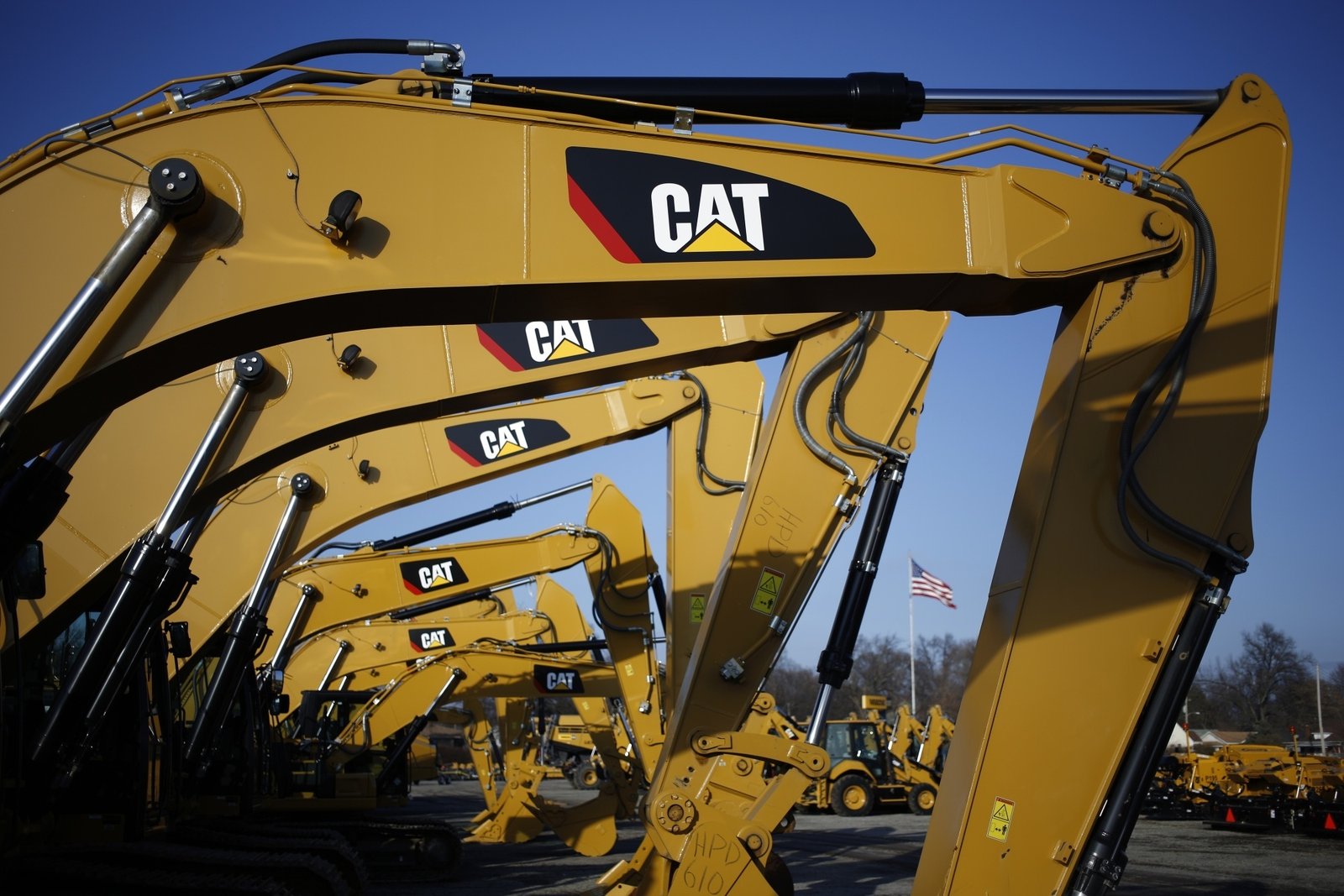
AI expansion is becoming a bigger part of Caterpillar’s strategy as the equipment manufacturer builds on years of mining automation experience. The company developed autonomous technology through mining operations, where automation can address labor shortages and improve safety. Now, Caterpillar plans to apply those lessons across construction sites, quarries, manufacturing facilities, and other industrial environments.
Its autonomous portfolio includes haul trucks, drilling equipment, underground loaders, dozers, and remotely controlled construction machinery. Caterpillar also provides software for fleet management, remote operations, and monitoring industrial sites. Consequently, the company sees its mining experience as a foundation for expanding artificial intelligence across its wider operations.
Caterpillar has also introduced AI tools for technicians, operators, and employees. Its AI assistant allows technicians to use voice commands while working beside machines. The system can provide repair instructions, identify potential problems, and help locate parts needed for maintenance.
Furthermore, the assistant uses information from Caterpillar’s connected equipment network. The company has approximately 1.6 million connected assets worldwide, generating more than 16 petabytes of structured data. Caterpillar also uses AI to scan facilities and create digital twins that help manufacturers analyze operations and improve efficiency.
Meanwhile, the company has introduced AI across its corporate operations and software development activities. AI agents can help update older computer code, develop new software, test programs, and identify defects earlier. However, Caterpillar says deploying AI successfully requires more than developing advanced technology.
Companies must also change workplace processes and determine how employees will work alongside autonomous systems. Experienced operators can help train AI systems by providing knowledge gained through years of industrial experience. As machines become more autonomous, some workers may supervise several machines from remote command centers.
Therefore, Caterpillar must prepare its workforce for changing responsibilities. The company employs approximately 118,000 people and plans to spend $100 million over five years on training. That investment will focus on artificial intelligence, robotics, and autonomous technology.
The company’s technology push also comes as growing AI infrastructure demand supports its equipment business. Caterpillar reported quarterly revenue of $20.5 billion during the second quarter, reaching a record level. Strong demand for power-generation equipment helped drive that performance as data centers expanded their electricity requirements.
Caterpillar’s power-generation division recorded a 72% increase in sales, reaching approximately $3.1 billion. Meanwhile, continued investment in cloud computing and generative AI infrastructure could create additional demand for its equipment. As a result, Caterpillar expects its industrial capabilities to benefit from continued technology investment.
Overall, AI expansion represents an important part of Caterpillar’s broader automation strategy. The company is transferring knowledge developed through mining into construction, manufacturing, software, and other operations. At the same time, Caterpillar continues investing in connected equipment, robotics, employee training, and AI-powered tools. As AI infrastructure expands, the company expects these investments to create opportunities across several industrial markets.

