
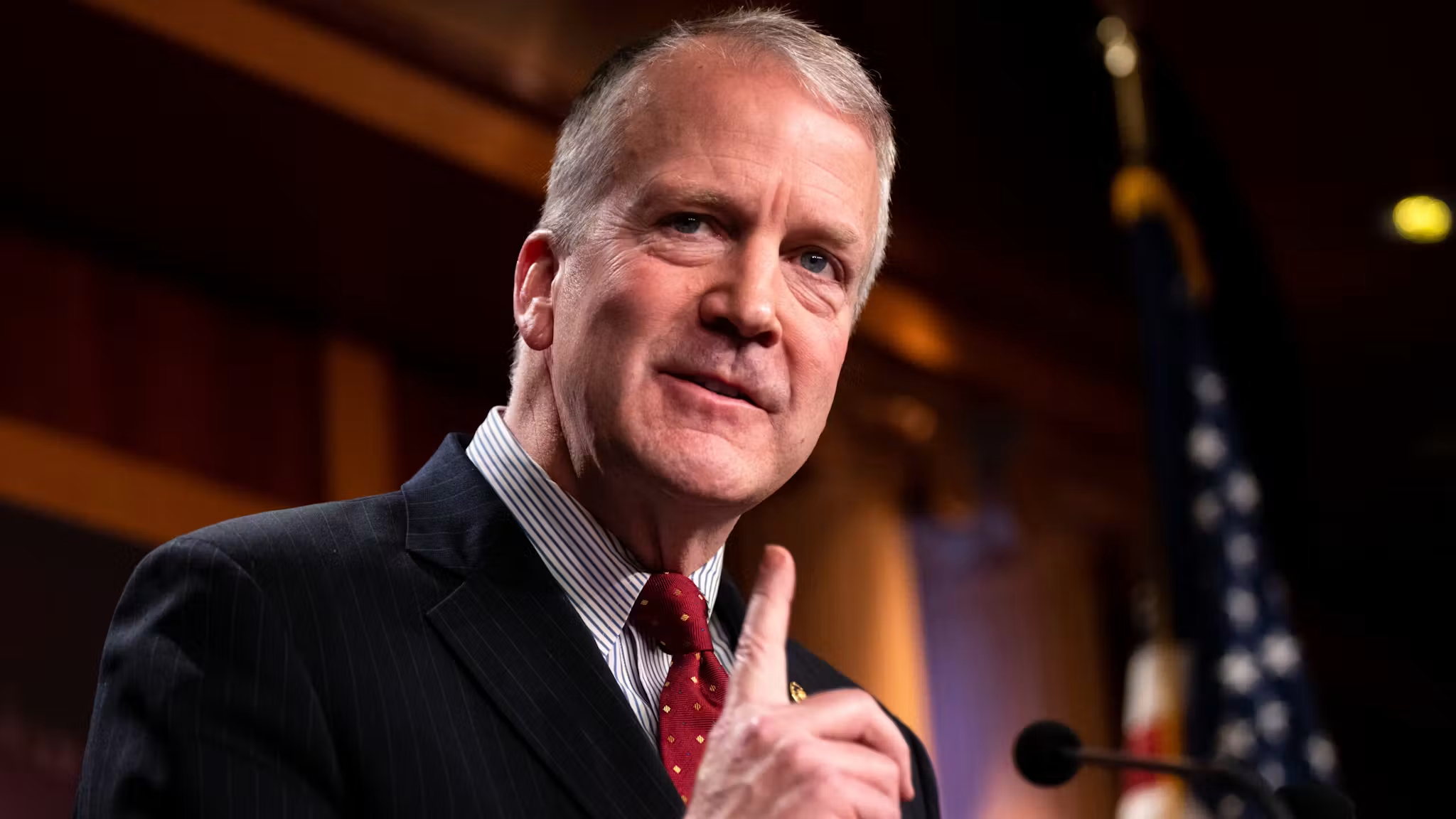
The Alaska Senate race now features three candidates after Dan J. Sullivan advanced to November’s general election. Republican Sen. Dan Sullivan will face his fellow Republican namesake and Democrat Mary Peltola.
The unusual contest has attracted attention because two Republican candidates share nearly identical names. However, Alaska’s election system could reduce the potential impact of voter confusion during November’s ranked-choice election.
The state uses an all-party primary system that allows candidates from different political parties to compete together. The four candidates receiving the most votes advance to the general election.
Therefore, voters can potentially rank both Sullivan candidates on their November ballots. However, some voters may select only one candidate with the Sullivan surname.
That distinction could become important if the Senate contest remains close through the final counting process. Consequently, both Republican campaigns face a significant challenge in distinguishing themselves before voters return to the polls.
Sen. Dan Sullivan has represented Alaska in the Senate since first winning election in 2014. He secured another term in 2020 and has built his political profile around several Alaska-focused issues.
A former Marine, Sullivan has frequently highlighted his support for military veterans. He has also emphasized policies affecting Alaska’s fishing industry and the state’s broader economy.
Meanwhile, Dan J. Sullivan entered the race as another Republican candidate with the same surname. His candidacy has generated controversy because political opponents question the circumstances surrounding his campaign.
Republican allies of the incumbent senator have accused Dan J. Sullivan of potentially creating confusion among voters. They have suggested that his campaign could benefit another candidate by making ballots harder to distinguish.
However, Dan J. Sullivan has rejected those allegations and denied intentionally trying to confuse voters. He has also explained his decision to register as a Republican during the campaign.
His previous political affiliation involved the Alaska Independence Party, which he said no longer exists. Meanwhile, questions remain about his connections with a Democratic political consultant who assisted with his campaign launch.
Those circumstances have attracted scrutiny from authorities investigating whether his candidacy involved a broader effort. State and federal prosecutors are examining whether anyone coordinated activities designed to confuse Alaska voters.
The federal investigation has reportedly advanced, with investigators seeking information from people connected with Dan J. Sullivan’s campaign. However, the investigation does not establish that the candidate committed wrongdoing.
Dan J. Sullivan has declined to provide extensive details about his relationship with the Democratic consultant. He has pointed to the ongoing investigation while explaining his limited public comments about the matter.
Meanwhile, Democrat Mary Peltola gives the race another major candidate with statewide political experience. Peltola previously represented Alaska in Congress after winning a special election in 2022.
She made history by becoming the first Alaska Native elected to represent the state in Congress. Later, she won a full term before narrowly losing her congressional seat.
Peltola performed strongly during her previous campaign despite running against a Republican presidential ticket. Her political profile could therefore make her a serious contender in November.
Democrats have viewed Alaska as a potential opportunity to gain a Senate seat. Although the state strongly favored Donald Trump in recent presidential elections, statewide races can produce different results.
Furthermore, Alaska’s ranked-choice voting system can create unpredictable outcomes when several candidates remain competitive. Voters rank candidates in order of preference rather than selecting only one candidate.
As a result, the final outcome could depend on how voters rank the two Sullivans. It could also depend on whether voters identify the candidates clearly before submitting their ballots.
The incumbent Sullivan’s campaign has therefore focused heavily on distinguishing him from his Republican namesake. His supporters argue that voters should recognize his record and experience in Washington.
Dan J. Sullivan, meanwhile, must continue explaining his background and reasons for entering the race. The unusual circumstances surrounding his campaign could remain a major issue throughout the election.
The Alaska Senate contest will now move into the general election stage with three prominent candidates. Voters will ultimately decide which candidate earns the Senate seat during November’s ranked-choice election.
The race could become one of the country’s most closely watched Senate contests this year. Moreover, the unusual presence of two candidates sharing the Sullivan name adds another unpredictable element.
For now, Alaska voters face a distinctive choice involving two Republicans with nearly identical names. They also have a Democratic alternative with previous congressional experience and statewide campaign recognition.
As the November election approaches, campaigns will likely intensify efforts to distinguish their candidates. The final result could ultimately depend on voter preferences, rankings and the dynamics created by Alaska’s election system.

