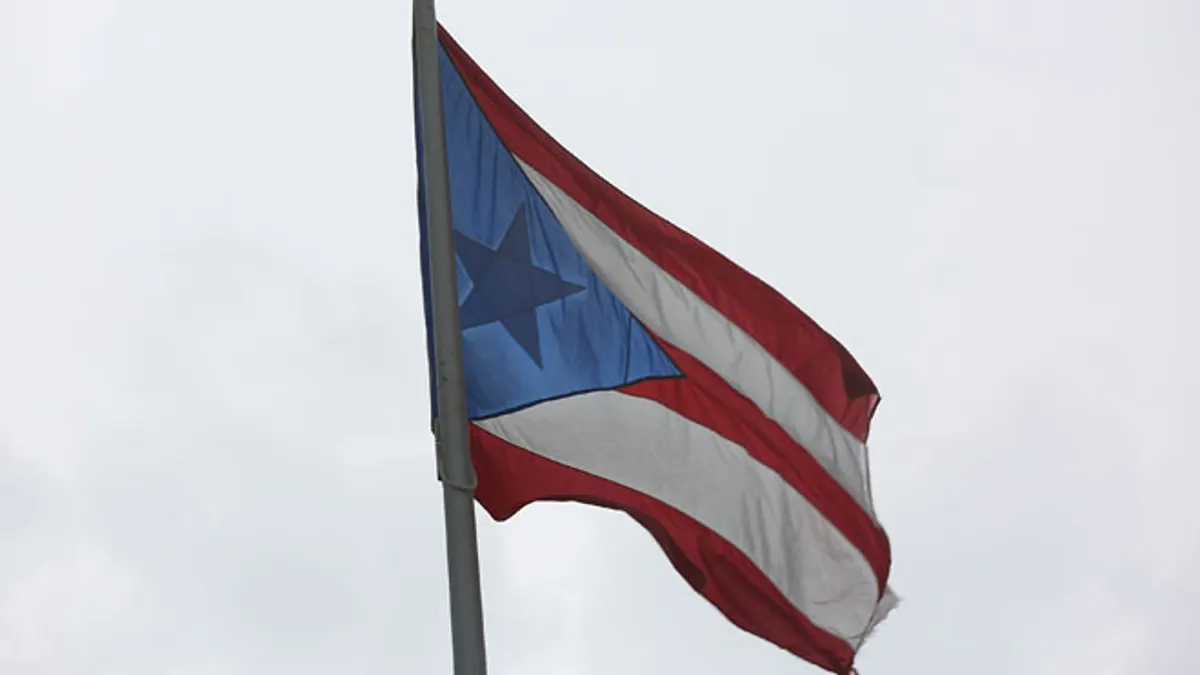
Statehood concerns are emerging among Puerto Rican residents who question the economic and cultural effects of joining the United States.
Several residents in San Juan expressed reservations about making Puerto Rico the nation’s 51st state. They cited potential tax increases, higher living costs and concerns about preserving the island’s distinct cultural identity.
Puerto Rico has remained a U.S. territory since 1898, when the United States acquired the island from Spain. Consequently, questions surrounding its political status have continued to generate debate for generations.
Some residents specifically focused on the possibility of changing Puerto Rico’s current federal tax arrangements. Under statehood, Puerto Rico would become more fully integrated into the federal taxation system.
For residents already struggling with relatively low wages, additional taxes could create significant financial pressure. Moreover, some locals worry that higher taxation could increase everyday expenses across an already challenging economy.
One resident from San Juan argued that prices could rise further if Puerto Rico achieved statehood. She also expressed concern that local salaries might not increase enough to offset those additional costs.
However, Puerto Rico’s governor, Jenniffer González Colón, strongly supports statehood and argues that it would provide greater political equality. She leads the pro-statehood New Progressive Party and has maintained close political ties with President Donald Trump.
Supporters of statehood argue that Puerto Ricans deserve equal treatment under federal programs and greater representation. Nevertheless, opponents question whether statehood would actually address the island’s longstanding economic difficulties.
The island’s political status also creates an unusual relationship with presidential elections. Although Puerto Ricans hold U.S. citizenship, residents cannot vote for president in the general election while living on the island.
One resident cited national political divisions as another reason for opposing statehood. She said current controversy surrounding American politics makes her reluctant to strengthen Puerto Rico’s connection.
Meanwhile, other residents expressed support for complete independence rather than statehood. They argued that Puerto Rico could eventually operate as an independent country while maintaining its own national identity.
A 2024 nonbinding referendum provided voters with three choices involving statehood, independence and associated independence. Statehood received approximately 59% of votes, while independence received 29% and associated independence received 12%.
However, the referendum did not settle Puerto Rico’s political status. Therefore, competing views remain prominent among residents, political leaders and advocates across the island.
Some residents supporting independence also acknowledged that Puerto Rico currently depends heavily on federal assistance. Consequently, they questioned whether the island could immediately manage complete economic separation from Washington.
Critics of the current relationship argue that long-term federal assistance has created economic dependence. At the same time, others maintain that federal support remains essential for vulnerable communities.
Cultural preservation represents another major concern surrounding the statehood debate. Some residents fear that stronger integration with the United States could accelerate changes to Puerto Rico’s traditions.
One resident said Puerto Rico already experiences significant American cultural influence. She worried that statehood could further accelerate that process and weaken aspects of the island’s identity.
Statehood concerns therefore extend beyond taxation and government representation. For many residents, the debate also involves questions about national identity, independence and Puerto Rico’s cultural future.
Ultimately, Puerto Rico’s political status remains unresolved despite decades of referendums and congressional discussions. As debate continues, residents face competing arguments involving economic opportunity, political equality and cultural preservation.
Statehood concerns will likely remain central as supporters and opponents debate what future arrangement best serves Puerto Rico. Meanwhile, the island’s voters continue weighing the potential benefits and consequences of each possible political path.