
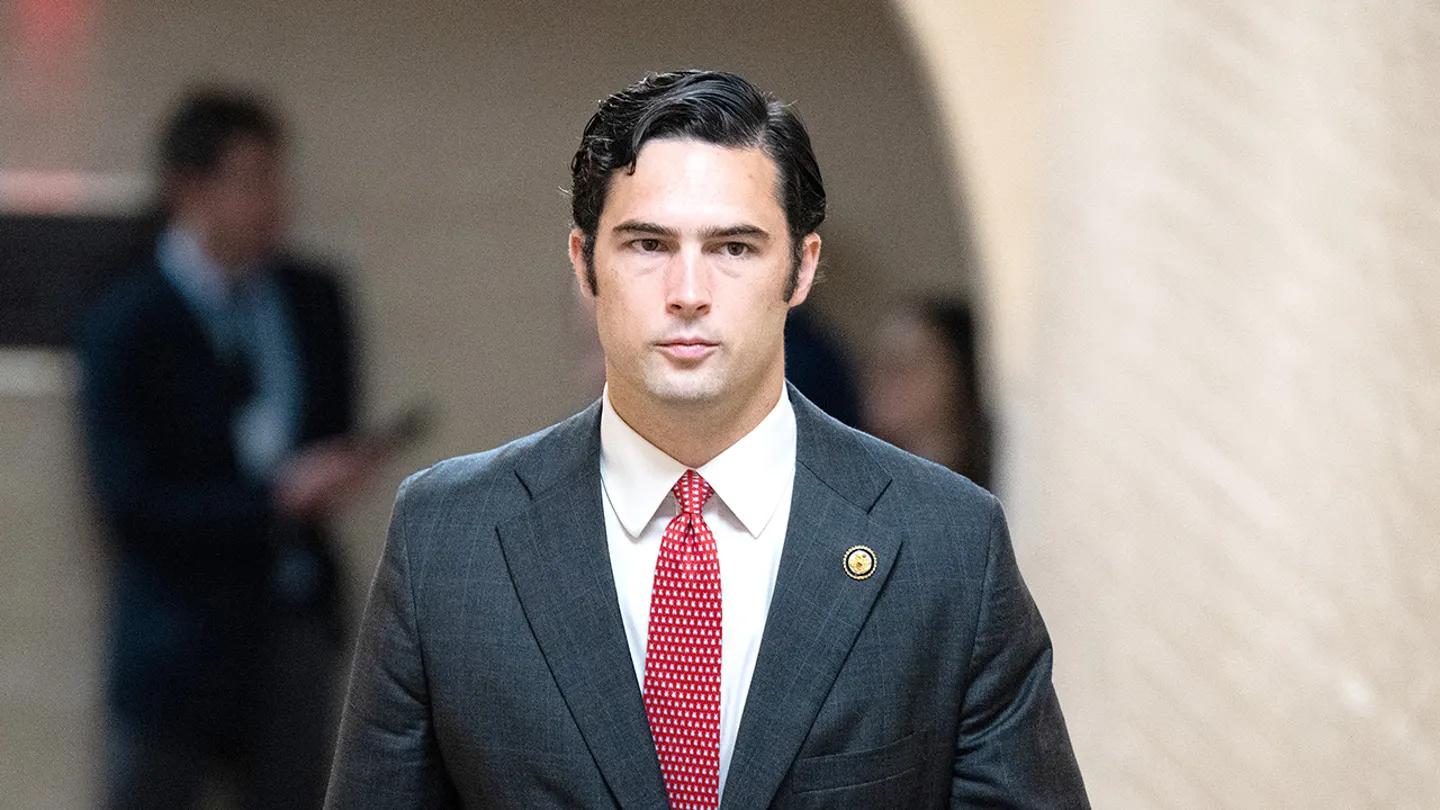
DEI Research has come under renewed congressional scrutiny after Rep. Brandon Gill questioned studies linking workplace diversity with financial performance. The Texas Republican leads a House Oversight task force examining what he describes as institutional abuses across major organizations. Consequently, Gill has requested documents from consulting firm McKinsey & Company regarding several influential reports on workplace diversity. The inquiry focuses on whether companies used those findings to justify race and gender-based employment policies.
McKinsey has defended its broader conclusions while emphasizing that race or gender should never guarantee particular workplace outcomes. The company also argues that diversity includes different experiences, perspectives, backgrounds, and professional viewpoints within organizations. Furthermore, McKinsey says it follows employment laws across the United States and other markets where it operates. The company therefore maintains that its research continues to demonstrate potential economic benefits from workplace diversity.
Gill, however, argues that McKinsey’s research significantly influenced corporate policies involving hiring, promotions, executive compensation, and shareholder voting. According to his letter, major companies and financial institutions relied on those studies when developing diversity-related initiatives. Moreover, Gill contends that progressive advocacy groups used the research to encourage corporations and governments to adopt specific diversity targets. He is now asking McKinsey to provide supporting documents that could allow lawmakers to examine those conclusions.
The Republican lawmaker also questioned whether researchers can independently reproduce the findings from McKinsey’s earlier studies. Gill pointed to outside academic work that he says found little statistical connection between workplace diversity and financial performance. Additionally, he argued that some research may have confused correlation with causation when evaluating corporate diversity. He therefore wants the company to provide underlying material supporting the conclusions presented in its reports.
McKinsey published several major studies between 2015 and 2023 examining relationships between corporate diversity and financial results. Those reports generally concluded that companies with greater racial and gender representation often achieved stronger financial outcomes. However, Gill argues that subsequent researchers have challenged those conclusions and questioned their methodology. Consequently, the congressional inquiry seeks greater transparency surrounding how McKinsey conducted and interpreted its research.
Gill also cited a recent White House economic analysis concerning the financial consequences of diversity, equity, and inclusion programs. According to the figure he referenced, such initiatives generated approximately $94 billion in economic costs during 2023. Gill connected that estimate with employment practices that he believes improperly use racial or gender preferences. However, the economic figure represents an administration assessment rather than an independently established measurement accepted universally.
The dispute arrives amid broader efforts by congressional Republicans to reconsider federal and corporate approaches toward workplace DEI programs. In recent years, Republican lawmakers have increasingly criticized employment policies that consider demographic characteristics. Meanwhile, supporters of diversity programs argue that inclusive workplaces can improve opportunity, recruitment, and organizational decision-making. As a result, the political debate increasingly centers on how employers can pursue diversity without violating employment laws.
McKinsey has not withdrawn its research despite the congressional scrutiny surrounding its earlier reports. Instead, the company continues arguing that workplace diversity can produce meaningful business and economic benefits. At the same time, its representatives acknowledge that employers must comply with legal requirements governing employment decisions. Therefore, the company’s position distinguishes between recognizing diverse perspectives and guaranteeing outcomes based on demographic characteristics.
Gill’s investigation could place additional pressure on corporations that relied heavily on McKinsey’s research when developing workplace policies. Furthermore, lawmakers may examine whether companies implemented demographic targets in ways that could conflict with federal employment protections. The investigation could also encourage other organizations to reassess the evidence supporting their existing diversity programs. However, the eventual impact will depend on the documents McKinsey provides and Congress’s subsequent findings.
DEI Research remains central to the dispute because lawmakers are questioning both methodology and policy consequences. Gill argues that influential corporate studies should withstand independent examination before companies use them to guide employment decisions. McKinsey, meanwhile, continues defending the underlying business case for a diverse workforce. The disagreement highlights an increasingly prominent national debate over workplace diversity, economic performance, and employment law.
DEI could face further examination as Congress continues reviewing corporate diversity initiatives and federal policies. For now, McKinsey maintains its position while Gill seeks additional evidence supporting the company’s published conclusions. The investigation therefore places renewed attention on the relationship between workplace demographics, corporate performance, and lawful employment practices. Ultimately, lawmakers will determine whether the requested documents warrant additional congressional action or regulatory scrutiny.

