
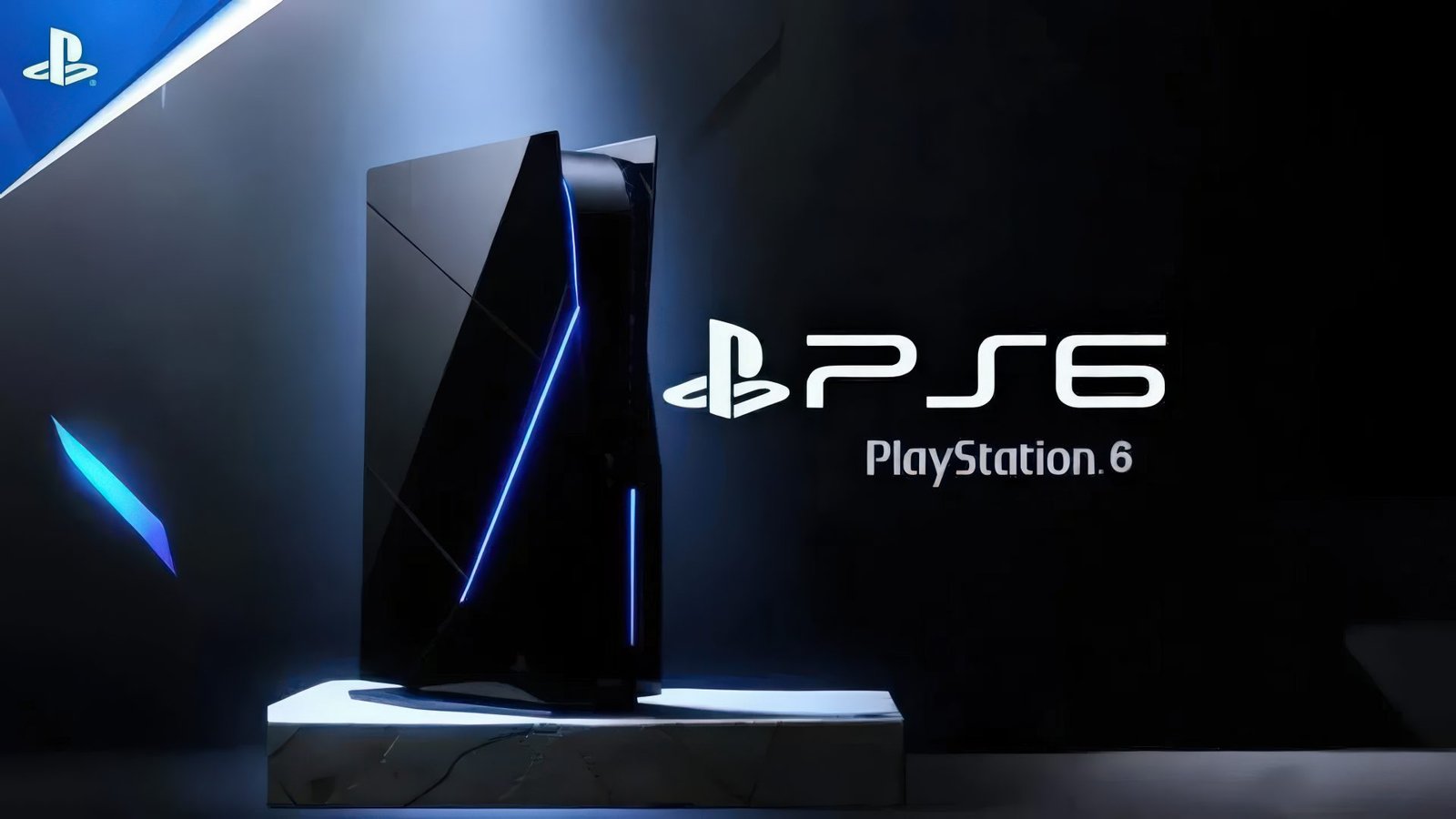
PlayStation 6 plans remain uncertain as Sony evaluates rising component costs and broader changes across its entertainment business.
Sony has not finalized the next console’s launch date or expected price, leaving its future timing unclear. Meanwhile, expensive hardware components continue creating challenges for companies preparing new gaming devices.
The uncertainty could affect expectations surrounding a potential 2027 launch. Although industry observers have anticipated the next generation for years, Sony now appears focused on market conditions before making final commitments.
Sony’s leadership has also emphasized the need to reshape the company’s business strategy. Instead of relying primarily on traditional electronics and hardware, the company increasingly wants entertainment properties to drive future growth.
That strategy places greater attention on successful gaming franchises and their potential expansion into other entertainment formats. Consequently, Sony could continue developing movies, television productions, and other projects connected to established gaming properties.
The company also sees opportunities to connect gaming with anime and related entertainment categories. These areas could provide additional ways to generate revenue from popular intellectual properties beyond console sales.
However, rising component prices could make the next generation more difficult to introduce at an attractive consumer price. Manufacturers must balance expensive hardware with consumer expectations while protecting profit margins.
The PlayStation 6 represents a major investment for Sony, meaning the company still has strong reasons to eventually release it. Nevertheless, the timing and pricing decisions could depend heavily on production costs closer to manufacturing.
Sony may therefore wait until it gains greater clarity about component availability and pricing. Such an approach could help the company avoid committing to a launch price that becomes difficult to maintain.
The situation also creates uncertainty for gamers considering whether to purchase current hardware. If Sony extends the PlayStation 5 generation, consumers could continue using existing systems for longer.
A longer transition could also give Sony more time to expand its current player base. Furthermore, maintaining a large audience on existing hardware could support software sales and entertainment projects.
The strategy could produce one of the longer overlaps between console generations. Instead of quickly pushing players toward new hardware, Sony may have stronger incentives to support PlayStation 5 owners.
That approach could become particularly important if the next console launches at a significantly higher price. Consumers may hesitate to upgrade when their existing systems continue receiving new games and services.
Sony therefore faces several competing priorities while preparing its next major console. The company must manage hardware costs while maintaining customer interest and protecting its broader entertainment strategy.
PlayStation 6 development has already required significant investment, including work on the system’s custom processing technology. As a result, the console remains an important part of Sony’s long-term plans.
However, the company appears increasingly interested in building value around intellectual property rather than hardware alone. Successful franchises can generate revenue through games, films, television, merchandise, and other entertainment products.
This model could reduce Sony’s dependence on selling expensive gaming hardware. At the same time, it could allow the company to reach audiences who never purchase a PlayStation console.
The changing strategy reflects wider challenges facing consumer electronics manufacturers. Higher component expenses can quickly increase production costs and force companies to reconsider product pricing.
For Sony, those pressures arrive while the gaming industry prepares for another major hardware cycle. Therefore, the company must carefully balance technological ambitions with financial realities.
PlayStation 6 plans could become clearer as Sony approaches the production stage. Until then, the company has not provided a definitive launch date or final pricing information.
The uncertainty does not necessarily mean the console will face a permanent delay. Instead, Sony appears to be keeping its options open while monitoring costs and broader market conditions.
Meanwhile, the company can continue supporting PlayStation 5 and expanding its gaming franchises across entertainment platforms. That approach could provide additional flexibility while Sony determines the right moment for its next console.
Ultimately, Sony’s immediate priority appears to involve maintaining a sustainable business while navigating unusually high hardware costs. The PlayStation 6 remains part of its future, but the company has not finalized when consumers will receive it.