Iowa cancer concerns are emerging as a major issue ahead of the state’s closely watched 2026 midterm elections. Candidates from both parties increasingly acknowledge rising disease rates and growing public concern about potential causes. Meanwhile, voters continue weighing healthcare, living costs, environmental conditions, and the future of Iowa’s agricultural economy.
Iowa currently reports one of the nation’s highest overall cancer rates, according to federal health data. Furthermore, the state ranks among the few where cancer incidence has continued increasing in recent years. Consequently, candidates increasingly see cancer prevention as an important issue that could influence voters across the state.
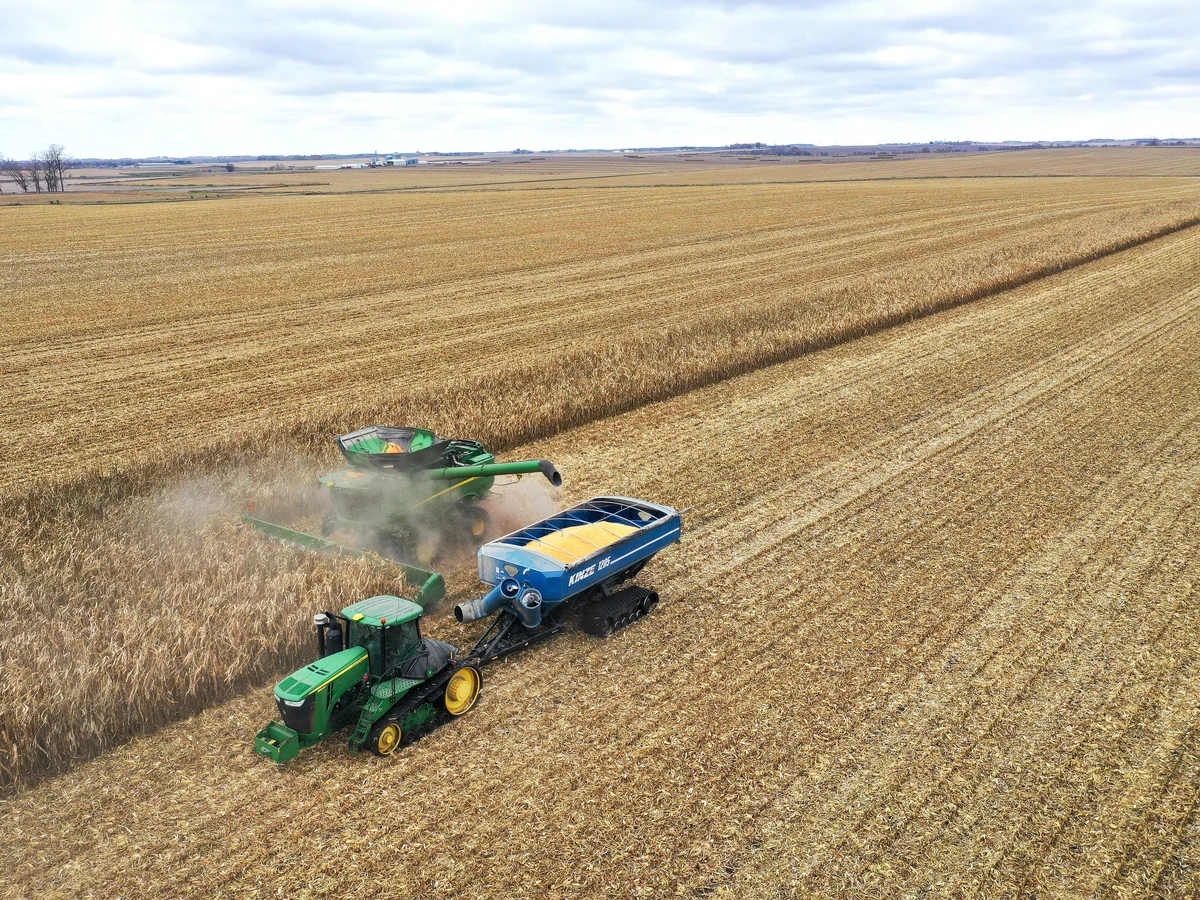
The issue has gained particular attention because agriculture dominates Iowa’s economy and shapes much of its rural landscape. The state leads the nation in corn and pork production while ranking among major soybean-producing states. At the same time, intensive farming contributes significantly to fertilizer use, livestock operations, and agricultural runoff.
Environmental advocates argue that those conditions deserve greater examination when policymakers discuss Iowa’s health challenges. However, researchers caution that cancer has numerous causes, including genetics, lifestyle, environmental exposure, and naturally occurring hazards. Therefore, establishing a direct connection between agricultural practices and specific cancer cases remains complicated.
Still, water quality has become an increasingly important part of the political discussion surrounding public health. Iowa communities have experienced elevated nitrate levels in waterways, particularly near heavily farmed areas. Additionally, concerns about agricultural chemicals and runoff have encouraged renewed debates about environmental protections and farming practices.
Cancer also features prominently in the state’s competitive Senate race between Democrat Josh Turek and Republican Ashley Hinson. Turek has discussed his family’s experiences with cancer while emphasizing healthcare concerns during campaign events. Meanwhile, Hinson has highlighted her work on healthcare policy and her approach to federal legislation.
The governor’s race has likewise brought cancer prevention and environmental policy into sharper political focus. Republican nominee Zach Lahn and Democratic nominee Rob Sand have both proposed strategies addressing Iowa’s cancer concerns. However, their approaches differ considerably regarding agricultural regulation, environmental protection, and government involvement.
Lahn has promoted incentives encouraging farmers to reduce pollution while criticizing major companies over chemical safety concerns. Sand has proposed stronger manure management, expanded radon testing, and additional conservation opportunities for farmers. Meanwhile, other candidates have advocated broader changes to Iowa’s agricultural system and water management policies.
Radon represents another significant concern because Iowa residents face elevated exposure risks from the naturally occurring radioactive gas. Consequently, state lawmakers recently approved requirements involving radon mitigation systems in newly constructed homes. Officials have also pursued measures addressing tobacco and alcohol consumption, both recognized risk factors for cancer.
Water quality remains another major policy concern, although critics argue existing investments do not sufficiently address pollution sources. The state legislature recently approved hundreds of millions of dollars for water-quality initiatives. Nevertheless, environmental advocates say policymakers should focus more directly on preventing contamination before it reaches waterways.
Some Iowa farmers have already begun experimenting with alternative approaches to conventional large-scale agriculture. A small group of farmers recently organized around conservation-focused practices designed to reduce agricultural pollution. They argue that farmers can maintain profitable operations while improving soil health and protecting surrounding water resources.
Other farmers have similarly reduced large-scale operations while encouraging younger producers to diversify their crops. These efforts reflect broader debates about whether Iowa should continue relying heavily on intensive commodity production. At the same time, agricultural leaders warn that major changes could create significant economic challenges for farming communities.
The debate ultimately extends beyond cancer treatment and prevention into questions about Iowa’s economic future. Voters must consider how environmental protections could affect farmers, businesses, healthcare systems, and rural communities. Therefore, Iowa cancer concerns could remain prominent throughout the campaign as candidates present competing solutions.
Although the upcoming election cannot immediately reverse long-term health trends, it could influence future policy priorities. As campaigns continue, voters increasingly expect candidates to address environmental risks alongside healthcare affordability. Consequently, cancer has become a defining public-health issue in Iowa’s 2026 political debate.