
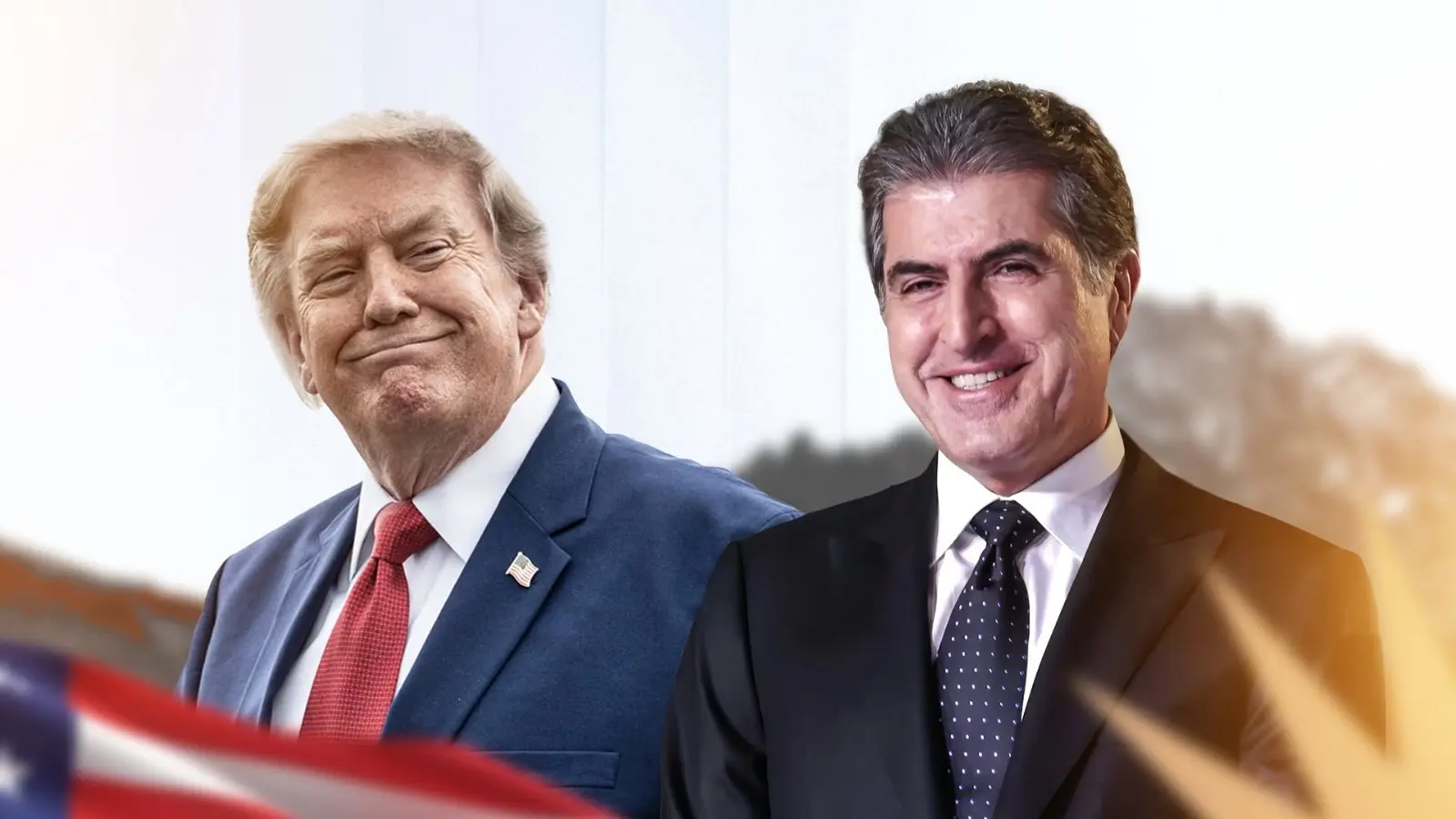
President Nechirvan Barzani reportedly played a key role in helping Washington establish communication with Iran’s Islamic Revolutionary Guard Corps during sensitive negotiations.
According to a report citing informed sources, the Trump administration approached President Nechirvan Barzani for assistance. US officials reportedly worried that Iran’s official negotiating representatives lacked sufficient authority to finalize an agreement. Therefore, Washington sought an alternative communication channel capable of reaching senior IRGC leadership directly.
The reported outreach followed a setback in negotiations during early May, when Iranian representatives reportedly stepped back. Meanwhile, American officials questioned whether senior politicians could make binding decisions on behalf of Tehran. Those concerns reportedly involved Parliament Speaker Mohammed Bagher Ghalibaf and Foreign Minister Abbas Araghchi. Officials reportedly believed the IRGC could ultimately override decisions made by Iran’s negotiating representatives.
The diplomatic situation became more complicated following major political and military developments inside Iran. According to the report, US and Israeli strikes killed numerous senior Iranian political and military figures. Those deaths reportedly included Supreme Leader Ali Khamenei, creating further uncertainty within Iran’s leadership structure. Meanwhile, reports indicated that his successor, Mojtaba Khamenei, had not publicly appeared following the strikes.
Against that backdrop, the Trump administration reportedly adopted an unconventional diplomatic approach toward IRGC leadership. Instead of relying solely on Iran’s formal negotiating team, American officials reportedly turned to President Nechirvan Barzani. His longstanding relationships across the region reportedly made him a suitable intermediary for Washington. Additionally, his knowledge of Iran and fluency in Persian reportedly strengthened his ability to communicate with Iranian officials.
Former US intelligence chief Tulsi Gabbard reportedly contacted President Nechirvan Barzani about establishing the communication channel. According to the report, Gabbard asked him to help reach Ahmad Vahidi, then an IRGC deputy commander. Vahidi reportedly later assumed leadership of the organization following subsequent developments inside Iran.
Gabbard reportedly told President Nechirvan Barzani that President Donald Trump and Vice President JD Vance supported the request. Subsequently, Barzani agreed to assist and contacted individuals within his network connected with the IRGC. The effort eventually created an opportunity for direct communication between Barzani and Vahidi.
According to the reported account, President Nechirvan Barzani requested to speak directly with Vahidi. Soon afterward, an IRGC representative reportedly arrived at Barzani’s office in Erbil. The representative reportedly brought an encrypted telephone to establish a secure communication channel. During their conversation, Vahidi reportedly expressed support for Iran’s negotiating team and emphasized negotiations as the preferred solution.
Following that conversation, President Nechirvan Barzani reportedly contacted Gabbard and conveyed Iran’s position. The Trump administration subsequently reportedly developed another proposal involving confidential discussions in Erbil. Under that proposal, Barzani would reportedly host representatives from Washington and Tehran.
However, Iranian officials reportedly rejected the proposed meeting because of security concerns surrounding Erbil. They reportedly feared Israeli intelligence could operate within the Kurdistan Region and potentially target Iranian representatives. Those concerns reportedly extended to travel between Iran and Erbil.
As a result, the proposed meeting did not take place, according to the report. Nevertheless, the episode reportedly demonstrated Washington’s efforts to communicate with Iran beyond traditional diplomatic channels. The Barzani contact therefore represented an attempted bridge between American officials and influential Iranian decision-makers.
Kurdistan Region authorities have repeatedly rejected claims that Israeli intelligence bases operate within the Region. Officials have also maintained that the Kurdistan Regional Government has no relationship with Israel. Consequently, Erbil officials have disputed suggestions that the Region provides a base for Israeli intelligence operations.
The reported episode highlights the complicated diplomatic environment surrounding negotiations between Washington and Tehran. Moreover, it demonstrates how regional relationships can become important when formal communication channels face uncertainty. For the Kurdistan Region, the reported Barzani contact also highlights President Nechirvan Barzani’s potential role as a regional diplomatic intermediary.

