
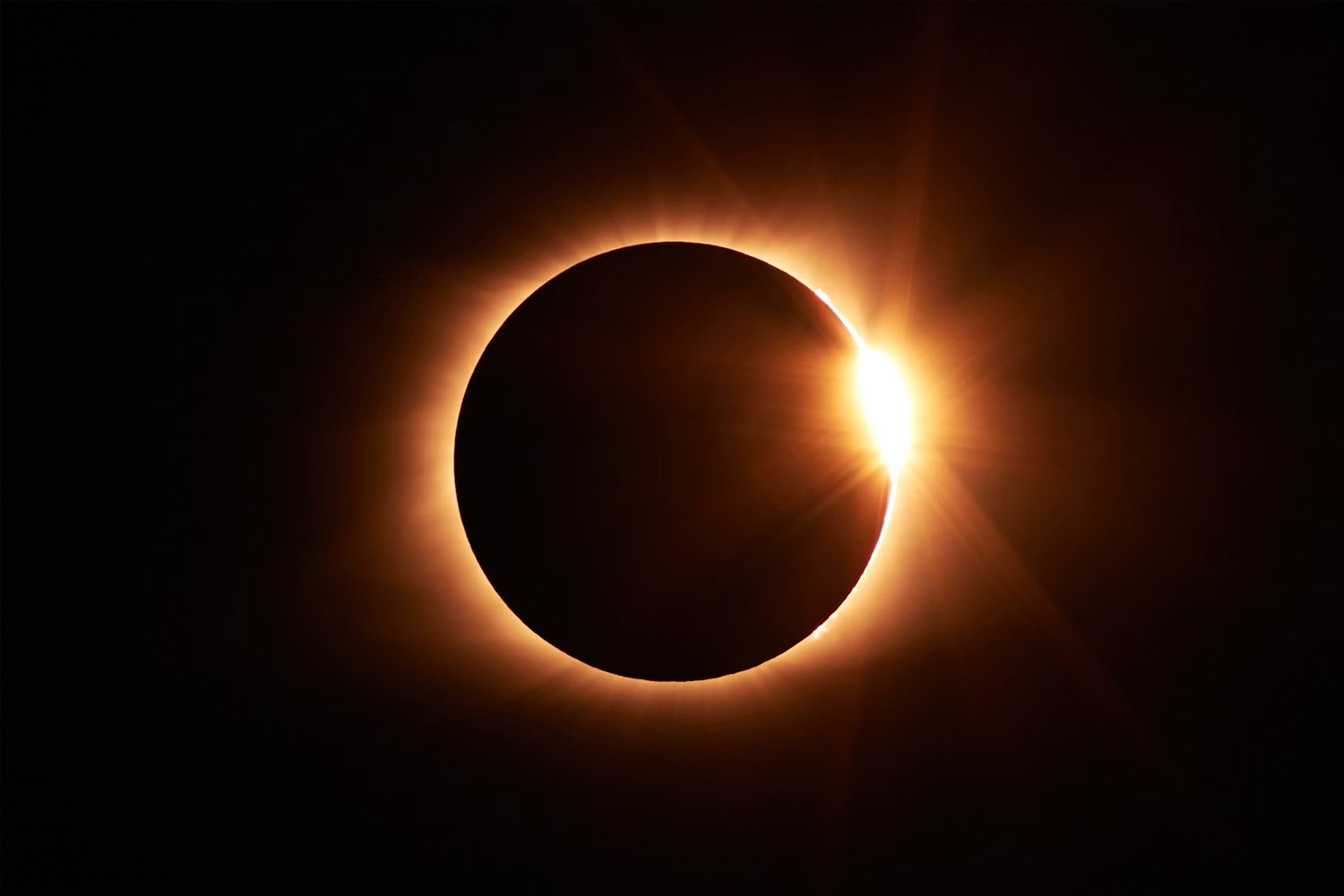
Eclipse safety remains important as skywatchers prepare to observe the 2026 total solar eclipse across visible regions.
The August 12 eclipse created a major viewing opportunity for people interested in rare astronomical events. However, observers needed to consider potential risks before pointing smartphones directly toward the Sun.
Experts have warned that ordinary phone cameras cannot safely handle intense sunlight without appropriate protective equipment. Consequently, attempting to photograph an eclipse without suitable filters could potentially damage sensitive camera components.
The concern comes from the concentrated solar energy entering a camera lens. Smartphone cameras contain small optical components and sensors that manufacturers designed for everyday photography rather than direct solar observation.
During an eclipse, the Sun can still produce intense radiation even when the Moon covers much of its surface. Therefore, viewers should avoid assuming that a partially covered Sun automatically becomes safe to photograph.
The same principle applies to other optical equipment without proper protection. Telescopes, binoculars, and cameras can concentrate sunlight and create serious risks when users point them toward the Sun.
Fortunately, specialized solar filters can provide a safer option for people who want to capture eclipse images. These filters must meet appropriate standards and fit the specific camera or optical equipment correctly.
However, users should avoid improvised materials or ordinary sunglasses because those products do not provide sufficient protection. Instead, proper solar viewing equipment offers a more reliable way to observe the event.
Eye protection remains particularly important during any direct solar observation. Looking at the Sun without suitable protection can expose the eyes to harmful radiation and potentially cause permanent damage.
For direct viewing, certified eclipse glasses provide a safer alternative when users follow the manufacturer’s instructions carefully. In addition, viewers should inspect their glasses for damage before using them during the eclipse.
The relevant safety standard for solar viewing glasses involves ISO 12312-2 certification. This standard identifies products designed specifically for direct observation of the Sun.
Meanwhile, smartphone users who want photographs can consider safer indirect viewing methods. For example, projection techniques can allow observers to view an image without staring directly toward the Sun.
Specialized equipment can also help photographers capture eclipse images while reducing the risk to their camera hardware. Nevertheless, users should follow equipment-specific instructions rather than relying on ordinary photography accessories.
The 2026 eclipse also highlighted how modern smartphones create new opportunities for astronomical photography. At the same time, those capabilities do not eliminate the physical risks associated with concentrated sunlight.
Eclipse safety therefore requires more than simply protecting your eyes during the event. People should also consider the equipment they use when attempting to photograph or observe the Sun.
Furthermore, users should remember that eclipse conditions vary depending on their location. Some regions may experience totality, while others may see only a partial eclipse.
During totality, conditions briefly change when the Moon completely covers the Sun’s bright surface. However, observers should still follow established safety guidance before and after totality.
The safest approach involves using certified solar viewing glasses and properly designed photographic filters. Additionally, people should avoid looking through unfiltered cameras, binoculars, or telescopes at the Sun.
Eclipse safety became especially relevant as millions of people prepared to experience another major astronomical event. With proper preparation, viewers could enjoy the eclipse while reducing unnecessary risks to their eyes and equipment.
Ultimately, smartphones can document remarkable moments, but users should not point them directly toward the Sun without protection. Proper filters and certified viewing equipment provide safer options for capturing or watching future eclipses.
The event also demonstrates why basic preparation matters whenever people observe powerful natural phenomena. Therefore, careful equipment choices can help astronomy enthusiasts enjoy spectacular celestial events without unnecessary hazards.

