
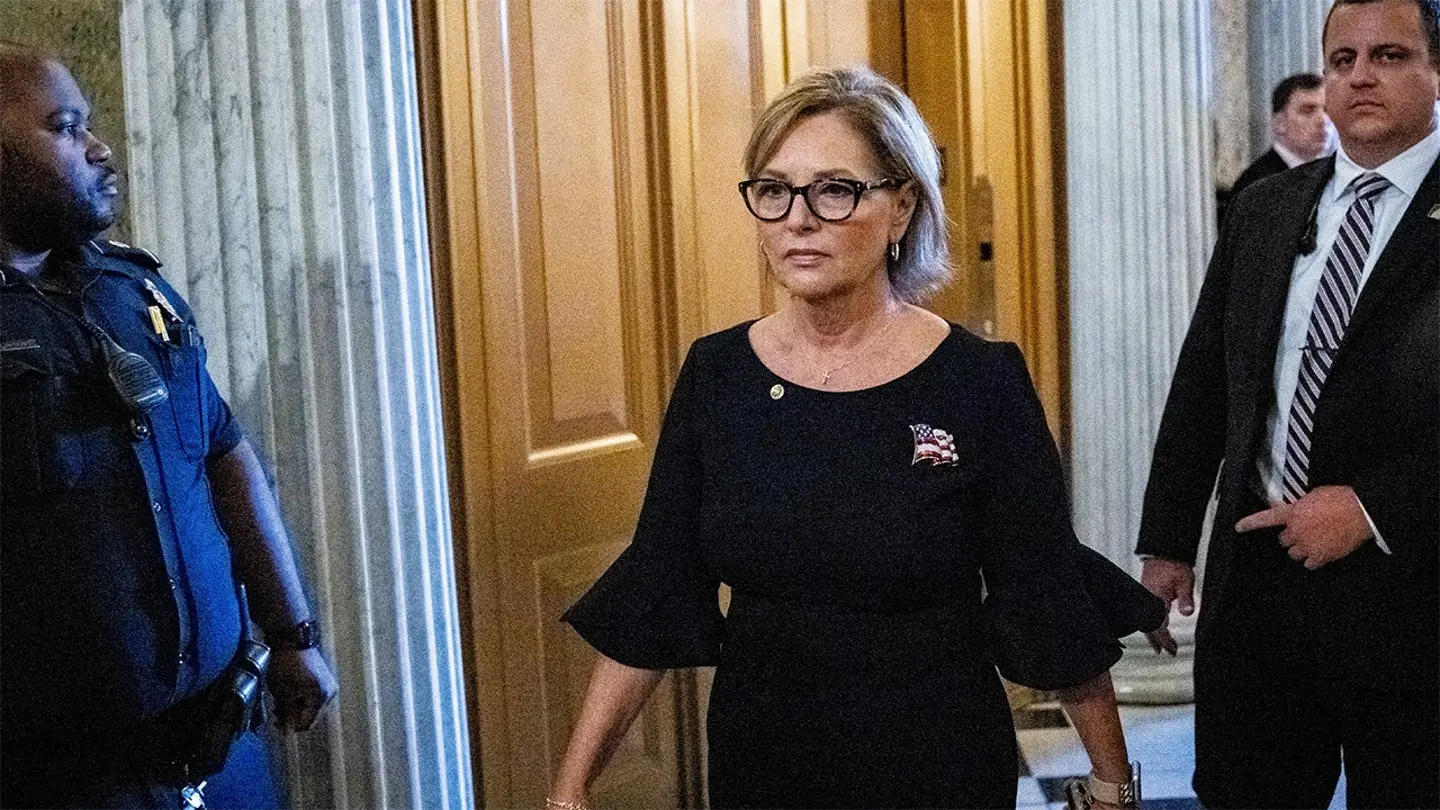
Senate debate became the defining moment in South Carolina’s Republican primary race as candidates presented competing visions for the state’s open U.S. Senate seat. The discussion highlighted agreement on several conservative priorities while revealing important differences over Senate rules, foreign policy, government spending, and domestic development.
Five Republican candidates participated in the televised debate while seeking their party’s nomination for the Senate seat. The vacancy followed the death of longtime Senator Lindsey Graham, prompting a competitive special election. Candidates included Senator Darlene Graham Nordone, Representative Ralph Norman, Representative Russell Fry, businessman Mark Lynch, and former Governor Mark Sanford. Each candidate outlined priorities while attempting to distinguish their campaign from fellow Republicans.
One of the evening’s most notable exchanges centered on the Senate filibuster. Nordone, who currently serves through an appointment and received President Donald Trump’s endorsement, supported eliminating the procedural rule. She argued that ending the filibuster would allow Congress to advance legislation more efficiently. Her position marked a clear departure from the views previously expressed by her late brother.
Several candidates emphasized the importance of advancing Republican legislative priorities while discussing Senate procedures. Others defended institutional safeguards that encourage bipartisan cooperation before major legislation reaches final approval. Consequently, the debate demonstrated differing opinions regarding how the Senate should balance efficiency with long-standing procedural traditions.
Foreign policy also generated significant discussion during the event. Former Governor Mark Sanford argued that Congress should exercise its constitutional authority regarding declarations of war. He maintained that elected lawmakers should make decisions involving prolonged military conflicts. Sanford stressed the importance of congressional oversight whenever the nation considers extended military engagement.
Other candidates expressed support for the administration’s approach toward Iran while emphasizing national security concerns. Representative Russell Fry said he opposed deploying American ground troops into another overseas conflict. However, he supported continued efforts to limit Iran’s military capabilities through other available strategies. His comments reflected broader Republican discussions surrounding foreign policy and military involvement.
Senate debate also included discussion about expanding data centers across South Carolina. Businessman Mark Lynch argued that rapid development has created concerns for nearby communities. He cited issues involving land use, water consumption, electrical demand, and neighborhood quality of life. Additionally, he urged policymakers to balance economic development with the interests of local residents.
The debate concluded with a personal exchange involving Lynch and Nordone. During his remarks, Lynch criticized aspects of Lindsey Graham’s Senate record on several policy issues. Nordone responded by defending her late brother’s legacy while expressing disappointment with repeated attacks against him. Lynch did not receive an opportunity to answer before the event concluded.
The Republican nominee will face Democratic candidate Annie Andrews in the November general election. Political analysts continue to view the Republican Party as the favorite in the statewide contest. Nevertheless, the upcoming primary remains highly significant because it will likely determine the state’s next long-term senator. Senate debate provided voters with their clearest comparison of the candidates before ballots are cast.

