
The Fusion Magnets Grant gives Thea Energy a significant financial boost as the company expands advanced manufacturing for future fusion reactors. The federal award provides $20 million to support production of high-temperature superconducting magnets, which remain essential components for magnetic fusion energy systems.
The funding will help the company strengthen manufacturing capabilities while improving production methods for its specialized magnet technology. Developing advanced hardware requires substantial investment, so the latest award reduces financial pressure during an important stage of growth.
Fusion companies continue searching for practical ways to generate clean energy by recreating the same reactions that power the sun. Many developers rely on magnetic confinement systems that use powerful magnetic fields to control extremely hot plasma throughout the fusion process.
Those magnetic fields compress and stabilize plasma while temperatures continue rising until atomic nuclei eventually combine and release large amounts of energy. Engineers consider this process one of the leading approaches toward producing commercial fusion electricity in future decades.
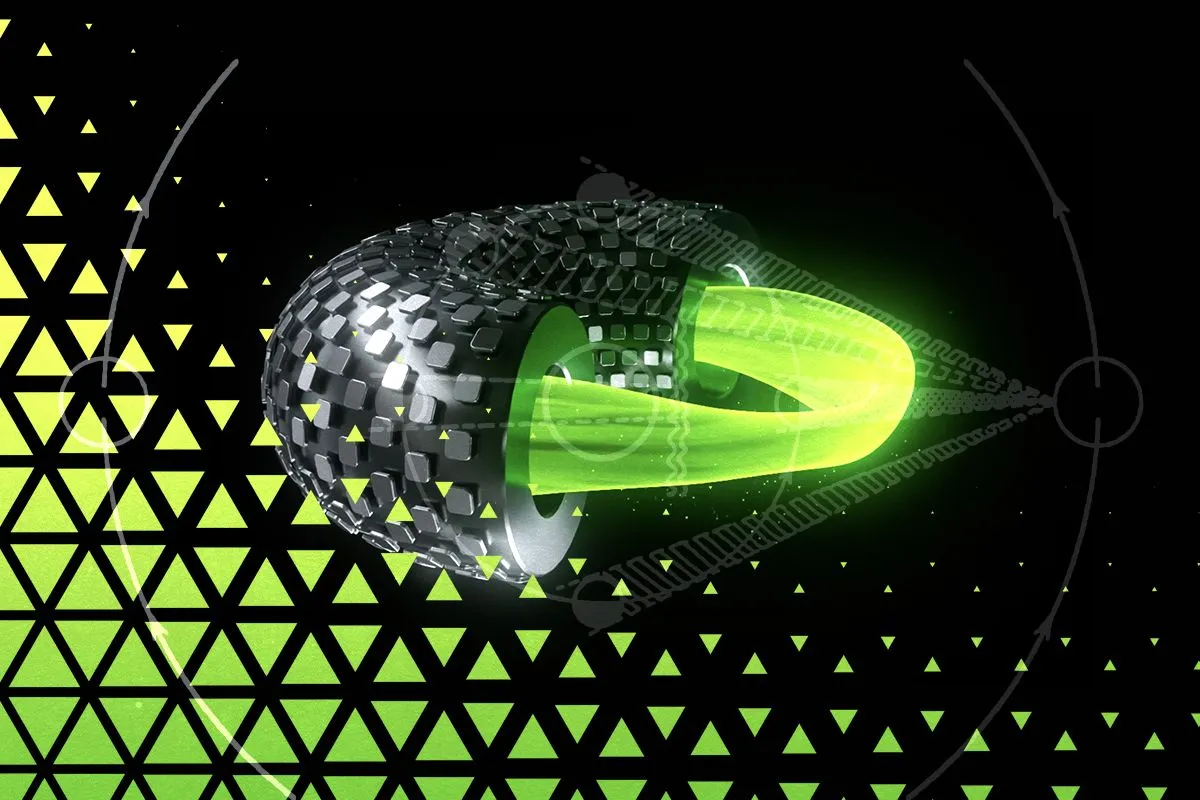
Thea Energy focuses on a reactor design known as a stellarator, which features a unique structure that improves plasma stability. Unlike several competing reactor concepts, the stellarator naturally maintains plasma without depending heavily on continuous external control systems.
Traditional stellarator designs often require highly customized magnets that match the reactor’s complex twisted geometry. Consequently, manufacturers usually face higher production costs, longer construction schedules, and additional engineering challenges throughout development.
The company instead designed a simplified approach that reduces the number of unique magnet configurations required inside the reactor. Engineers created twelve primary magnets using only four different templates, making production more efficient and easier to scale.
Additionally, more than three hundred smaller magnets share the same design, allowing standardized manufacturing across the entire system. This strategy reduces complexity while helping production teams maintain consistency throughout the manufacturing process.
The smaller magnets also operate through software controls that fine-tune plasma behavior during reactor operation. As a result, engineers can tolerate slightly broader construction variations without sacrificing overall system performance or operational reliability.
Company leaders believe this combination of standardized hardware and software control could lower manufacturing costs considerably over time. Lower production expenses remain essential because commercial fusion facilities require many advanced components before reaching full-scale operation.
The Fusion Magnets Grant also strengthens Thea Energy’s position within the increasingly competitive fusion technology industry. Investors continue supporting companies that demonstrate practical engineering solutions capable of reducing costs while improving long-term scalability.
Earlier this year, the company secured $100 million in additional funding, significantly expanding financial resources for research and development. That investment followed a previous $20 million Series A financing round completed during 2024.
The combined financial support allows engineers to continue refining reactor technology while expanding manufacturing capabilities for future commercial deployment. Furthermore, stronger funding improves the company’s ability to recruit talent and accelerate technical development.
Many fusion developers continue targeting commercial power generation during the 2040s despite the technical challenges that remain ahead. Building reliable reactors requires continued advances in magnet technology, materials science, software integration, and manufacturing efficiency.
The Fusion Magnets Grant reflects growing federal support for technologies that could eventually transform global electricity generation. Although commercial fusion remains under development, companies continue making steady progress through engineering improvements and strategic investments.
Industry observers will closely monitor how Thea Energy uses the latest funding to advance magnet production and prepare future reactor systems. Continued innovation in manufacturing could play an important role in making fusion energy more practical, scalable, and commercially competitive during the coming decades.

