
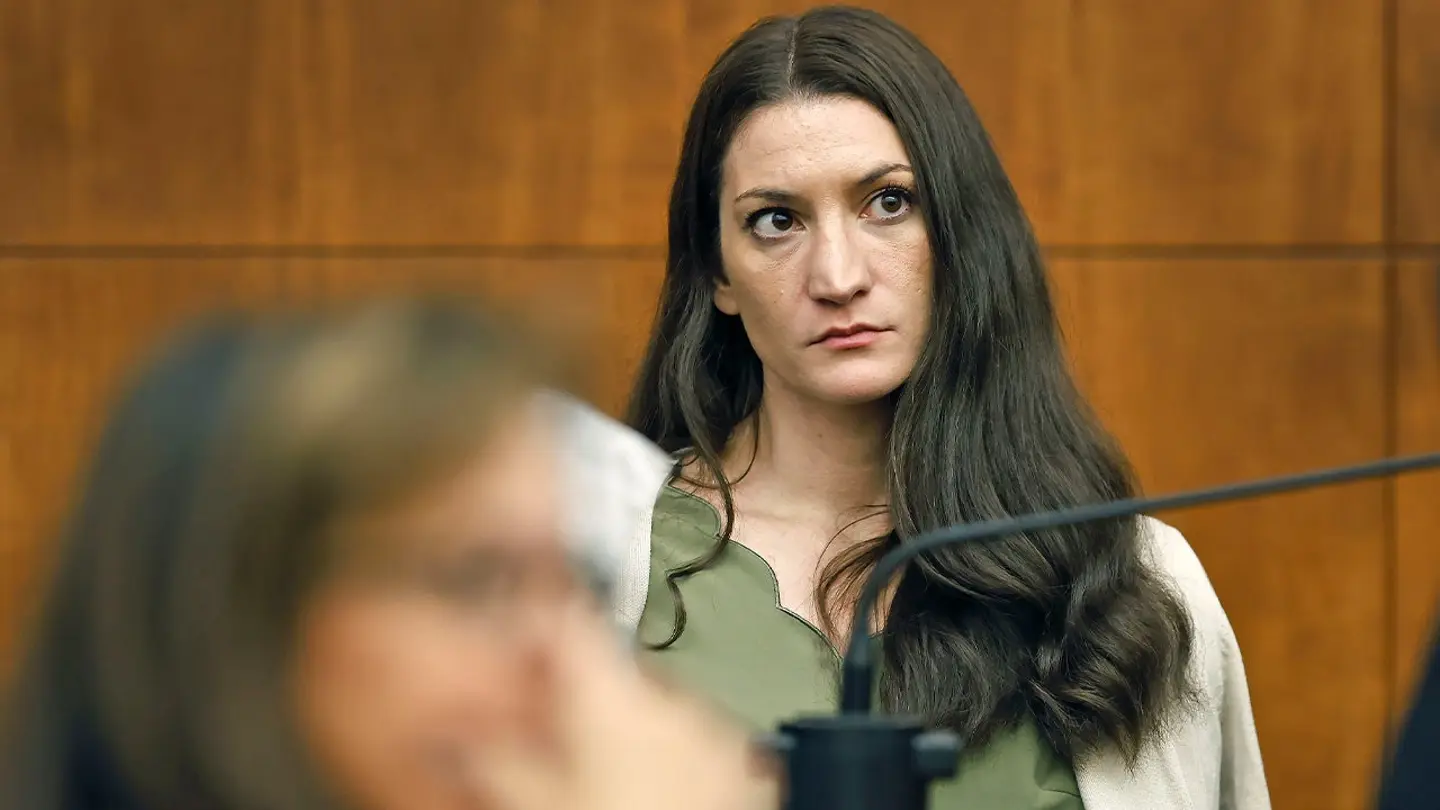
Lindsay Clancy trial moved closer to opening statements after a Massachusetts court resolved several evidentiary disputes. The case centers on whether the former labor and delivery nurse bears criminal responsibility. Prosecutors and defense attorneys continue preparing sharply different arguments. Meanwhile, the court addressed several issues involving sensitive evidence. The Lindsay Clancy trial now enters its next phase after jury selection concluded.
A jury of 12 women and six men has been selected in Plymouth Superior Court. Consequently, the criminal trial can officially begin. The proceedings will examine Clancy’s mental condition. They will focus on her condition during the children’s deaths. However, neither side disputes the children died inside the family home. The defense argues severe postpartum psychosis prevented Clancy from understanding her actions.
Prosecutors plan to argue Clancy deliberately planned and carried out the killings. Therefore, jurors will hear competing medical opinions and investigative evidence. The Lindsay Clancy trial will likely depend on expert testimony about her psychological condition. Medical specialists from both sides are expected to present conflicting conclusions.
Clancy faces three murder charges and three strangulation charges. The victims were Cora, 5, Dawson, 3, and infant Callan. Callan was eight months old. She has pleaded not guilty to every criminal charge. Nevertheless, her legal team does not dispute she caused the children’s deaths.
Defense attorneys argue Clancy repeatedly sought professional medical treatment before the tragedy. Court filings say she struggled with depression and insomnia. They also describe suicidal thoughts and disturbing voices. Doctors admitted her to a psychiatric hospital weeks before the incident. Medical providers also prescribed several medications while attempting to stabilize her condition.
The defense further claims healthcare providers failed to diagnose her deteriorating psychiatric condition properly. Separate civil lawsuits also accuse medical professionals of providing inadequate treatment and monitoring. However, those lawsuits remain separate from the criminal proceedings.
Investigators allege Clancy used exercise bands to strangle her three young children. Authorities also allege she acted after her husband left the home. He had gone to collect takeout food and a pharmacy order. Investigators further state she jumped from a second-story window afterward. The fall left her permanently paralyzed. She now uses a wheelchair during court appearances.
Before opening statements, attorneys debated whether media organizations could distribute sensitive trial evidence publicly. Patrick Clancy requested restrictions on publishing his emergency 911 call. He also asked the court to restrict crime scene photographs. He argued widespread distribution would create additional emotional harm for his family. His attorney emphasized jurors would still review the evidence during trial.
The defense supported those restrictions and criticized emotionally charged evidence presentations. Prosecutors responded the evidence remains necessary to explain the alleged crimes. Ultimately, the judge prohibited distributing the 911 recording and autopsy photographs publicly. However, journalists may still describe courtroom testimony and admitted evidence.
The courtroom discussion became heated as both legal teams defended their positions. Nevertheless, the judge reminded attorneys that admissibility was not the immediate issue. Instead, the dispute focused on public distribution of sensitive evidence. Opening statements will now begin before testimony from investigators, relatives, medical experts, and other witnesses.
The Lindsay Clancy trial remains closely watched. The case combines serious criminal allegations with complex mental health questions. Jurors will decide whether prosecutors proved criminal responsibility. They must apply the beyond a reasonable doubt legal standard. Jurors must also determine whether severe postpartum psychosis prevented criminal accountability. Their verdict will conclude one of Massachusetts’ most closely watched criminal trials.

