
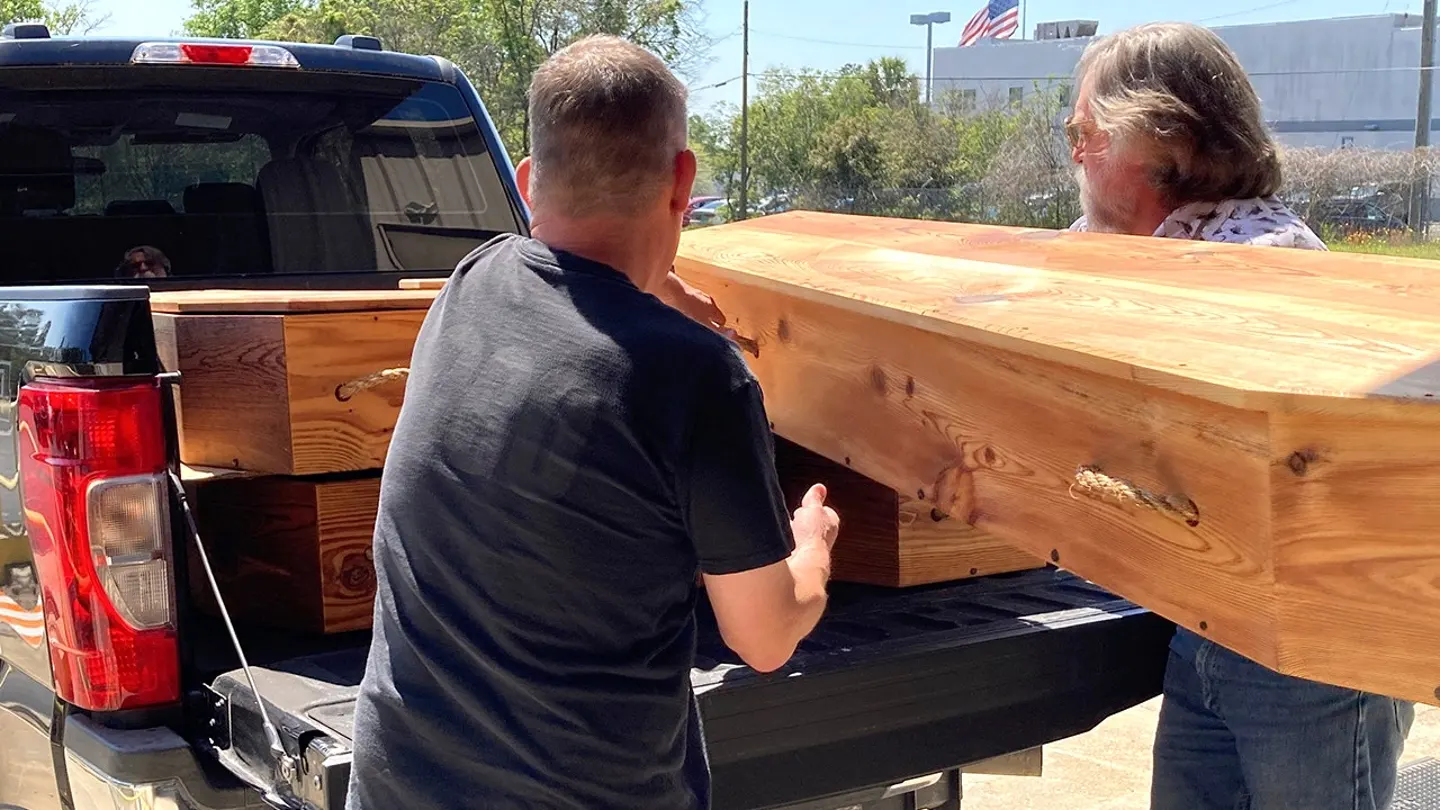
DNA Identification has helped researchers solve the centuries-old mystery surrounding a teenage Revolutionary War soldier buried in an unmarked grave. Nearly 246 years after his death, advanced forensic techniques revealed the young serviceman’s identity, providing historians with valuable new insight into one of America’s most significant conflicts.
Researchers announced that forensic genetic genealogy and advanced DNA analysis identified the remains as Private John Pumphrey. The young Continental Army soldier died during the Battle of Camden in South Carolina on August 16, 1780. Consequently, experts believe this achievement marks an important milestone in historical and forensic research involving Revolutionary War casualties.
The remains came to light during an archaeological excavation conducted at the Battle of Camden site in 2022. Investigators carefully examined the burial before collecting a small skull sample for laboratory testing. Subsequently, scientists extracted usable genetic material that allowed researchers to compare historical family connections and establish the soldier’s identity.
According to historical records, Pumphrey enlisted in the Continental Army sometime during 1777 while still in his early teenage years. Experts estimate he joined military service between the ages of 13 and 15 before dying at approximately 16 to 18 years old. Therefore, he ranks among the youngest known soldiers to fight in the Continental Army during the Revolutionary War.
The Battle of Camden represented one of the most devastating defeats suffered by American forces during the conflict. Hundreds of Continental Army soldiers lost their lives during the engagement, while many others disappeared into unmarked graves across the battlefield. As a result, identifying individual soldiers has remained an enormous challenge for historians over several generations.
Initially, researchers struggled to understand why someone from Pumphrey’s background enlisted at such a young age. Anthropological analysis confirmed the remains belonged to a teenager, yet historical assumptions about his family created additional questions. Nevertheless, further investigation gradually revealed a more complete picture of his personal circumstances.
Genealogical research connected Pumphrey to several well-established families in Anne Arundel County, Maryland. His relatives held prominent positions through land ownership, construction businesses and lumber operations. Consequently, historians originally believed military enlistment seemed unlikely for someone from such a respected household.
However, additional historical records revealed significant family hardships following the deaths of both of Pumphrey’s parents. Researchers also discovered legal and financial issues involving his father’s estate during that difficult period. Furthermore, evidence showed the family lived closer to Baltimore than historians previously believed, making enlistment there considerably more understandable.
These newly uncovered details transformed researchers’ understanding of the teenager’s decision to join the Continental Army. Rather than viewing his enlistment as unusual, historians now see a clearer connection between his personal circumstances and military service. Accordingly, the discovery provides important context that historical documents alone never fully explained.
DNA Identification also demonstrated how modern science continues expanding knowledge about events that occurred centuries ago. By combining forensic genetics with genealogy and archival research, investigators reconstructed a life story previously hidden beneath an anonymous battlefield grave. Moreover, experts believe similar methods could identify additional unknown Revolutionary War soldiers in future investigations.
Researchers remain optimistic about continuing this work if sufficient funding becomes available for additional testing and genealogical analysis. They believe many unidentified soldiers buried at Camden could eventually receive names and documented family histories through the same scientific approach. Therefore, future discoveries may continue reshaping historians’ understanding of the famous battlefield.
DNA Identification has not only restored Private John Pumphrey’s identity but also honored the sacrifice of a teenager who served during America’s fight for independence. Although nearly two and a half centuries passed before researchers solved the mystery, modern forensic science finally reunited his remains with the history that had long remained unknown.

