
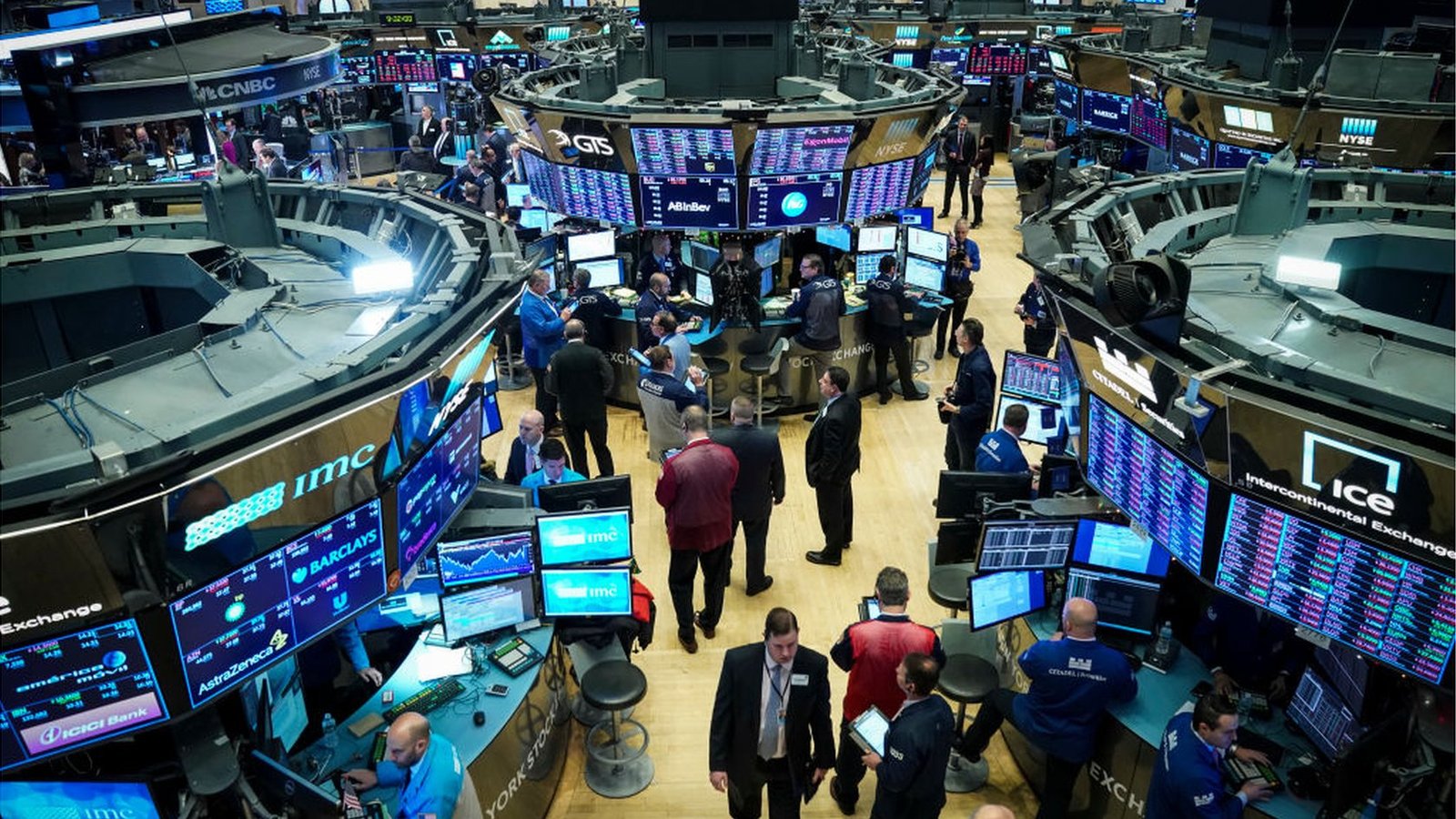
Market Pressure increased as U.S. stock futures moved lower while investors followed developments involving Iran and Federal Reserve policy. Traders remained cautious as geopolitical risks and interest rate expectations influenced market sentiment.
Dow futures declined slightly, while contracts linked to the S&P 500 and Nasdaq also showed weakness. The movement reflected investor concerns before the latest economic updates and central bank signals.
Meanwhile, major indexes experienced losses during the previous trading session. The Dow dropped more than 100 points after briefly reaching a new intraday record. Additionally, the S&P 500 declined, while technology stocks pushed the Nasdaq lower.
Furthermore, semiconductor companies faced selling pressure during the session. Investors reduced exposure to some technology shares as they evaluated economic risks and global uncertainty.
The latest market concerns followed increased tensions between the United States and Iran. Reports of military action involving commercial vessels in the Strait of Hormuz created new worries about regional stability.
As a result, energy markets reacted quickly to the developments. Oil prices increased as traders considered possible disruptions to global supplies.
West Texas Intermediate crude prices moved above $72 per barrel. Meanwhile, Brent crude prices also gained as investors monitored potential impacts on international energy markets.
Additionally, changes involving Iran’s oil exports increased uncertainty among traders. Market participants continued evaluating how supply restrictions could influence inflation and economic growth.
At the same time, investors watched the Federal Reserve for guidance. The central bank’s upcoming meeting details could provide more information about future interest rate decisions.
Moreover, traders are looking for signals about policymakers’ views on inflation and economic conditions. The information could affect expectations for borrowing costs and market performance.
The technology sector also received attention after SpaceX shares moved below their initial public offering price. The decline followed changes in investor activity after the company entered a broader market environment.
However, several financial institutions remain optimistic about SpaceX’s long-term outlook. Analysts continue providing positive forecasts despite recent stock movement.
Overall, Market Pressure reflects the combination of geopolitical concerns, energy market changes, and monetary policy uncertainty. Investors are balancing potential risks while searching for signs of future economic direction.
Furthermore, market participants expect continued volatility as global events develop. Oil prices, Federal Reserve decisions, and international conflicts will likely remain important factors.
The current environment shows how quickly financial markets can respond to major events. Therefore, investors continue monitoring economic reports and geopolitical developments closely.
Market Pressure remains a key factor influencing trading decisions. As uncertainty continues, markets may experience additional movements depending on upcoming policy signals and global events.

