
Robotic Exoskeleton technology helped one hiker complete a challenging Grand Canyon journey without relying on a walking cane. The wearable device from Hypershell provided additional support during thousands of steps across difficult terrain. The experience showed how emerging mobility technology may assist people during demanding outdoor activities.
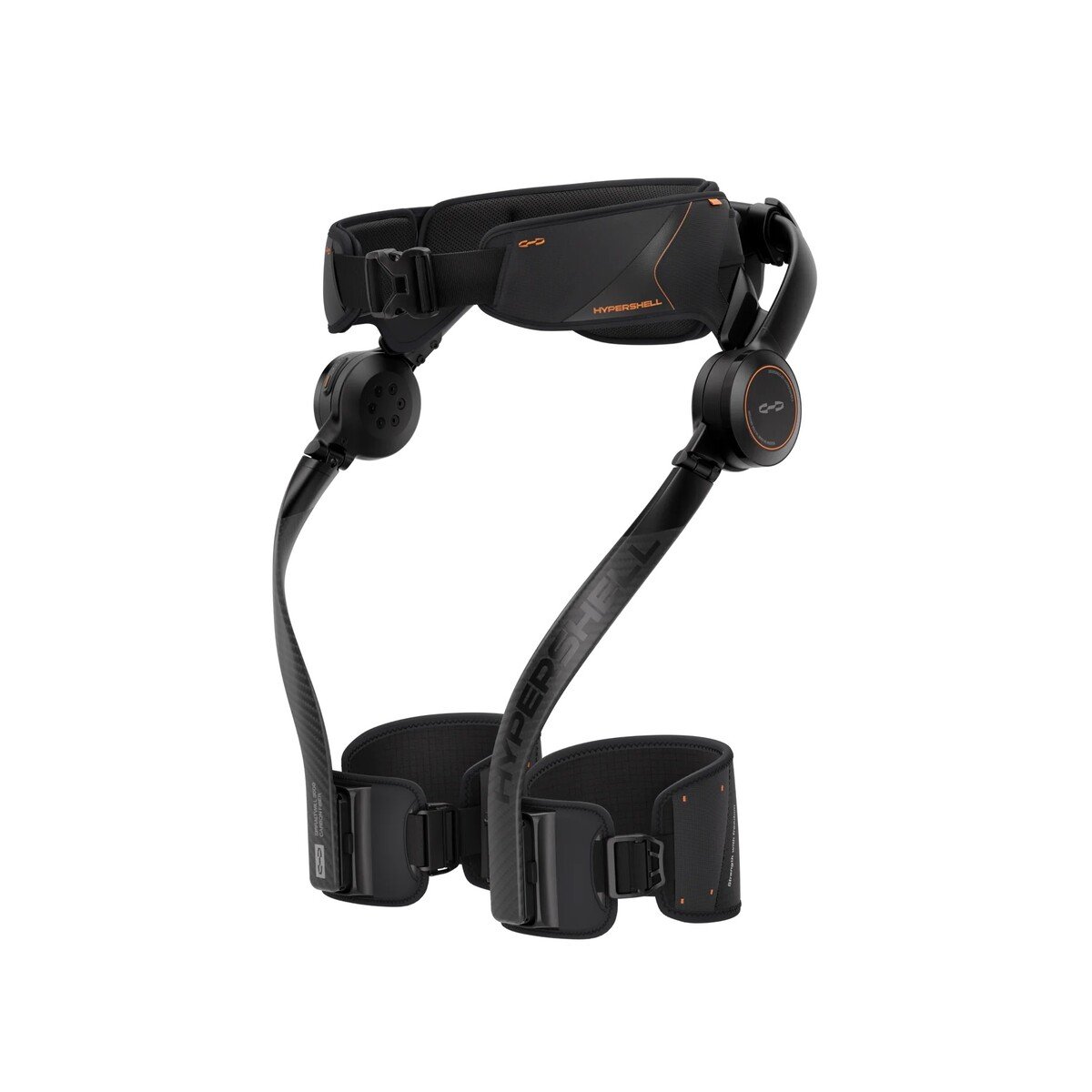
The test involved the Hypershell X Ultra S, a lightweight wearable machine designed to support leg movement. The device attaches around the waist and thighs while using motors to assist walking motions. Therefore, users can reduce fatigue and continue physical activities for longer periods.
During the Grand Canyon trip, the user walked approximately 12,000 steps while testing the technology. Previously, long walks beyond a certain distance required assistance from a cane. However, the wearable system allowed the hiker to complete the journey without using that support tool.
The device does not transform users into athletes or provide unlimited strength. Instead, it works alongside existing physical abilities to improve endurance and reduce strain. Consequently, the technology focuses on extending activity levels rather than replacing natural human movement.
The Hypershell X Ultra S includes a battery system positioned near the lower back. Additionally, motors located near the hips connect to adjustable supports attached along the legs. These components work together to provide assistance when users lift and move their legs.
Furthermore, the exoskeleton offers several operating modes through a connected mobile application. Users can select different assistance levels depending on their activity. The system also includes an automatic adjustment feature that recognizes movements such as walking, cycling, and climbing stairs.
The hiking test also compared physical effort between the user and a younger athlete during the Grand Canyon climb. Although the wearable device helped with movement, it did not completely remove the physical challenge. Recovery time remained noticeably different between the two hikers after completing the demanding route.
Nevertheless, the user reported an important benefit after finishing the activity. Despite completing a longer walk than usual, the hiker experienced fewer back problems the following day. This result suggested that robotic support may provide advantages beyond simply increasing distance.
The Robotic Exoskeleton category continues developing as companies explore ways to improve human mobility. These devices could eventually support outdoor enthusiasts, workers, and people seeking additional physical assistance. However, experts emphasize that users still need basic fitness and preparation.
Overall, the Hypershell X Ultra S demonstrated both the possibilities and limitations of modern wearable technology. The device offers useful support for endurance-based activities, but it does not replace exercise or physical training. Instead, it serves as a tool that helps users achieve more during challenging movements.
As wearable robotics continue improving, future models may become lighter, smarter, and more accessible. Therefore, exoskeleton technology could play a larger role in helping people remain active across different stages of life.

