The upcoming Michigan Senate Primary has become one of the most closely watched Democratic contests of the 2026 election cycle. Recent progressive victories in several congressional primaries shifted national attention to Michigan. Two candidates representing different wings of the Democratic Party will now compete for the nomination.
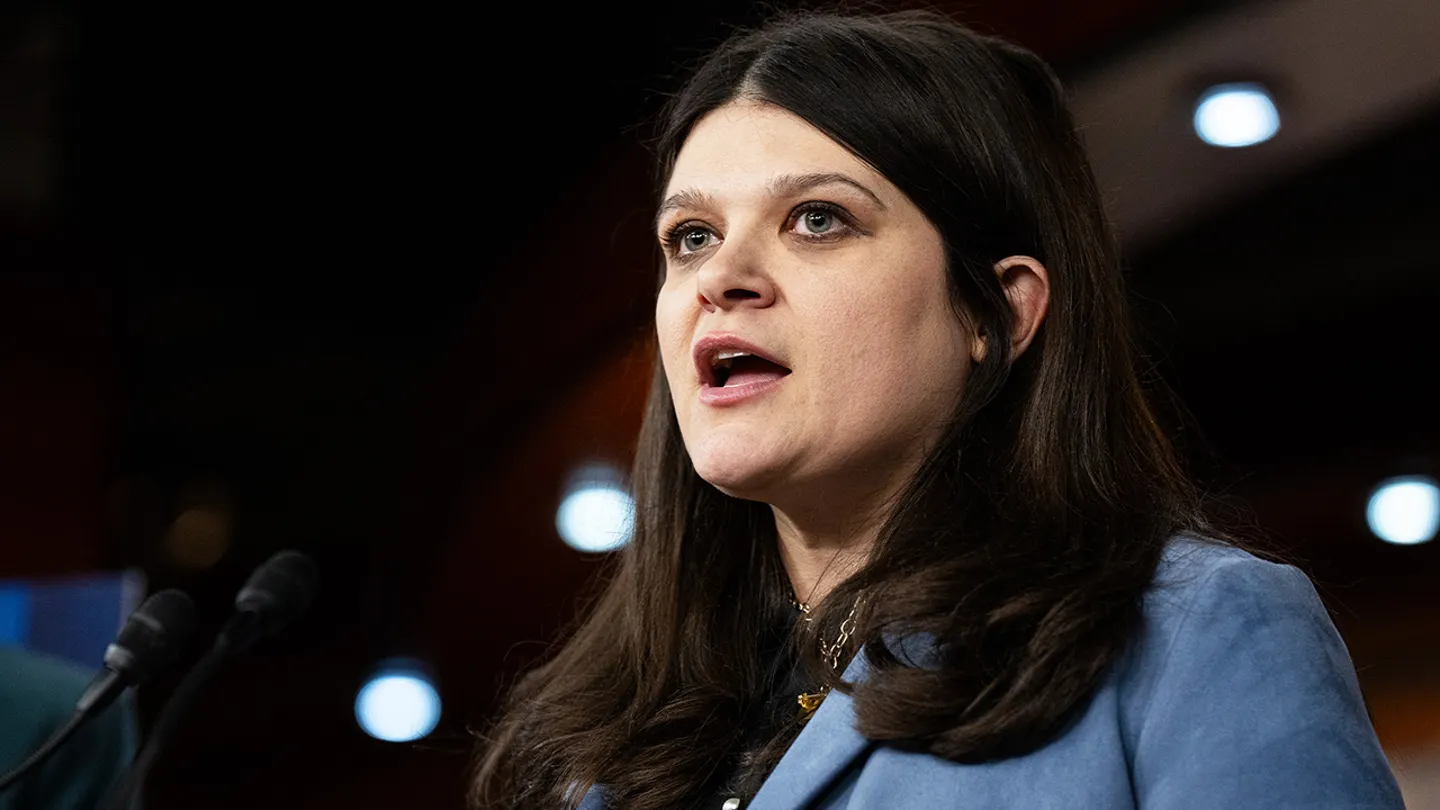
Representative Haley Stevens will face former Wayne County Health Department Director Abdul El-Sayed in the Democratic primary on August 4. Stevens has secured support from Senate Democratic leadership and other establishment figures. El-Sayed has earned endorsements from Senator Bernie Sanders and Representative Alexandria Ocasio-Cortez.
The winner will advance to the November general election against former Representative Mike Rogers. Rogers is widely expected to secure the Republican nomination. The successful candidate will compete for the Senate seat being vacated by retiring Senator Gary Peters.
Political analysts continue to classify the Michigan race as highly competitive. Republicans view the seat as a major pickup opportunity. Democrats consider it essential to maintaining a path toward a Senate majority.
The primary became a two-candidate contest after Michigan State Senator Mallory McMorrow suspended her campaign. Although she ended her candidacy, McMorrow pledged to support the eventual Democratic nominee in the general election.
McMorrow thanked campaign staff, volunteers, and supporters for building a campaign funded primarily through small-dollar donations. She also emphasized that suspending her campaign did not mean ending her public service or political involvement.
Her campaign concluded after fundraising and polling numbers failed to match those of Stevens and El-Sayed. McMorrow positioned herself as a progressive candidate between the ideological approaches represented by her remaining rivals.
Following McMorrow’s announcement, Stevens praised her as an important advocate for Michigan families. Stevens also argued that she offers Democrats the strongest opportunity to win both the primary and the general election.
Stevens said her campaign remains focused on lowering costs, protecting manufacturing jobs, and addressing what she described as abuses of presidential power. Her campaign has also received millions of dollars in super PAC support. Some of that support came from organizations aligned with Israel.
El-Sayed responded by praising McMorrow’s willingness to challenge what he described as a political system influenced by powerful interests. While acknowledging policy differences, he also expressed respect for her commitment to public service.
He criticized Democratic Party insiders for spending millions to influence the primary election. El-Sayed also invited McMorrow’s supporters to join his campaign. His platform emphasizes reducing the influence of money in politics and expanding Medicare for All.
An epidemiologist by profession, El-Sayed previously ran unsuccessfully for governor in 2018. His campaign also supports abolishing Immigration and Customs Enforcement. He has criticized Israel’s military actions in Gaza and rejected political action committee donations.
Supporters of Stevens argue she presents the party’s strongest general election candidate. Some Democratic leaders believe El-Sayed’s previous statements and progressive platform could create challenges in a statewide election.
Political observers have also pointed to Michigan’s sizable Arab American population. They said issues involving the Middle East carry particular importance in the state’s political landscape. They also cautioned against drawing broad national conclusions from the primary alone because local issues and individual candidates remain significant factors.
The Michigan Senate Primary will determine which Democratic candidate advances to one of the country’s most competitive Senate elections. The outcome of the Michigan Senate Primary could shape both Michigan’s political future and the party’s strategy heading into the November election.