Trump Accounts received major private support after Michael and Susan Dell announced a new investment initiative for eligible American children. The announcement coincided with Independence Day and marked the launch of a public-private effort promoting long-term financial participation. The program aims to help millions of children begin building financial assets from an early age.
Michael Dell announced that he and Susan Dell will contribute $250 for each eligible child enrolled. The contribution applies to the first 25 million qualifying children who join the program. According to the announcement, the funding complements a government initiative supporting long-term investment opportunities for young Americans. As a result, participating families could receive additional financial support during a child’s early years.
The program provides eligible children with a government-funded investment account after successful enrollment. Children born between January 1, 2025, and December 31, 2028, qualify if they meet program requirements. Parents or legal guardians manage the accounts until participating children reach 18 years of age. This structure allows families to oversee investments throughout childhood.
Families may also make optional annual deposits into the investment accounts. These contributions can increase each account’s long-term value through investments in American companies. Therefore, the program encourages families to build savings steadily over many years. Supporters believe early investing can strengthen future financial security.
Michael Dell described the initiative as a way to expand financial participation among younger generations. He said the program gives children an early connection to the American economy. It also supports future goals including higher education, homeownership, entrepreneurship, and long-term wealth creation. The announcement emphasized long-term investing instead of short-term financial assistance.
Trump Accounts also launched with financial literacy resources for participating families. The accompanying mobile application includes educational modules covering investing, saving, and personal finance basics. These resources encourage responsible financial decisions throughout childhood and early adulthood. Program organizers believe financial education remains an important part of long-term wealth building.
Government officials described the initiative as a long-term investment strategy for future generations. Supporters believe early investing could increase household wealth over time. They also expect greater participation in financial markets through the program. Many believe consistent contributions can create meaningful financial opportunities later in life.
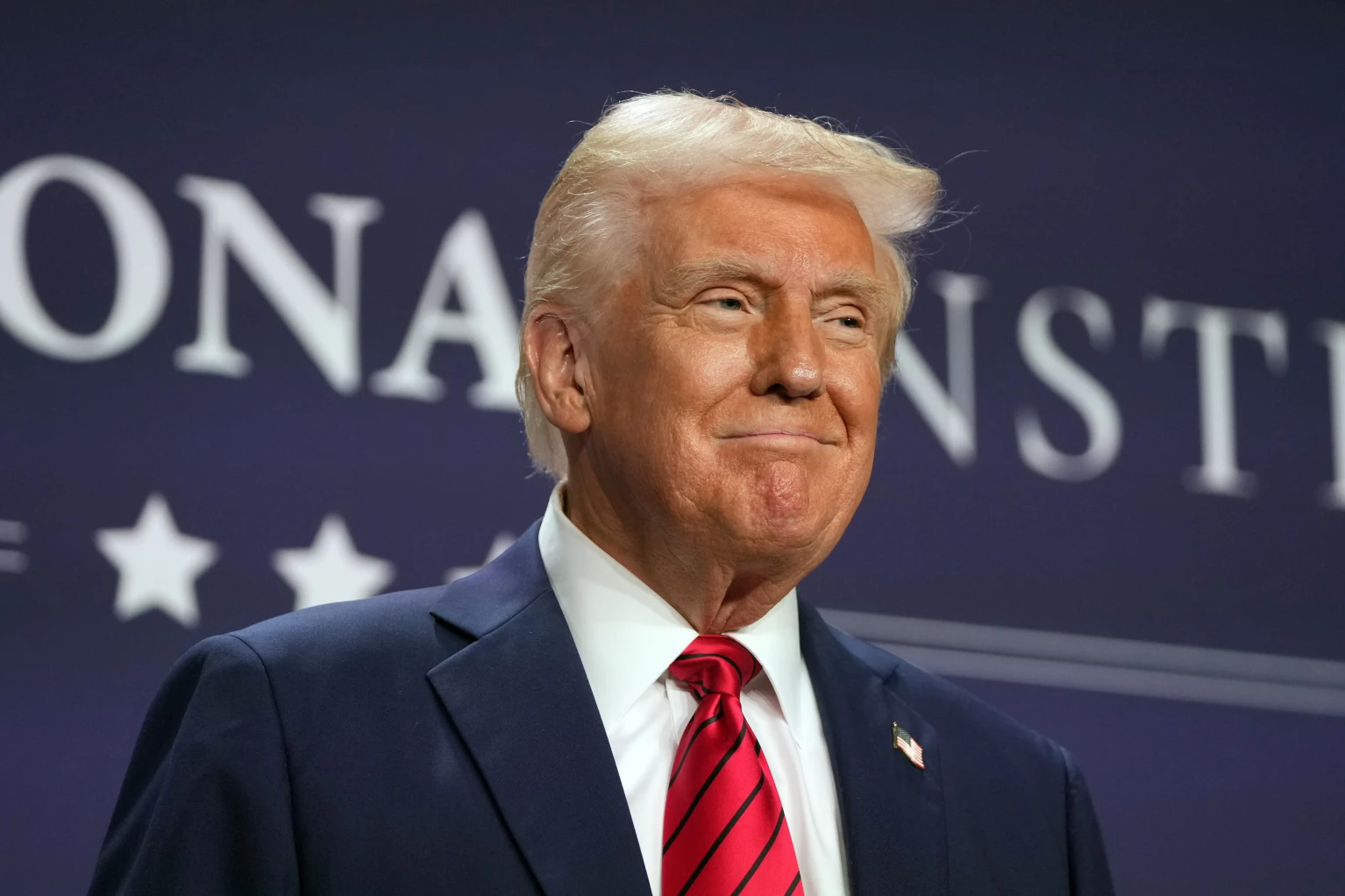
President Donald Trump described the program as a way to expand financial ownership among young Americans. He projected the initiative could generate substantial wealth over future decades. Supporters believe the accounts could help families prepare for future educational, housing, and business expenses. The program seeks to encourage broader participation in long-term investing.
The Dell family’s financial commitment adds significant private-sector support to the national initiative. Michael Dell previously pledged substantial funding for the program. Consequently, the partnership combines government policy with private philanthropy to support long-term financial development. Organizers believe collaboration can strengthen the program’s overall impact.
Trump Accounts continue attracting attention from families, business leaders, and policymakers. The initiative combines government funding, optional family contributions, educational resources, and private donations. Together, these features create a unique investment framework for eligible participants. As enrollment begins, the program aims to promote financial literacy, long-term investing, and broader economic participation for millions of American children.