
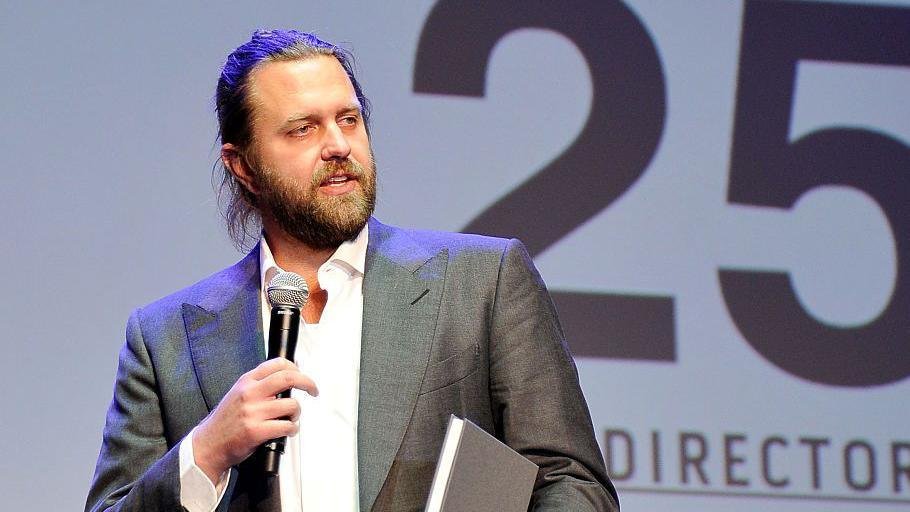
Carl Rinsch Sentencing concluded with a federal prison term after a court found the filmmaker guilty of defrauding Netflix of funds intended for an unfinished science fiction series. Prosecutors said Rinsch diverted millions of dollars from production expenses to personal spending. Those actions resulted in convictions for wire fraud and related charges.
A federal judge sentenced Carl Rinsch to two and a half years in prison after a jury convicted him in December on federal wire fraud and additional criminal charges. The filmmaker, best known for directing the 2013 film 47 Ronin, must also pay approximately $11 million in restitution connected to the case.
According to prosecutors and trial evidence, Netflix paid Rinsch about $44 million during 2018 and 2019 to produce a science fiction series titled White Horse. In 2020, he requested another $11 million. He told the company he needed additional funding to complete the production.
Rather than using the money for the series, prosecutors said Rinsch transferred the funds into a personal bank account. He then made several unsuccessful investments. Those investments erased nearly half of the additional funding within only a few months.
After those losses, prosecutors said Rinsch invested the remaining money in cryptocurrency markets, where he earned profits. He later transferred those proceeds into his personal accounts. He then purchased luxury items unrelated to the television production.
Court records showed that Rinsch purchased five Rolls-Royce vehicles, one red Ferrari, and about $652,000 worth of watches and clothing. Prosecutors also said he spent approximately $638,000 on two mattresses. They added that he spent another $295,000 on luxury bedding and linens. He also used roughly $1.8 million to pay outstanding credit card balances.
During Monday’s sentencing hearing, Rinsch and his legal team argued that mental health struggles and medication-related problems influenced his actions. They told the court he is receiving treatment from a new healthcare provider while addressing those issues.
Before sentencing, Rinsch apologized for his actions and acknowledged that his conduct caused real harm. He also said the legal process forced him to confront concerns involving his health, judgment, and personal life. However, neither he nor his attorneys publicly described the psychological conditions discussed during the proceedings.
Prosecutors sought a five-year prison sentence, arguing that Rinsch acted out of personal financial gain despite significant professional opportunities. They pointed to his family resources, education, industry connections, and successful filmmaking career. They also described his actions as motivated by greed.
The presiding judge acknowledged that mental health challenges may have explained some of Rinsch’s behavior. Nevertheless, the judge ruled that those circumstances did not outweigh the evidence. The court found that Rinsch intentionally obtained additional production funding through false representations and concealed how he spent the money.
Several supporters submitted letters asking the court for leniency, including actor Keanu Reeves, who starred in 47 Ronin. Reeves described Rinsch as someone who inspires creativity and brings warmth to people around him. Although he said he did not know the details of the criminal case, Reeves acknowledged that Rinsch sometimes expanded projects beyond their original scope. He also expressed hope that the court would balance justice with mercy.
After the hearing, Rinsch hugged several supporters who attended the proceedings. His attorneys declined to comment in detail but confirmed they plan to appeal the conviction. He is scheduled to report to prison in September.
The criminal proceedings drew attention because they involved substantial production financing intended for an unfinished streaming project. With the prison sentence now imposed, Carl Rinsch Sentencing marks another major development in a case involving financial fraud, misuse of production funds, and accountability within the entertainment industry. The outcome closes a significant chapter in the legal dispute, while Carl Rinsch Sentencing remains subject to the planned appeal process.
This version should significantly reduce the percentage of sentences exceeding 20 words while preserving all facts, active voice, and the key phrase exactly three times.

