
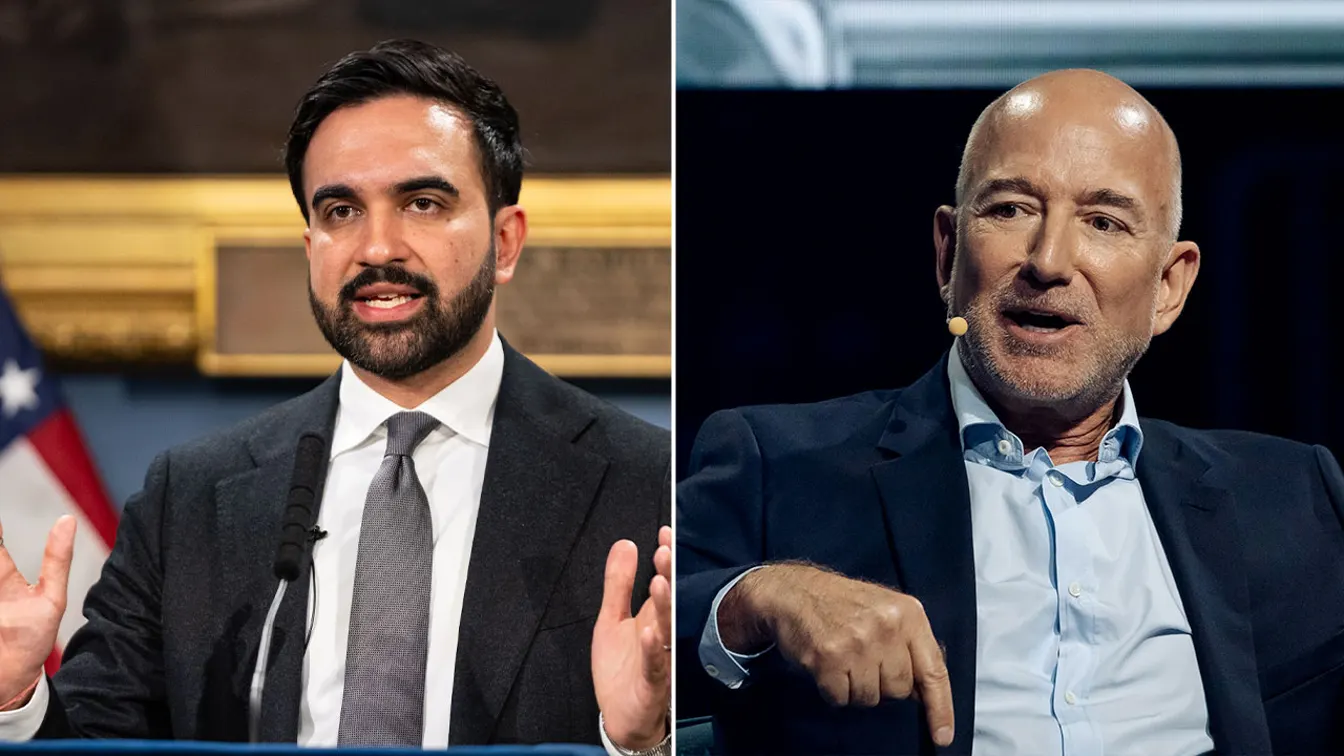
Luxury Home Tax discussions intensified after Jeff Bezos publicly supported New York’s proposal targeting expensive secondary residential properties recently.
Jeff Bezos entered New York’s heated tax debate while discussing proposals aimed at luxury second homes across Manhattan. Furthermore, city leaders continue promoting new measures designed to increase revenue while addressing affordability concerns affecting residents. Additionally, political leaders argue that wealthy property owners should contribute more toward supporting housing and public services statewide. Consequently, the proposal sparked strong reactions among business executives, investors, and political observers throughout the country.
Bezos expressed support for taxing luxury second homes worth more than five million dollars during public remarks. Moreover, he described the proposal as reasonable while distancing himself from broader anti-wealthy political messaging recently. Additionally, Bezos rejected efforts publicly targeting successful business leaders as symbols of economic inequality within New York. Therefore, the Luxury Home Tax debate expanded into wider discussions surrounding fairness, economic growth, and political rhetoric.
New York City officials continue promoting the measure as part of broader affordability and housing policy initiatives. Furthermore, supporters believe additional tax revenue could strengthen public programs and help address rising living costs statewide. Additionally, policymakers argue that wealthy individuals owning expensive secondary properties should contribute additional financial support toward city infrastructure. Consequently, the proposal remains central within ongoing political discussions surrounding economic inequality and urban affordability challenges.
Meanwhile, criticism intensified after political leaders publicly referenced billionaire property owners during campaign-related messaging recently. Moreover, some business leaders argued that aggressive rhetoric could discourage investment and weaken confidence within New York’s financial environment. Additionally, critics warned that excessive taxation might encourage wealthy residents and investors to relocate business activities elsewhere. Therefore, the Luxury Home Tax proposal continues to divide political leaders and financial communities across the United States.
Bezos defended billionaire investor Ken Griffin while rejecting portrayals suggesting wealthy executives harm economic development within major cities. Furthermore, Bezos argued that successful business figures contribute positively through investment, employment creation, and broader economic activity nationwide. Additionally, he emphasized that targeting individuals publicly could damage productive conversations regarding balanced tax reform and economic policy. Consequently, debate surrounding billionaire taxation continues attracting attention from influential corporate leaders and political organizations nationally.
During the discussion, Bezos also proposed eliminating federal income taxes for lower-income American workers entirely nationwide. Moreover, he argued that struggling families should receive greater financial relief instead of additional government tax burdens annually. Additionally, Bezos stated the federal government should prioritize supporting workers facing economic pressure from rising living costs. Therefore, the Luxury Home Tax discussion expanded into broader conversations involving national taxation and income inequality policies.
Political leaders supporting the proposal insist that luxury property taxes represent practical solutions rather than attacks against wealth creation. Furthermore, supporters claim expensive secondary homes place additional pressure upon housing availability and urban affordability throughout New York City. Additionally, advocates believe targeted taxation can generate funding without affecting middle-class residents facing economic uncertainty currently. Consequently, lawmakers continue defending the proposal despite mounting criticism from sections of the financial community.
Meanwhile, economists remain divided regarding potential long-term effects involving investment behavior and housing market stability statewide. Moreover, some analysts predict that wealthy investors may absorb higher taxes without significantly altering their purchasing decisions or investment activity. Additionally, others warn that aggressive tax policies could gradually reduce competitiveness against lower-tax states that attract financial businesses nationally. Therefore, policymakers continue balancing affordability goals against concerns involving economic growth and investment retention.
Finally, political observers expect taxation debates involving wealthy Americans to remain highly influential during upcoming election campaigns nationwide. Moreover, business leaders increasingly participate publicly as economic policy discussions shape investment confidence and market expectations nationally. Additionally, voters continue debating how governments should address affordability challenges while maintaining economic competitiveness and opportunity growth. Consequently, the Luxury Home Tax proposal symbolizes broader national disagreements regarding wealth, taxation, and urban economic policy.

