
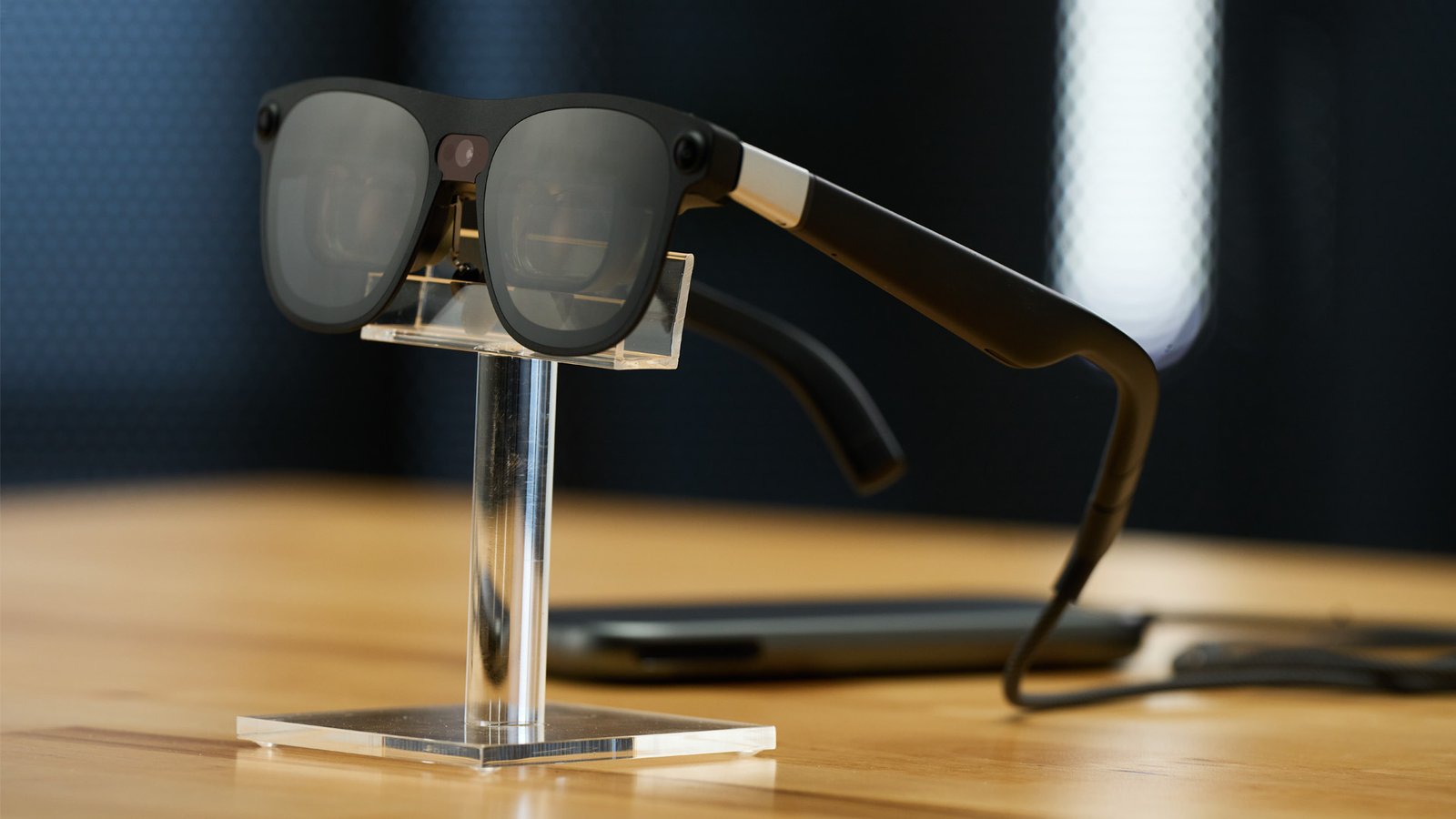
XR smart glasses gained major attention after Google and Xreal revealed Project Aura during technology demonstrations recently. The companies introduced lightweight wearable devices combining immersive computing experiences with comfortable everyday smart glasses designs.
Additionally, Project Aura operates through Google’s Android XR platform while supporting advanced spatial computing software features. Furthermore, industry observers believe these wearable devices could expand consumer interest toward practical augmented reality technologies globally.
During demonstrations, attendees experienced multiple applications floating directly within their visible surroundings simultaneously and comfortably. Consequently, users interacted naturally through hand gestures instead of depending entirely upon traditional controllers during demonstrations.
Project Aura includes three onboard cameras supporting photography, video recording, and responsive hand tracking capabilities effectively. Meanwhile, the lightweight frames closely resemble existing augmented reality eyewear instead of oversized virtual reality headsets entirely.
Moreover, users connect the glasses through a cable attached directly to an external computing device. The compact processing puck hangs comfortably around users’ necks while powering applications, graphics, and immersive experiences smoothly.
Importantly, XR smart glasses currently prioritize portability and comfort rather than complete immersion during everyday computing experiences. Therefore, consumers uncomfortable wearing bulky mixed reality headsets may appreciate Project Aura’s smaller wearable hardware considerably.
The glasses also feature an expansive seventy-degree field-of-view supporting several simultaneously visible application windows comfortably together. As a result, users can multitask efficiently while viewing entertainment, productivity applications, and games without difficulties.
Users controlled applications through intuitive pinch gestures that moved, resized, and selected floating digital interface windows naturally. Additionally, demonstrations showcased responsive interaction systems supporting smoother navigation across Android XR software environments successfully.
Although demonstrations occasionally revealed tracking inconsistencies, testers still completed interactions without experiencing major interruptions frequently afterward. Consequently, Google and Xreal appear focused on improving software responsiveness before Project Aura officially launches worldwide later.
Another demonstration highlighted gaming experiences using floating virtual environments manipulated through natural hand movements successfully throughout. Players controlled characters, rotated environments, and selected abilities without relying upon traditional gaming controllers during presentations.
Meanwhile, XR smart glasses impressed attendees through bright displays delivering sharp visuals and a readable digital interface consistently. Industry analysts expect premium display technology supporting vivid graphics while maintaining lightweight wearable hardware configurations effectively afterward.
Google also demonstrated external monitor capabilities, connecting laptops directly to the wearable computing platform seamlessly during presentations. Therefore, professionals could potentially expand workspace visibility while traveling without carrying traditional external computer monitors everywhere.
Furthermore, Gemini artificial intelligence features identified surrounding physical objects and provided contextual digital information instantly afterward. This integration highlights growing interest surrounding wearable devices powered by conversational artificial intelligence technologies across consumer markets.
Importantly, XR smart glasses may represent a balanced alternative between immersive headsets and basic audio wearable technologies today. Consequently, many consumers could prefer practical lightweight designs supporting entertainment, productivity, and communication simultaneously throughout daily activities.
Industry experts also believe affordable pricing remains essential for broader adoption across mainstream international consumer technology markets. Therefore, Google and Xreal will likely emphasize accessibility alongside innovative software experiences before the commercial release eventually arrives.
Overall, Project Aura demonstrations strengthened confidence surrounding wearable computing technologies and future augmented reality innovation worldwide today. Additionally, XR smart glasses continue attracting significant industry attention while reshaping expectations surrounding next-generation personal computing experiences.

