
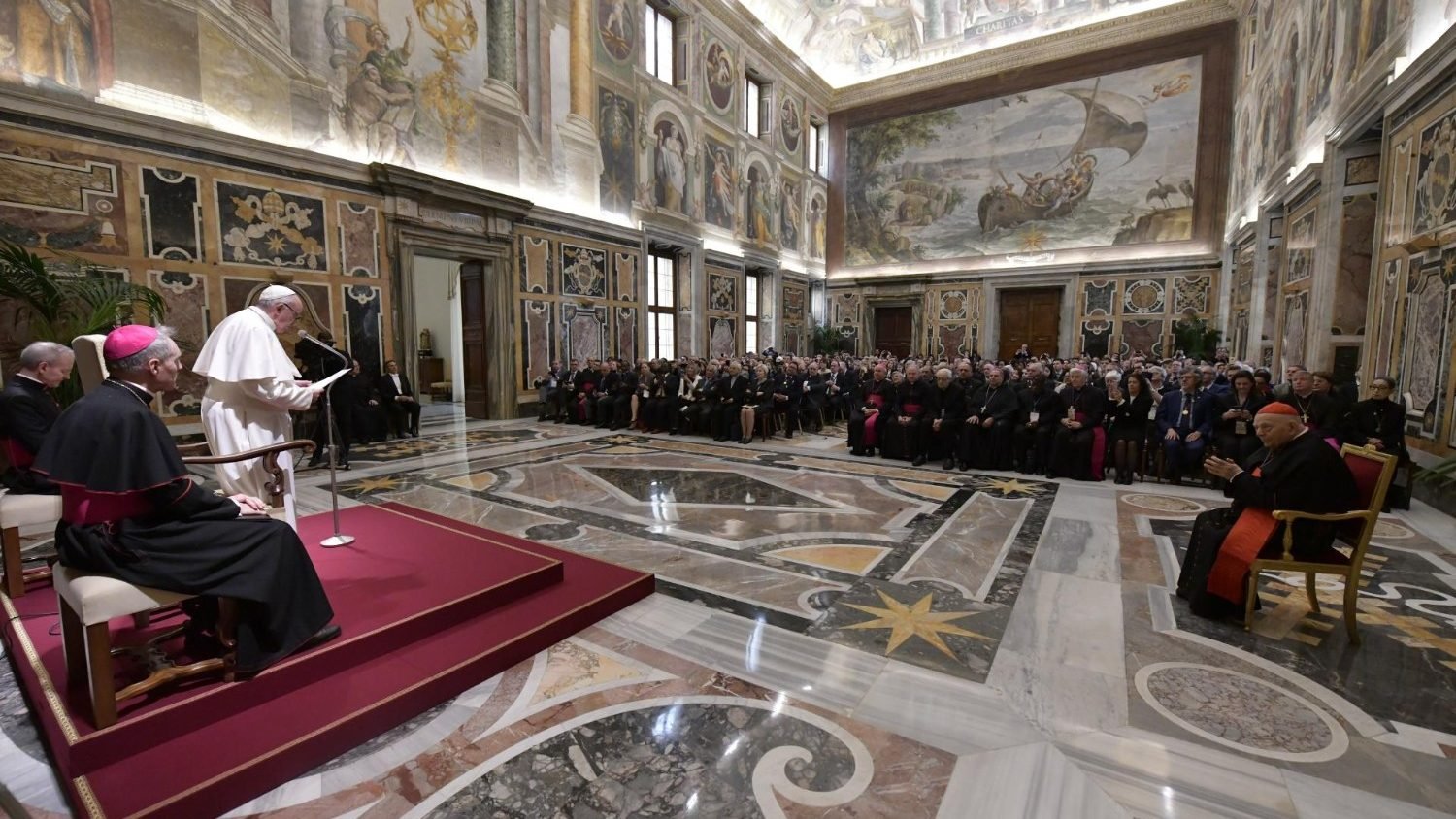
AI ethics focus emerges as Pope Leo XIV launches a Vatican study group on artificial intelligence. Moreover, AI ethics focus shapes preparations for his first encyclical on technology and human dignity. Consequently, the Vatican strengthens its role in global debates about rapidly advancing AI systems.
Pope Leo XIV created the internal study group to examine artificial intelligence more closely. In addition, Vatican officials said rising AI use requires stronger ethical evaluation and guidance. Therefore, church leaders stressed dignity, peace, and responsibility in technology development.
The announcement followed the pope’s signing of his first encyclical earlier this week. Notably, the timing aligned with the anniversary of Pope Leo XIII’s landmark industrial era document. As a result, officials linked both texts through themes of social change and labor rights.
AI ethics focus connects the new encyclical to Catholic social teaching on work and justice. Furthermore, the document will address employment, dignity, and responsibility in technological change. Meanwhile, scholars compare AI disruption to earlier industrial revolutions.
Experts expect the encyclical to influence global discussions on technology governance. In particular, AI ethics focus may position the Vatican as a moral voice in policy debates. However, governments continue to differ on how strongly they should regulate AI systems.
The Vatican also warned about risks linked to misinformation, deepfakes, and algorithmic systems. In addition, officials highlighted environmental costs tied to large data centers and computing demands. Therefore, they urged a balance between innovation and responsibility.
AI ethics focus extends into international politics, where regulatory approaches vary widely. For example, the United Nations explores frameworks while the European Union applies structured rules. Meanwhile, some countries prioritize rapid AI development for economic advantage.
The Vatican previously supported ethical AI principles through global agreements with technology firms. Moreover, those principles emphasized fairness, transparency, accountability, and privacy protections. As a result, the church continues to cooperate with academic and industry partners.
Pope Leo XIV has warned clergy against using AI to write sermons. At the same time, he recognizes AI benefits in medicine and research. However, he insists human judgment must remain central in ethical decisions.
AI ethics focus also shapes concerns about warfare and autonomous weapons systems. Consequently, the pope urged global leaders to ensure humans retain control over military decisions. Therefore, he called for stronger international cooperation on AI risks.
Church observers say AI ethics focus will define early priorities of the pope’s leadership. Ultimately, Vatican officials believe the encyclical will guide long-term global technology discussions. Thus, the study group marks a major step in Vatican engagement with artificial intelligence.

