
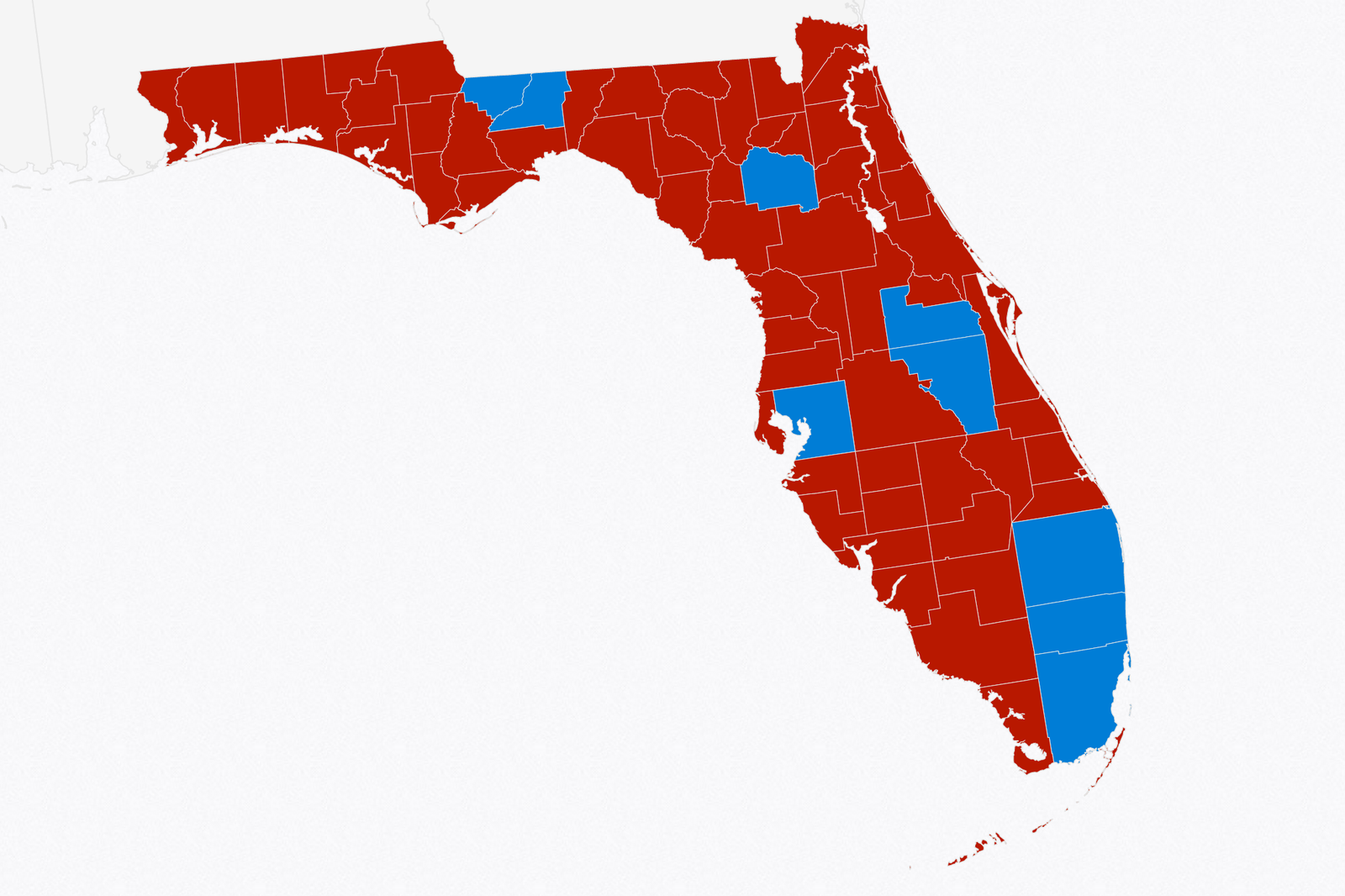
The Florida shift appears in Florida elections as Democrats gain ground in several recent special contests. Moreover, these results raise questions about long-term competitiveness in a Republican-leaning statewide environment. Democrats improved their performance in districts Republicans previously controlled with strong margins.
Florida shift continues as Republicans maintain a statewide advantage in voter registration and turnout strength. However, Republicans argue demographic trends and migration patterns support their long-term position. In contrast, Democrats point to recent local results as signs of growing competitiveness in key areas.
Governor Ron DeSantis backed a new congressional map that strengthens Republican-leaning districts. Therefore, Republican leaders say the map reflects current voter alignment across the state. Meanwhile, Democratic officials argue some districts could still become competitive over time.
Recent special elections show Democrats narrowing margins in multiple state legislative races. Additionally, these races include districts that Republicans had previously won by wide margins. Consequently, candidates on both sides cite economic issues as central voter concerns.
The Florida shift also reflects rising attention to housing costs and insurance prices statewide. For example, voters consistently raise affordability concerns during campaign events and community meetings. As a result, campaigns have adjusted messaging to focus more heavily on these economic issues.
Republicans remain confident due to registration advantages and recent statewide victories. At the same time, they argue Florida has become more reliably Republican in major elections. However, Democrats emphasize the role of independent voters in competitive districts.
Political analysts caution that special election results do not always predict general elections. For instance, turnout differences often create results that differ from higher turnout contests. Therefore, they recommend careful interpretation of short-term electoral changes.
Florida’s shift varies across regions, with different areas showing different political patterns. Meanwhile, South Florida leans more Democratic, while other regions remain strongly Republican. In addition, these differences continue shaping campaign strategies across the state.
Both parties plan increased investment in competitive districts ahead of future elections. Moreover, analysts say upcoming races will test whether recent Democratic gains continue. Ultimately, Florida remains a key state in national political strategy discussions.