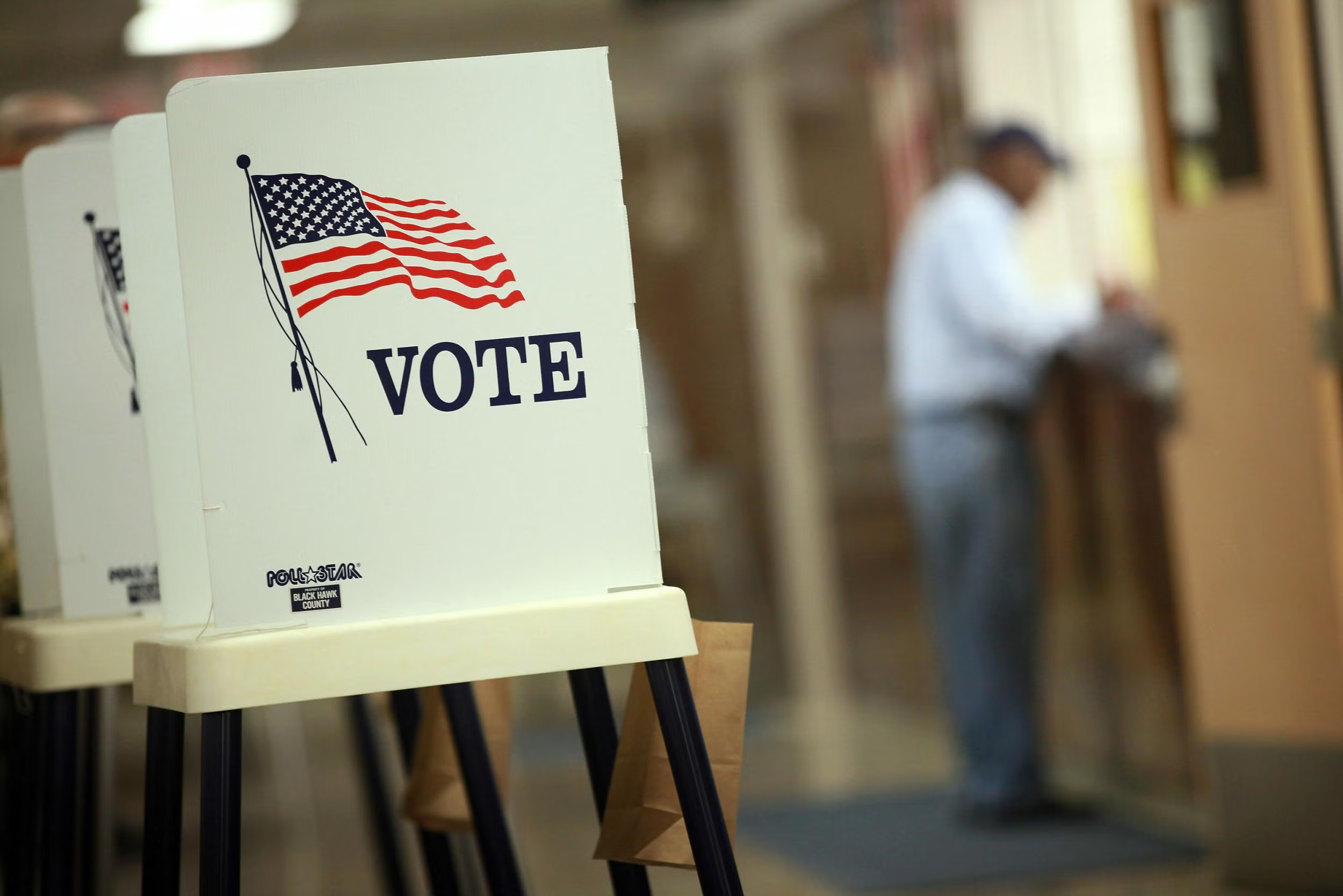
Indiana GOP primary draws national attention as Trump influence shapes Republican Senate battles this year. Moreover, Republican voters across Indiana now prepare for closely watched state Senate races involving Trump-endorsed challengers.
State senators previously rejected congressional redistricting efforts supported by Trump administration officials and political allies. Consequently, that decision triggered primary challenges backed by national Republican groups and major fundraising organizations.
Indiana GOP primary includes twenty-one Republican senators facing voter scrutiny after the redistricting vote. In addition, Trump allies invested significant resources into these races, which usually receive limited national attention.
Supporters argue redistricting strengthens Republican chances in closely contested congressional districts across the country. However, opponents argue that the effort bypasses traditional timelines and reduces local voter input in decision-making.
Lieutenant Governor Micah Beckwith described the primary as a test of party unity in Indiana politics. Furthermore, he emphasized competition between Republicans who prefer caution and those who favor stronger confrontation strategies.
Former Governor Mitch Daniels supported several incumbents and helped raise funds for targeted Senate campaigns. Meanwhile, some Republican voters expressed concern about national influence affecting local Indiana political decisions during this cycle.
Other Republicans believe strong national support helps unify messaging ahead of the upcoming midterm elections. As a result, party strategists continue coordinating campaign efforts between state leaders and national organizations across Indiana.
Indiana GOP primary also reflects ongoing debates about redistricting and party direction within Republican ranks. At the same time, these discussions continue as candidates compete for voter support in multiple contested districts statewide.
Trump’s endorsement remains a major factor in many Republican primary contests across Indiana this election year. Therefore, analysts say voter turnout will play a decisive role in determining outcomes in competitive races.
Redistricting disagreements have divided Republican factions and created tension within state party organizations. Nevertheless, leaders expect continued campaigning and fundraising activity throughout the remaining primary season.
Local Republican communities emphasize independence while evaluating national political influence in state elections. Likewise, voters weigh local concerns alongside broader national party priorities during this election cycle.
Indiana GOP primary continues to attract attention as national figures influence state-level political contests. Ultimately, the results will help shape Republican momentum heading into the upcoming midterm elections.