The situation in the Gulf sharply intensified as U.S. Iran tensions escalate across key shipping routes. First, U.S. forces took direct action against Iranian boats near vital waters. Meanwhile, Iran expanded its military response toward regional targets and commercial shipping lanes.
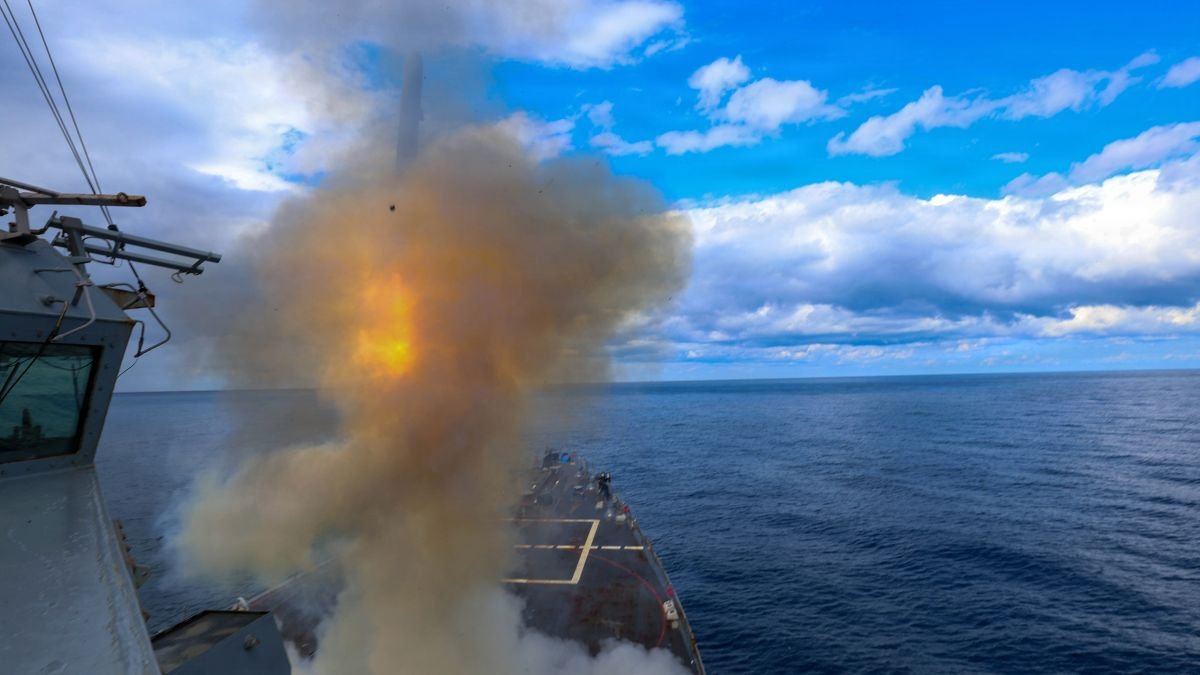
Initially, U.S. naval units engaged several small Iranian vessels near the Strait of Hormuz. They destroyed seven boats after crews attempted to disrupt protected maritime movement. As a result, U.S. commanders reinforced their commitment to secure global energy routes. Furthermore, the operation highlighted Washington’s focus on deterrence and stability.
At the same time, Iran launched missiles and drones toward targets in the United Arab Emirates. Additionally, Iranian forces targeted a commercial ship passing through the Strait of Hormuz. UAE authorities quickly confirmed the attack and assessed the situation. Fortunately, no major damage or casualties emerged from the incident.
Meanwhile, U.S. officials emphasized that two commercial ships completed safe passage during the operation. These ships traveled under a new protection plan designed to ensure free navigation. Therefore, the U.S. aimed to demonstrate control over one of the world’s most strategic waterways.
In contrast, Iran framed its actions as part of a broader political strategy. Iranian officials stated that they submitted a multi-point proposal aimed at ending the conflict. However, U.S. leadership expressed skepticism toward the proposal’s intentions. As a result, tensions remained high despite ongoing diplomatic signals.
Moreover, President Trump signaled that he may reject the Iranian proposal. He argued that Iran had not made sufficient concessions. Consequently, diplomatic progress appeared uncertain as both sides hardened their positions. Still, backchannel discussions may continue behind the scenes.
Importantly, the Strait of Hormuz remains a critical artery for global oil supplies. Therefore, any disruption in this region quickly affects international markets. Energy traders and shipping companies continue to monitor developments closely. In addition, governments across the region increased alert levels.
As U.S. Iran tensions escalate, military and economic risks continue to grow. On one hand, the U.S. seeks to maintain open shipping lanes. On the other hand, Iran aims to increase pressure through targeted actions. This dynamic creates ongoing uncertainty for global energy stability.
Nevertheless, U.S. Iran tensions escalate with both military and diplomatic fronts active. While conflict has not reached full scale, risks remain significant. Therefore, the coming days will likely shape the next phase of regional stability.