
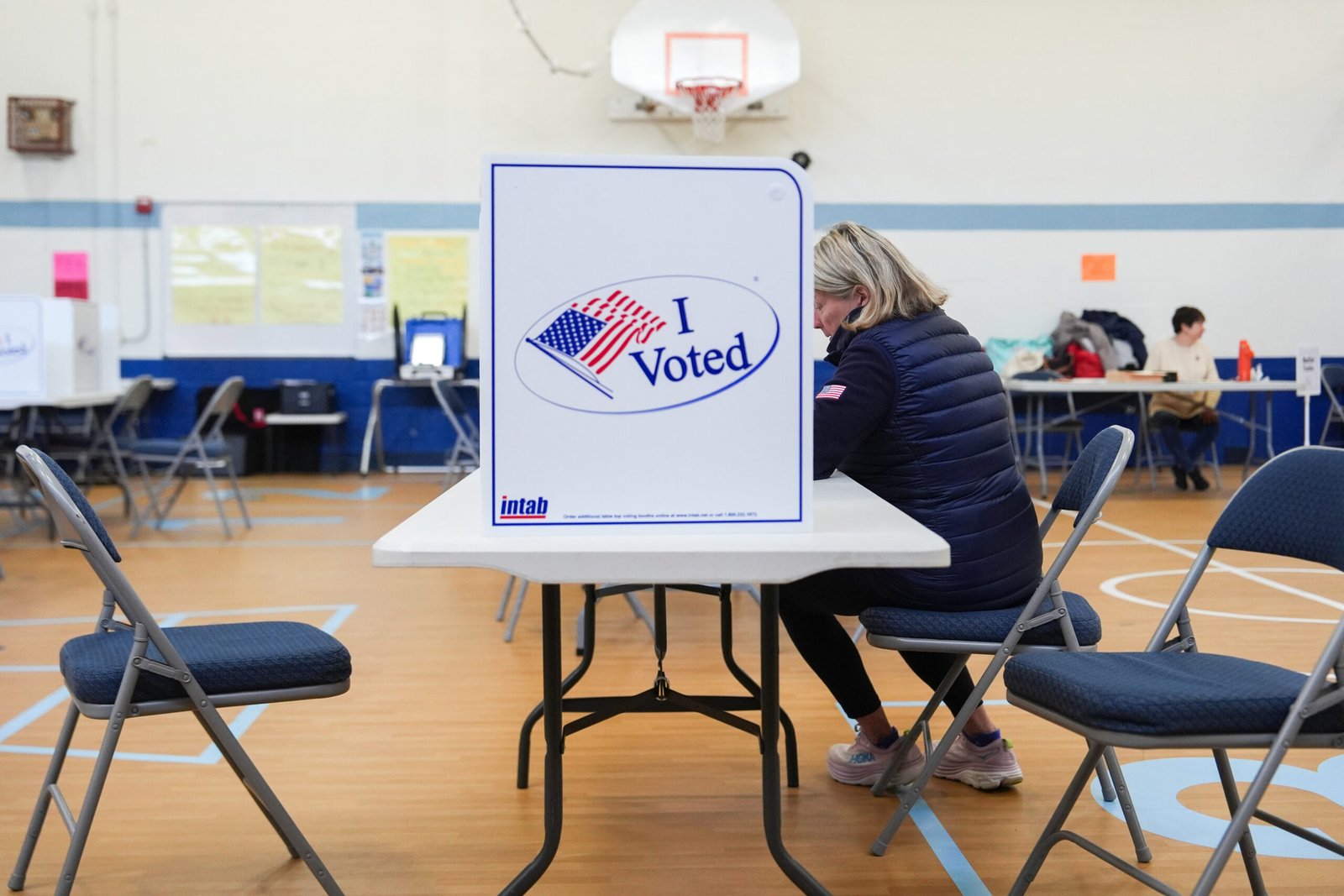
In the United States, a major redistricting battle continues to reshape the political landscape. Voters in Virginia approved a new electoral map. As a result, Democrats gained an advantage in the fight for control of the House.
Traditionally, states redraw maps every ten years. However, this cycle has broken that pattern. Instead, many states pushed early redistricting efforts. Consequently, political competition has intensified nationwide. This trend highlights the growing redistricting battle.
Initially, Donald Trump encouraged Republican-led states to redraw maps. For example, Texas introduced changes that favored Republicans. These changes aimed to secure additional seats in Congress.
Soon after, other states followed similar strategies. Missouri and North Carolina adjusted their maps. Ohio also joined this effort. As a result, Republicans strengthened their position in several regions.
Meanwhile, Democrats responded quickly. California and Utah introduced their own map changes. These moves aimed to balance Republican gains. Therefore, the redistricting battle expanded across the country.
In Virginia, the new map could shift political representation significantly. Analysts suggest Democrats could gain multiple seats. Consequently, this shift could tighten control of the House.
However, experts warn about long-term consequences. Some believe these actions could weaken democratic norms. They argue that constant redrawing reduces fair competition. Therefore, the redistricting battle raises serious concerns.
Hakeem Jeffries defended Democratic actions strongly. He argued that his party had to respond forcefully. Meanwhile, John Fetterman expressed concern about democratic integrity. He warned that both parties risk damaging the system.
At the same time, attention shifts toward Florida. Governor Ron DeSantis plans discussions about new district maps. These potential changes could favor Republicans again. Therefore, the redistricting battle may continue to evolve.
Additionally, legal challenges could affect outcomes. Courts in Virginia are reviewing the approved map. Furthermore, the Supreme Court of the United States will rule on key redistricting issues. One case could reshape how districts account for racial representation.
This legal decision could influence several southern states. It may allow new maps that were previously restricted. Consequently, the redistricting battle could expand even further.
Despite these conflicts, some experts see an opportunity. They believe both parties now understand the risks of extreme tactics. Therefore, they suggest possible bipartisan reform.
One proposed solution involves independent commissions. These groups could manage redistricting fairly. However, most states still rely on lawmakers to draw maps. As a result, political influence remains strong.
Ultimately, the redistricting battle continues to shape US politics. Both parties seek advantages ahead of critical elections. However, these strategies may weaken long-term democratic stability.