
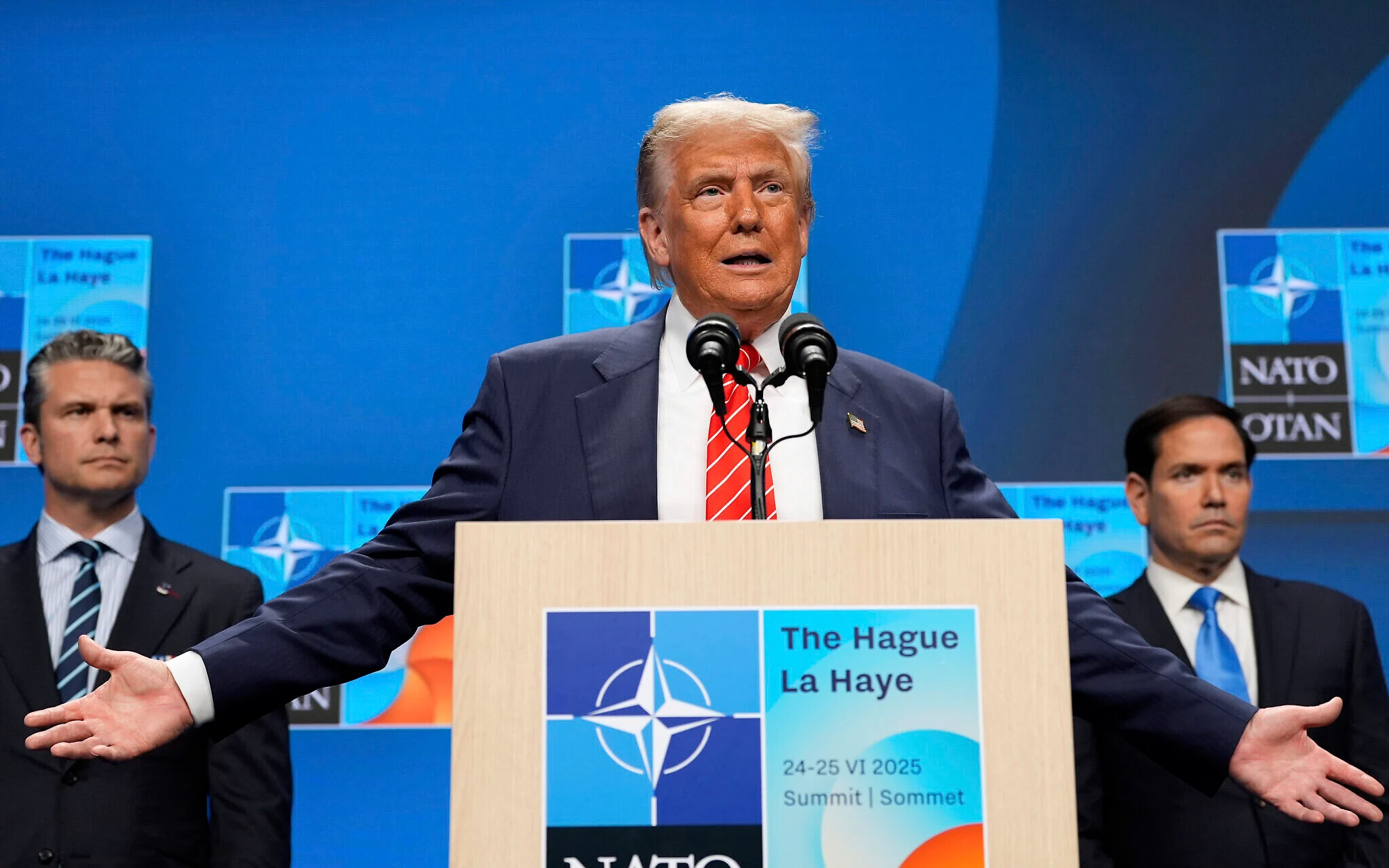
President Donald Trump highlighted NATO alliance challenges and criticized European allies for failing to meet defense commitments. He stressed that the United States carries disproportionate responsibilities while other members hesitate to act decisively. During the recent Iran crisis, allied support lagged, revealing vulnerabilities in NATO’s operational capacity and cohesion. Several European nations refused to provide airspace, ports, or bases, directly affecting U.S. strategic operations. Germany and Spain explicitly denied assistance, exposing a gap between treaty obligations and actual military support.
Experts argue that NATO alliance challenges stem from decades of expansion that emphasized symbolism over combat capability. The alliance now includes thirty-two nations, with some contributing political influence rather than meaningful military strength. These differences raise credibility concerns during crises and underscore the urgent need for structural reform. The United States still covers roughly sixty-two percent of total NATO defense spending, while only a few members met the two-percent GDP defense commitment in 2014, showing persistent disparities in contributions.
Projections indicate more countries will meet spending obligations, but gaps in participation continue to create strategic vulnerabilities. Analysts urge NATO to enforce stricter membership criteria, ensure burden-sharing, and implement flexible coalition decision-making that allows willing allies to act efficiently. Consensus rules, which let a single nation block action, slow collective responses during critical emergencies. The recent Iran situation illustrates how over-reliance on hesitant allies creates operational and strategic risks. Policymakers must evaluate membership, missions, and reciprocal obligations to maintain a functional alliance.
Military officials emphasize reform over withdrawal, warning that dismantling NATO would sacrifice basing rights, intelligence networks, and interoperability. U.S. leadership must remain strong while allies demonstrate willingness to act responsibly. History shows that credibility erodes when commitments remain uneven and obligations are ignored over time. Implementing a successful reform plan would clarify military responsibilities, enforce contributions, and allow coalition action without delay.

