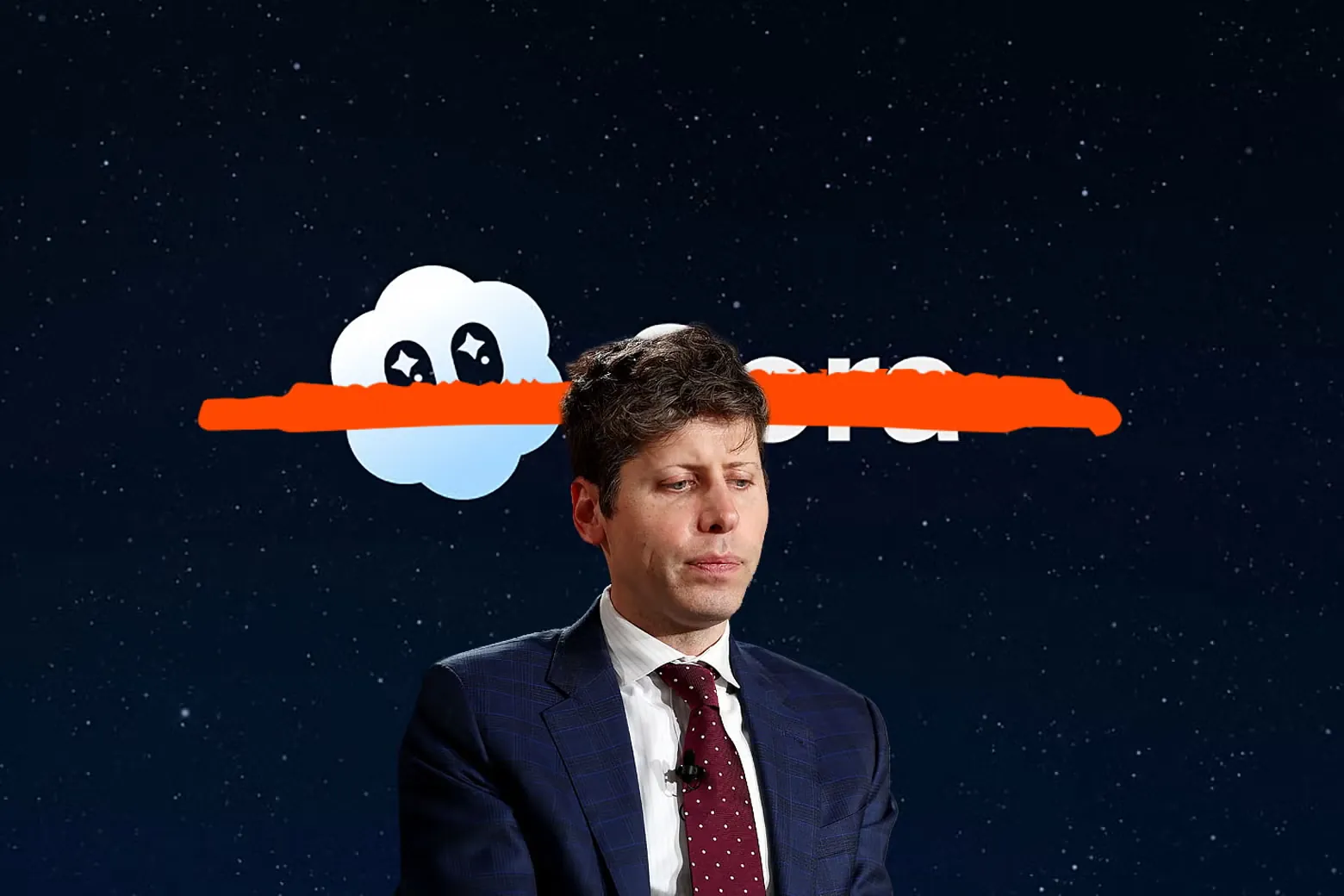
OpenAI announced the Sora shutdown decision after its AI video-generation tool failed to attract enough users. The app allowed users to insert their faces into generated video scenes, but interest quickly declined after an initial surge. While Sora’s worldwide user base briefly reached about a million, it dropped to under 500,000 in only a few months.
The company also faced enormous costs running the AI video-generation infrastructure, spending roughly one million dollars per day. Each video created by users consumes limited AI chip resources, increasing operational expenses significantly. Consequently, OpenAI needed to make a strategic decision to allocate resources more efficiently toward projects that drive revenue.
Internally, a dedicated team focused on maintaining and improving Sora, but competitors such as Anthropic attracted engineers and enterprise clients. Claude Code, a rival AI product, became particularly appealing to developers seeking reliable software solutions. Therefore, OpenAI’s leadership recognized that continuing Sora distracted from more profitable initiatives and innovation in the AI sector.
CEO Sam Altman made the executive call to terminate Sora, freeing resources for other AI developments. This decision surprised external partners, including Disney, which had invested one billion dollars in a collaboration involving the app. Disney reportedly learned about the Sora shutdown less than an hour before it became public knowledge, effectively ending the partnership.
The Sora shutdown decision highlights the challenges of sustaining advanced AI video tools when user engagement fails to justify costs. OpenAI aims to focus on products that offer a better return on investment and maintain its competitive advantage. Additionally, the company hopes that reallocating computing and engineering resources will accelerate progress in other AI projects.
Industry analysts suggest that high operating expenses combined with insufficient demand make even innovative AI products unsustainable without broad adoption. Meanwhile, Sora’s brief popularity shows that public interest alone cannot offset extreme technological costs. Users who enjoyed experimenting with the AI tool must now explore alternatives or wait for future OpenAI offerings.
Ultimately, the Sora shutdown decision reflects the practical realities of AI business strategy, balancing innovation, user engagement, and operational expenses. OpenAI continues developing other AI tools while reassessing which products can succeed commercially. Experts believe lessons from Sora may guide more efficient AI deployments in the future.