
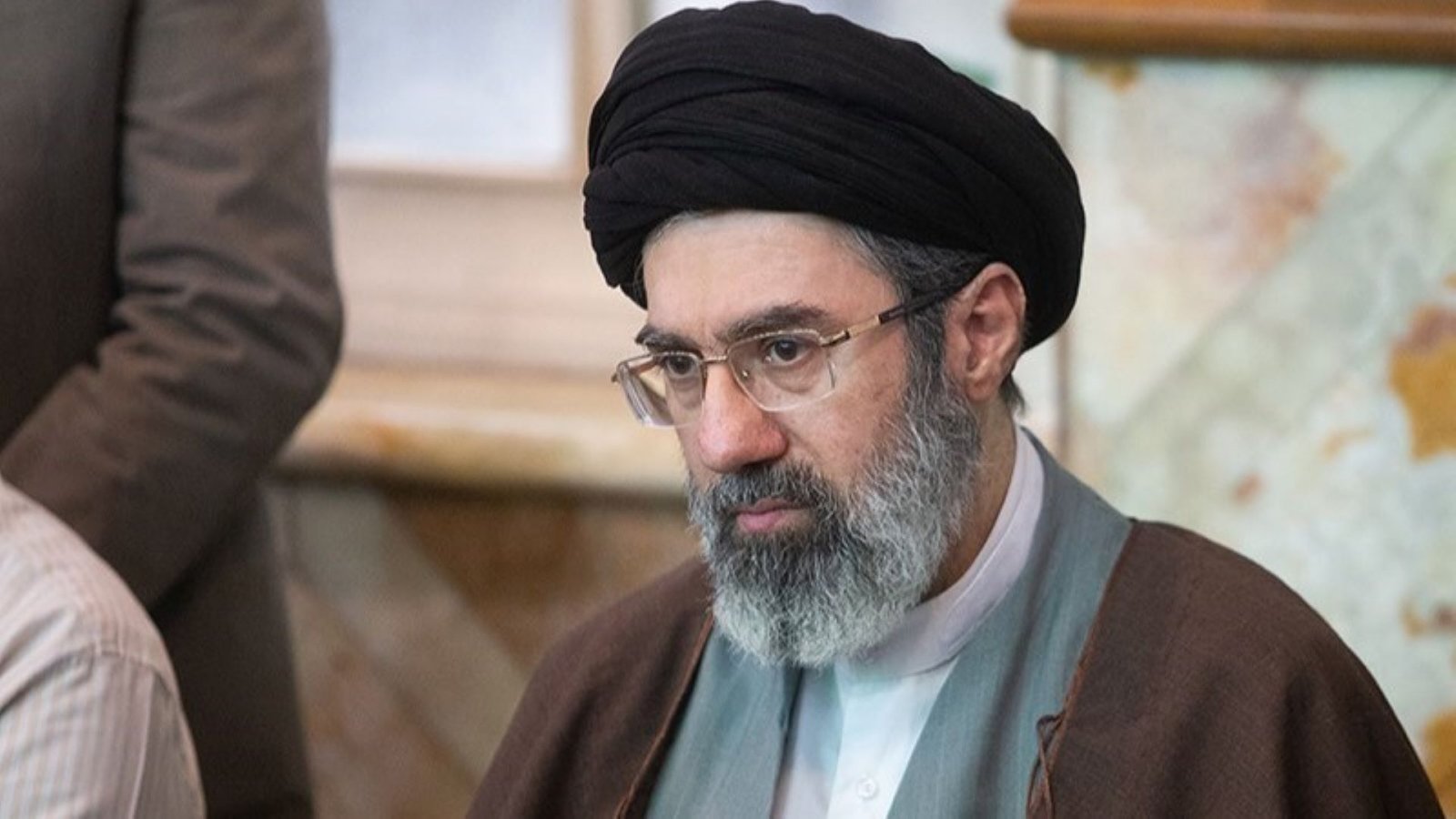
Iran’s leadership crisis deepens as reports question Mojtaba Khamenei’s control over Iran’s governing system today. Israeli security sources claim the country’s leadership structure appears fragmented, confused, and ineffective in practice. The development follows the death of Ayatollah Ali Khamenei during a targeted strike in February. Subsequently, his son Mojtaba Khamenei assumed leadership amid heightened regional tensions and growing internal uncertainty. However, analysts argue that Iran’s leadership crisis reflects deeper institutional fractures within the ruling establishment.
Kobi Michael, an analyst, described the new leader as largely symbolic without effective command authority. Moreover, he stated that decision-making appears disorganized with competing factions influencing outcomes across institutions. Meanwhile, reports indicate Mojtaba Khamenei has avoided public appearances since assuming his powerful new position. Instead, officials delivered statements on his behalf through state television, emphasizing resilience and confrontation externally. Additionally, conflicting rumors suggest he suffered injuries during the strike that killed his father recently.
Iranian officials deny these claims, insisting that the supreme leader remains in stable health currently. At the same time, Israeli operations have eliminated several senior Iranian figures across security institutions. These figures include Ali Larijani and Gholamreza Soleimani, both considered influential within Iran’s military structure. Consequently, analysts believe losses contribute to Iran leadership crisis by weakening coordination among leadership ranks. Furthermore, strikes appear designed to disrupt governance capabilities and prevent effective reorganization within the regime.
In response, Mojtaba Khamenei made a promise of retaliation and condemned attacks against Iranian officials and infrastructure. He emphasized that actions would strengthen national resolve rather than diminish Iran’s strategic determination regionally. Meanwhile, the United States leadership signaled pressure, suggesting objectives aimed at transforming Iran’s political system internally. Former President Donald Trump encouraged Iranian citizens to challenge their government following extensive military operations.
Accordingly, experts suggest external pressure combined with internal instability could create conditions for political change. Nevertheless, uncertainties remain regarding the cohesion of Iran’s ruling elite and its capacity to maintain centralized authority. Observers note opaque decision-making processes make it difficult to assess the leadership’s true stability. Even reports highlighting ongoing tensions continue to shape international perceptions of Tehran’s political trajectory.
As developments unfold, regional actors monitor situation given wider implications for security across the Middle East. Therefore, evolving crisis remains a central concern for policymakers evaluating diplomatic and military strategies globally. Ultimately trajectory of Iran’s leadership will depend on internal dynamics and external pressures shaping outcomes. Uncertainty dominates assessments as conflicting information emerges from official statements and external intelligence sources. Thus, analysts caution that conclusions remain premature despite evidence pointing toward instability within Iran’s leadership structure.

