
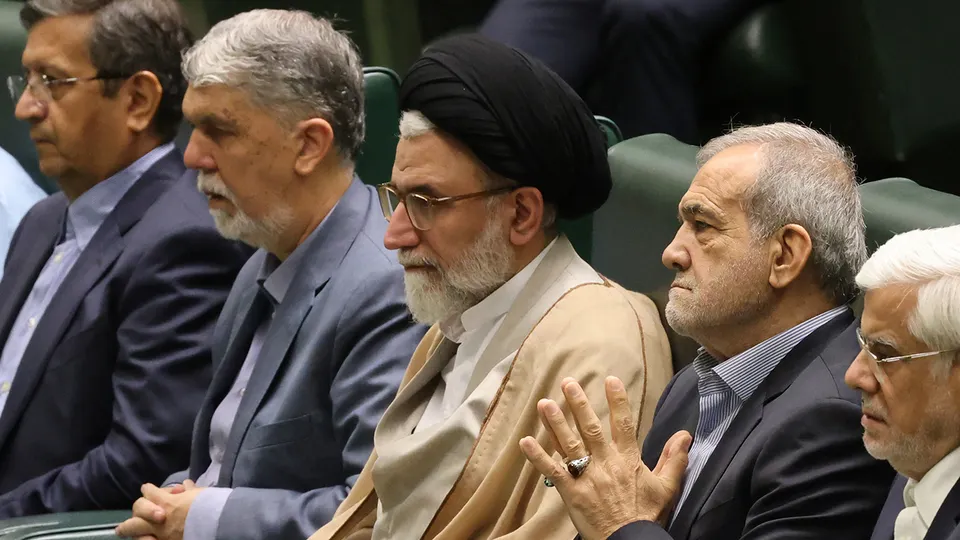
Senior Israeli forces killed top Iranian leaders overnight in precision strikes, escalating regional tensions sharply today. The operation targeted Ali Larijani, Gholamreza Soleimani, and Esmaeil Khatib, who led Iran’s top security and military institutions. Israeli officials said intelligence teams conducted careful planning to hit key targets while protecting nearby civilians. Meanwhile, Tehran launched additional missiles and drones against Israel and Gulf Arab neighbors in immediate retaliation.
The strikes eliminated Ali Larijani, Iran’s Supreme National Security Council Secretary, removing a central architect of national security. They also killed Gholamreza Soleimani, head of the Revolutionary Guard’s Basij militia, reducing Iran’s paramilitary operational coordination. Esmaeil Khatib, Iran’s Minister of Intelligence, died in the same attacks, dismantling significant portions of Tehran’s global intelligence networks. Analysts argue these deaths deliver a major blow to Iran’s strategic planning and international operations.
After the strikes, Iran fired missiles and deployed drones targeting Israel and Gulf nations, raising regional alarms. Military experts warn these retaliatory attacks could endanger civilian infrastructure and threaten shipping lanes throughout the Persian Gulf. Observers note that eliminating high-ranking leaders may temporarily slow Iran’s ability to coordinate attacks abroad. However, international security analysts caution that Tehran still possesses substantial asymmetric capabilities for further operations in the region.
The strikes demonstrate Israel’s growing operational capabilities and precise intelligence execution in high-value missions against Iran. Experts highlight that intelligence and military agencies coordinated closely to neutralize top targets effectively and quickly. International officials warn that such actions could spark further escalation and destabilize surrounding countries if retaliation continues. Diplomats continue urging restraint while observing Tehran’s military response to prevent broader regional conflict.
Ultimately, the Iranian leaders killed in these strikes illustrate the escalating stakes within the Middle East security environment. Analysts expect continued monitoring and strategic measures to contain further destabilization across the Gulf and Israeli territories. Regional security observers note that removing multiple senior officials simultaneously could reshape internal power dynamics in Iran’s government. The Iranian leaders killed in these strikes represent a significant turning point in ongoing intelligence and military operations throughout the region.

