
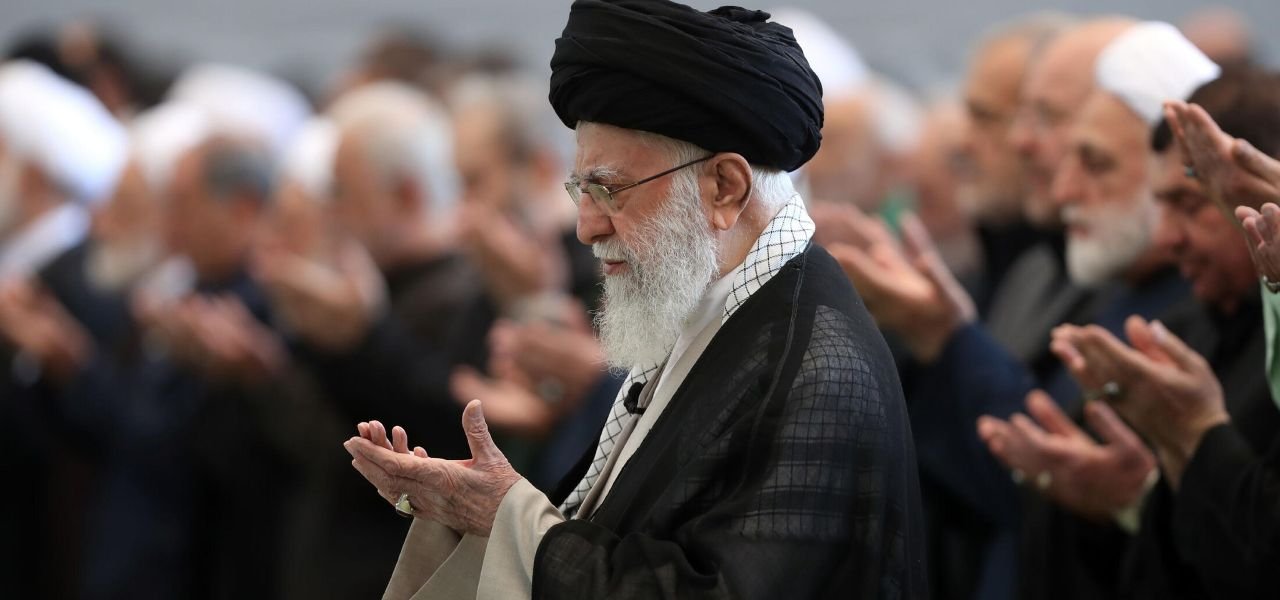
Iran Ideology System continues to shape politics, religion, and daily life inside the Islamic Republic. Analysts say Iran’s ruling leadership built a complex structure combining propaganda, loyalty networks, and intimidation. This system operates across schools, mosques, government offices, and media platforms throughout the country. Experts argue these institutions reinforce ideological messaging designed to maintain regime authority and political control.
Security analyst Benny Sabti recalls a striking childhood experience illustrating how ideology appeared in education. As a student in Iran, Sabti received a Persian translation of Adolf Hitler’s Mein Kampf. Teachers awarded the book as a prize recognizing academic achievement in his classroom. Sabti later reflected that the unusual reward symbolized deeper ideological influences shaping education. Today, he studies Iran’s political structure as an analyst at Israel’s Institute for National Security Studies.
According to Sabti, the Iranian Ideology System formed an ecosystem spreading official narratives across society. Government institutions integrated religious messaging into nearly every area of public life. For example, representatives of the regime often moved through workplaces and markets, encouraging prayer attendance. In addition, mosque leaders regularly delivered sermons closely aligned with government messaging.
The Islamic Republic’s political foundation relies on the doctrine called velayat-e faqih. This concept places both religious authority and political leadership under the country’s supreme leader. However, critics argue the system functions less as spiritual guidance and more as political control. Iranian-American journalist Banafsheh Zand says religion frequently becomes a tool rather than the ultimate objective.
She explains that the regime encourages loyalty using both incentives and pressure. Programs connected to the Basij militia often offer employment opportunities and educational benefits. Families aligned with these networks sometimes receive housing assistance or financial advantages. Consequently, supporters may gain stability while critics face social or economic risks.
Education remains central to maintaining ideological influence within Iranian society. Sabti says school textbooks frequently portray Islam as superior to other belief systems. Religious messaging also appears across subjects, including history, geography, and civic education. This approach gradually shapes how students interpret politics, identity, and international relations.
Meanwhile, critics say contradictions weaken the credibility of Iran’s leadership over time. Some elites maintain wealthy lifestyles while sending their children abroad for education. Sabti argues these differences create visible hypocrisy within the governing class. Such contradictions challenge the ideological narrative promoted to ordinary citizens.
Despite decades of messaging, many analysts believe public acceptance of the ideology remains limited. Sabti says large segments of Iranian society no longer fully believe official narratives. Nevertheless, the government maintains authority through security forces, financial networks, and widespread propaganda.
Ultimately, experts say the Iranian Ideology System survives through a combination of loyalty incentives, fear, and information control. However, shifting attitudes among younger generations suggest the ideological structure faces growing pressure inside Iran.

