
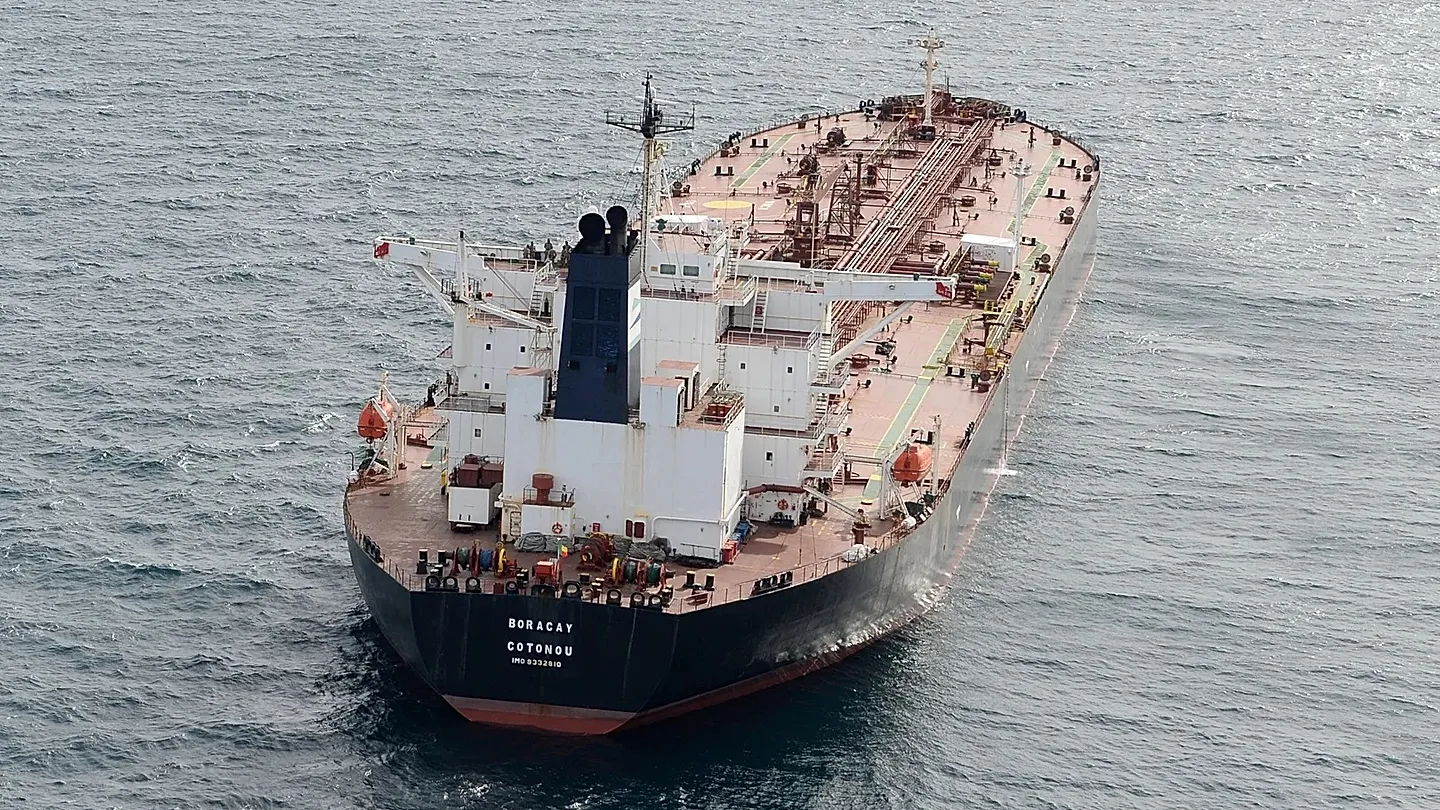
The surge in suspected sanction-evading vessels has alarmed military planners in Britain and allied capitals. Moreover, officials fear these movements could spark confrontation in some of the world’s busiest sea lanes. Consequently, naval forces have increased patrols and monitoring operations in strategic maritime corridors.
The tankers transported millions of dollars’ worth of crude oil despite sweeping Western sanctions. Meanwhile, defense analysts warn that continued transits through NATO-controlled waters heighten risks of miscalculation. As a result, governments now debate whether stronger enforcement measures could deter further activity.
British authorities have focused particular attention on vessels navigating the English Channel. Furthermore, this narrow passage handles immense daily commercial traffic, which complicates oversight efforts significantly. Therefore, any disruption or standoff could quickly affect global shipping markets and regional security.
Several vessels linked to Russia recently departed Baltic ports carrying sanctioned crude shipments. In addition, maritime tracking data revealed frequent flag changes among certain ships seeking concealment. These maneuvers, analysts argue, enable operators to obscure ownership and bypass compliance checks.
One large Suezmax-class tanker sailed from Primorsk loaded with nearly one million barrels. Consequently, that shipment alone carried an estimated value exceeding fifty million dollars. Authorities stressed that sanctioned ships cannot access ports in allied jurisdictions legally. However, international maritime conventions still permit innocent passage through territorial waters under strict conditions.
Another vessel departed Ust-Luga under a foreign flag earlier this month. Shortly afterward, officials demanded proof of valid maritime insurance within twenty-four hours. Such requests form part of broader enforcement efforts targeting suspected sanction evasion networks.
Defense experts now caution that Shadow Fleet Tensions may intensify during the coming months. Additionally, they argue that Britain and NATO partners could adopt firmer maritime interdiction strategies. Some analysts even predict a limited naval confrontation if enforcement encounters resistance at sea.
The United Kingdom’s defense ministry has already expanded surveillance and compliance checks. Since late 2024, officials have requested insurance documentation from hundreds of suspect ships. Likewise, American authorities have seized multiple tankers connected to illicit oil trades recently.
Although commercial shipping continues uninterrupted for now, strategic anxieties continue mounting steadily. Ultimately, policymakers must balance maritime law with security priorities amid escalating Shadow Fleet Tensions.

