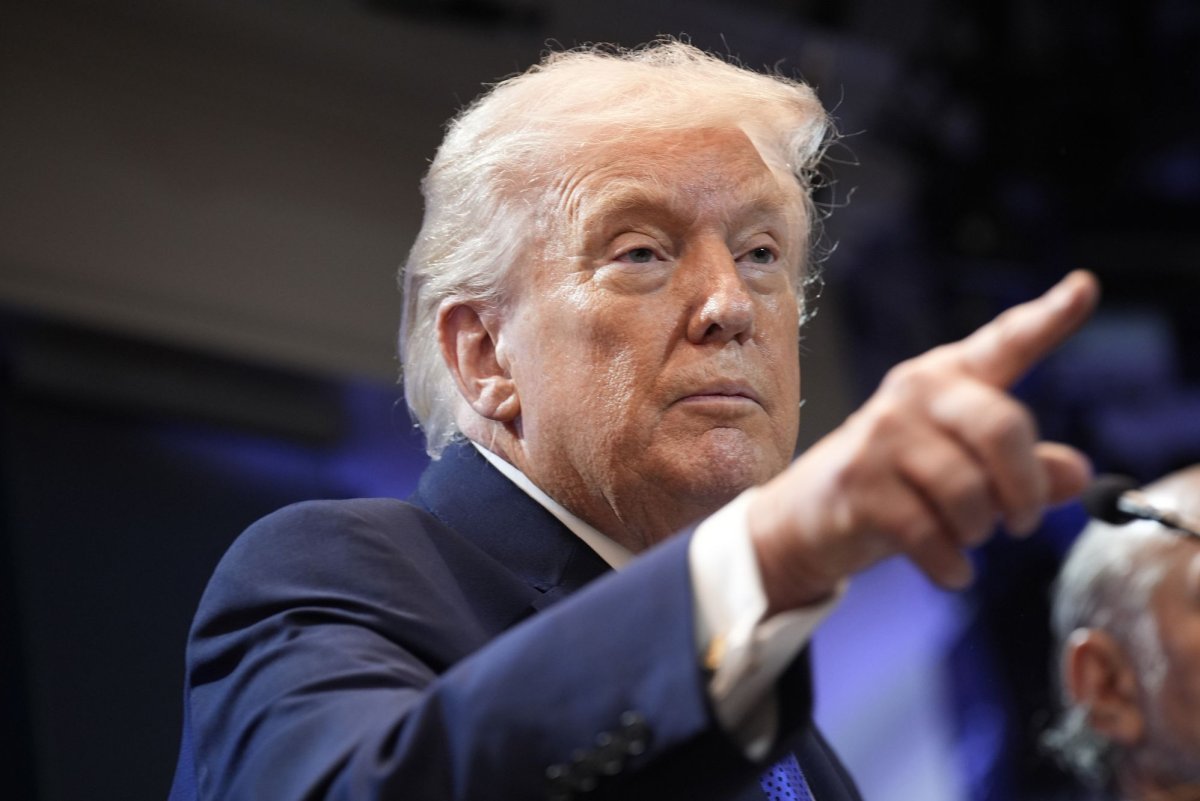
The administration confirmed that a 10 percent import duty took effect on Tuesday. Earlier statements had suggested the rate could rise to 15 percent. However, official documents show no directive increasing the tariff beyond 10 percent.
The adjustment followed a major ruling from the Supreme Court of the United States last week. The court determined that Trump exceeded his authority when he imposed sweeping tariffs under emergency powers. As a result, the administration shifted its legal approach.
Instead of relying on the 1977 International Emergency Economic Powers Act, the White House invoked Section 122 of the 1974 Trade Act. That provision allows the president to impose tariffs for up to 150 days without congressional approval. Officials stated that the temporary 10 percent levy aims to rebalance trade relationships and protect American industries.
Nevertheless, the sudden policy shifts have fueled market uncertainty. Carsten Brzeski of ING told the BBC that businesses now face renewed instability. He warned that unpredictable trade measures could increase the risk of retaliation from major trading partners. Consequently, analysts say the possibility of a broader trade conflict has grown.
The administration continues to defend tariffs as essential tools for reducing the U.S. trade deficit. Trump argues that higher import taxes encourage domestic production and narrow the gap between imports and exports. However, recent data show the trade deficit expanded by 2.1 percent compared with 2024, reaching approximately $1.2 trillion.
Meanwhile, legal challenges continue to mount. Shipping giant FedEx filed a lawsuit seeking a full refund of tariffs paid under the emergency powers law. In addition, advocacy group We Pay The Tariffs said it represents more than 900 American businesses demanding refunds.
Legal experts caution that any repayment process could become complicated. Justice Brett Kavanaugh suggested in the ruling that refund efforts might create significant administrative challenges. Trump strongly criticized the decision, calling it poorly written and harmful to American interests.
As the 10 percent tariff takes effect, businesses and global partners now await further clarification. For now, the lower rate stands, even as political and legal battles continue.