
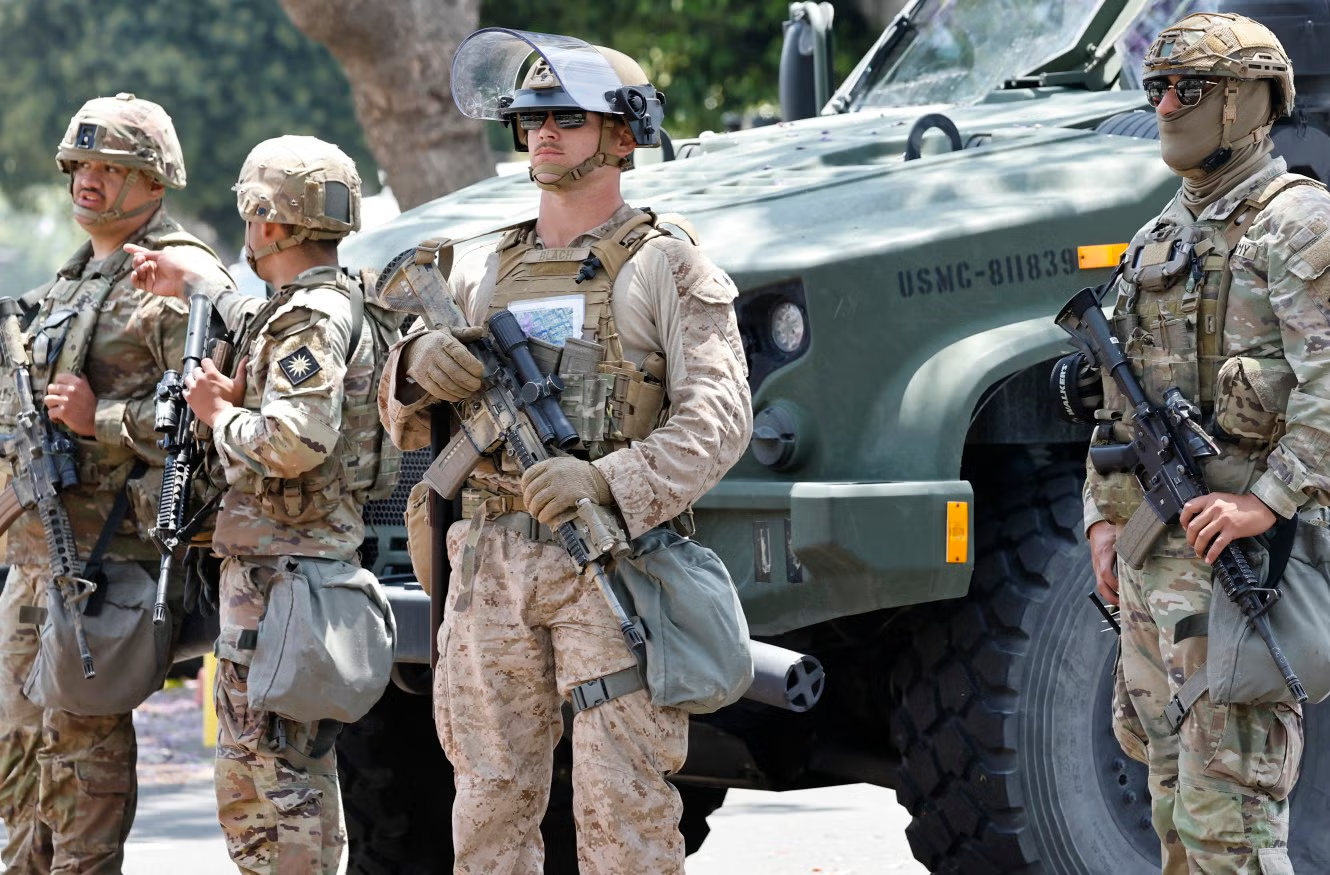
The Trump administration withdrew all federalized National Guard troops from three major United States cities by late January 2026. This move fulfills President Donald Trump’s December 2025 promise to remove military personnel from Los Angeles, Chicago, and Portland, Oregon. However, the president simultaneously issued a stark warning about potentially sending the troops back. He specifically tied any future deployment to rising crime rates in these Democrat-led metropolitan areas. The withdrawal marks a significant shift in the administration’s approach to domestic security operations.
U.S. Northern Command confirmed the demobilization of all Title 10 National Guard forces from these locations. The demobilization officially took effect on January 21, according to military records. More than 5,000 troops departed Los Angeles as part of this withdrawal. Approximately 500 soldiers left Chicago, and another 200 exited Portland. These forces previously operated under federal active-duty orders rather than state authority. Their removal represents a complete reversal of the June 2025 deployment strategy.
President Trump first announced this planned withdrawal in a social media post on December 31, 2025. Also, he praised the National Guard’s impact on reducing crime in these cities. He credited federal intervention with saving Portland, Los Angeles, and Chicago from collapse. Moreover, he expressed confusion about why local Democratic leaders wanted the troops to leave. Then issued a direct warning about the consequences of this withdrawal. He declared that federal forces would return if crime began soaring again. He suggested these returning forces might arrive in a much different and stronger form.
The original deployment began in June 2025 amid immigration enforcement operations. Trump federalized Guard units to protect Immigration and Customs Enforcement personnel and federal property. Administration officials also cited longstanding crime problems in these specific cities. They pointed to the 2020 murder rate spike as justification for federal action. The deployment sparked immediate backlash from governors and mayors. Local leaders characterized the move as unnecessary and politically motivated. They argued the administration bypassed traditional state-federal military cooperation protocols.
Legal challenges quickly emerged following the deployment announcement. California Governor Gavin Newsom filed suit against the administration in October 2025. He accused the president of unlawfully turning the National Guard against local communities. He described the federalization as both illegal and immoral conduct. The Supreme Court intervened in December regarding a planned Chicago deployment. The court temporarily blocked that operation, citing insufficient legal authority. The administration faced mounting judicial resistance to its military deployment strategy.
Despite the withdrawals from these three cities, National Guard personnel remain active elsewhere. Troops continue serving in Washington, D.C., under nonfederal status arrangements. Guard members also remain deployed in New Orleans and Memphis, Tennessee. Those forces operate under separate agreements between governors and the administration. This distinction highlights the unique legal status of the recently withdrawn Title 10 forces. The administration maintains different cooperative relationships with various state governments.
The White House directed inquiries about this withdrawal to Trump’s December announcement. Officials did not provide additional comment beyond the president’s existing statements. Trump maintains that crime reduction justified the original deployment. He argues that local leaders made a mistake by opposing federal assistance. He continues warning about the inevitability of returning crime rates. His administration frames this withdrawal as an experiment in local governance. The president positions himself as ready to respond to any future deterioration.
Democrat leaders in the affected cities celebrated the withdrawal as a victory. They consistently opposed the federal troop presence from its inception. Also, they argued the deployment represented federal overreach into local affairs. They pledged to maintain public safety without military assistance. The political divide between the White House and these city governments remains stark. Each side claims the moral and practical high ground regarding urban safety. The coming months will reveal whether crime rates shift following the military departure.