
Iran’s foreign minister recently articulated a stance of defiant national power. He declared strength comes from resisting global pressure. This statement followed delicate nuclear negotiations with the United States. Consequently, regional tensions remain exceptionally and dangerously high. The United States continues a significant military buildup nearby. Therefore, the situation balances precariously between diplomacy and conflict.
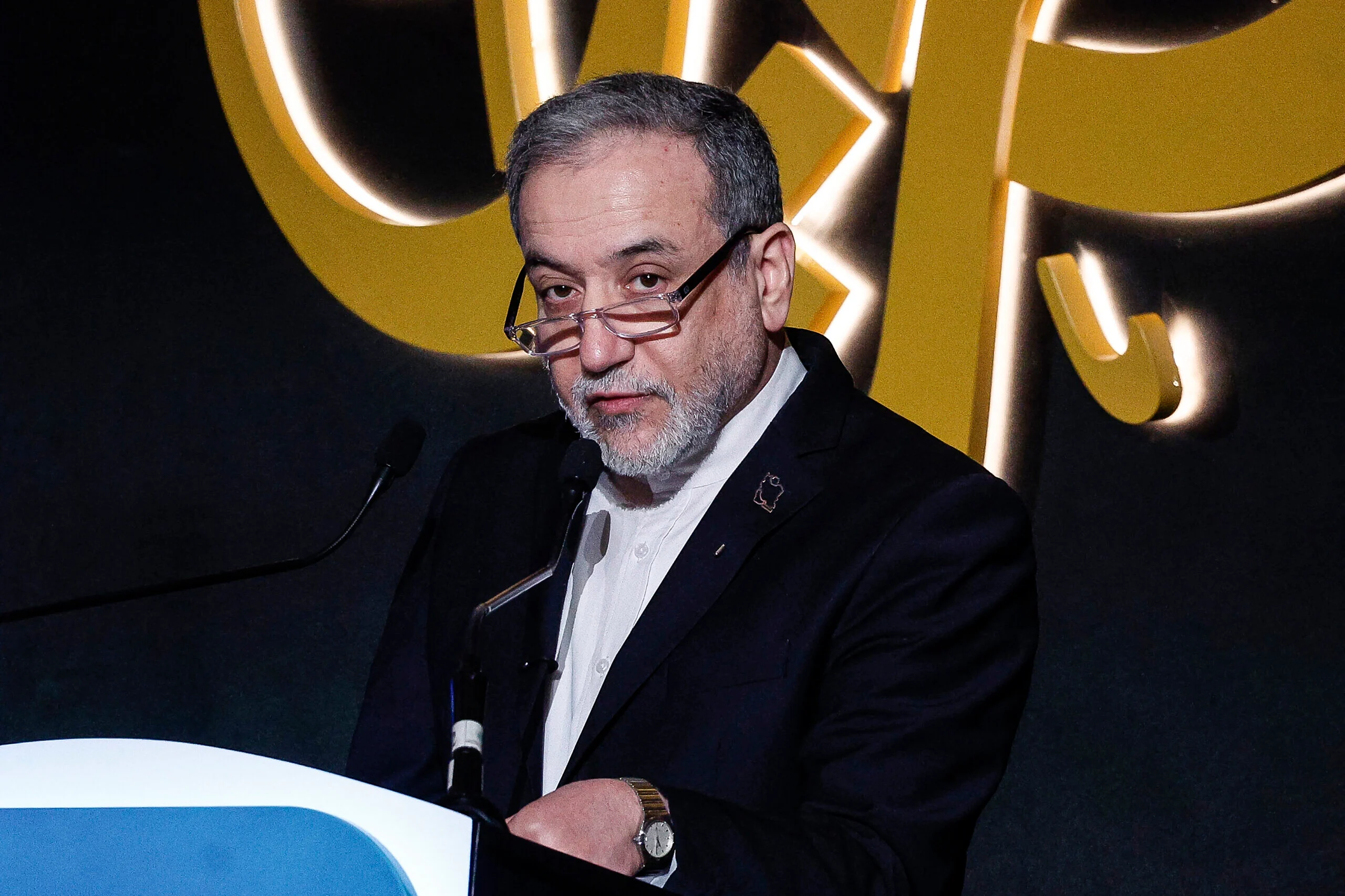
Foreign Minister Abbas Araghchi addressed a policy congress in Tehran. He presented Iran as both a diplomatic and martial nation. Therefore, the minister insisted the country does not seek war proactively. However, he stated readiness to fight for national security. This dual posture defines the current strategic philosophy. It emphasizes a core of defiant national power.
The talks in Oman marked a critical diplomatic opening. They were the first direct meetings since American strikes. Moreover, those U.S. strikes targeted Iranian nuclear facilities last June. Both sides described the negotiations as intensive and lengthy. Officials agreed broadly to continue the discussion process. Future rounds depend on internal consultations in each capital.
Araghchi firmly defended Iran’s nuclear development ambitions. He labeled the program a legitimate national right. However, the minister argued others fear a hypothetical atomic bomb. He claimed Iran’s real weapon is political defiance. This philosophy centers on saying no to great powers. That principle showcases their defiant national power.
Meanwhile, the United States enhances its military position regionally. President Donald Trump deployed a carrier strike group. Several additional guided-missile destroyers now patrol key waterways. Furthermore, these naval assets surround Iran from multiple strategic directions. Also, this buildup clearly pressures the Iranian government. It represents a tangible show of American force.
The Iranian Foreign Ministry called the Oman talks a good start. Decisions on timing and format require further review. The Sultanate of Oman will continue mediating between both nations. This diplomatic channel remains vital and potentially fragile. Any disruption could lead to escalated hostilities quickly.
Regional stability now hangs on these parallel tracks. Diplomacy engages while military forces mobilize simultaneously. The Iranian strategy relies on resisting coercion steadfastly. The U.S. strategy demonstrates overwhelming conventional strength. This dangerous standoff defines Middle Eastern geopolitics today.
Ultimately, Iran’s leadership champions resilience against pressure. They translate this resistance into a source of strength. The coming weeks will test this doctrine severely. Will diplomatic engagement alleviate the mounting military pressure? The world anxiously watches for a definitive answer.

