
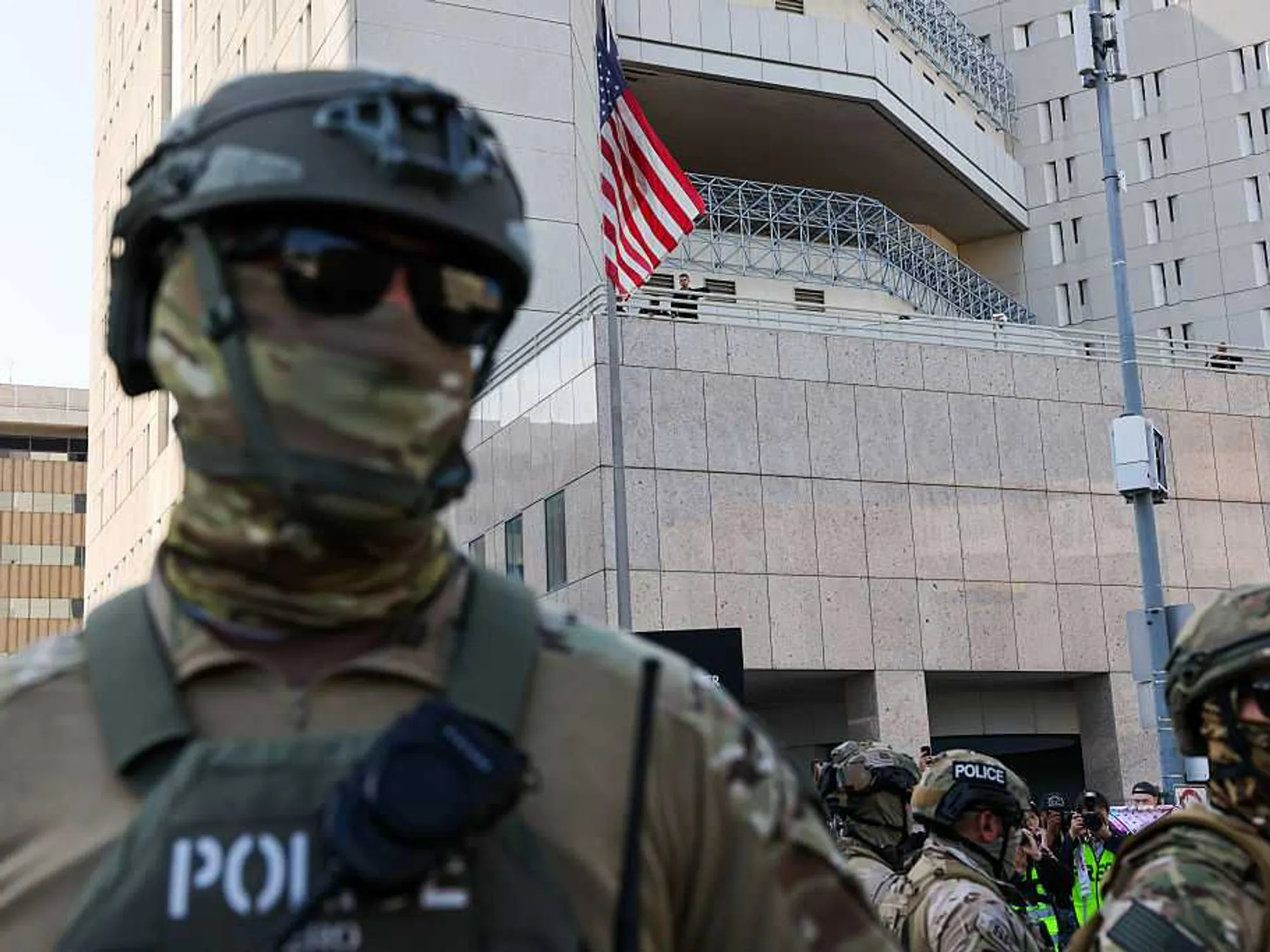
The recent ICE operation in West Virginia arrested hundreds of individuals. This operation proceeded smoothly and without major incident. Officials now highlight this cooperative model. They contrast it sharply with events in Minnesota. The key difference is cooperation not chaos. The two-week federal operation concluded on January 19. Moreover, agents targeted individuals with criminal histories or deportation orders. Federal officials coordinated frequently with local law enforcement agencies. Therefore, this collaboration resulted in roughly six hundred fifty arrests. Authorities described the statewide sweep as lucrative and efficient. The operation’s quiet success provides a clear counterpoint. It contrasts directly with recent ICE actions in Minnesota.
West Virginia Attorney General JB McCuskey praised the operation’s results. He emphasized his state’s deliberate policy of cooperation. McCuskey stated that West Virginia makes enforcement easy. He argued this approach prevents unnecessary disorder and violence. Furthermore, McCuskey directly criticized Minnesota’s leadership for its stance. However, he specifically mentioned Attorney General Keith Ellison by name. McCuskey referenced protests and tensions in the Twin Cities. He labeled that situation as entirely avoidable mayhem. The principle is cooperation not chaos for success. All states operate under the same federal immigration laws. McCuskey noted these laws have remained consistent for years. He claimed state leadership choices create different outcomes entirely.
Several county sheriffs in West Virginia confirmed their participation. Jefferson County Sheriff Thomas Hansen issued a supportive statement. He commended the ICE agents’ professionalism and work ethic. Hansen noted positive interactions with citizens and local officers. Therefore, this cooperative spirit extended to the Eastern Panhandle region. This area is considered more politically liberal traditionally. Even there, the operation faced no substantial organized resistance. This further demonstrates the model of cooperation not chaos. Meanwhile, Maryland Democrats nearby criticized similar federal actions. McCuskey dismissed this criticism as generalized congressional idiocy. Also, he blamed federal lawmakers for inaction on immigration reform.
Federal officials also highlighted arrests from the operation. Those arrested included individuals convicted of serious crimes. Moreover, Charges ranged from assault to child neglect and theft. The Department of Homeland Security endorsed West Virginia’s approach. A senior official urged more states to work together. She stated collaboration can make America safe again. Furthermore, the agency pointed to similar operations in Alabama. Those actions also led to arrests without major incident. Alabama’s governor and senator welcomed future federal activity. They pledged continued cooperation within their state’s borders.
Nevertheless, some West Virginia Democrats challenged this narrative. State Democratic Party Chair Mike Pushkin criticized Republican leaders. He credited Minnesota officials with showing necessary courage. Therefore, Pushkin argued the scale of operations differed greatly. He also cited a federal judge’s subsequent order. That order released some detainees from West Virginia. The judge found insufficient evidence for their detention. Pushkin asserted this fact should alarm all citizens. He accused West Virginia Republicans of blind compliance. This political divide underscores a national debate. The central question involves balancing enforcement and community trust.
Ultimately, the West Virginia operation serves as a case study. It demonstrates one model for federal immigration enforcement. Also, the contrasting results in Minnesota show a different path. Law enforcement coordination appears to minimize public disruption. Political opposition seems to galvanize public protest and tension. The ongoing national debate will certainly continue. Furthermore, the recent events provide fresh evidence for both sides. The chosen approach, whether cooperation or confrontation, matters immensely. Finally, the clear lesson from these states is straightforward. Effective policy requires cooperation not chaos.