
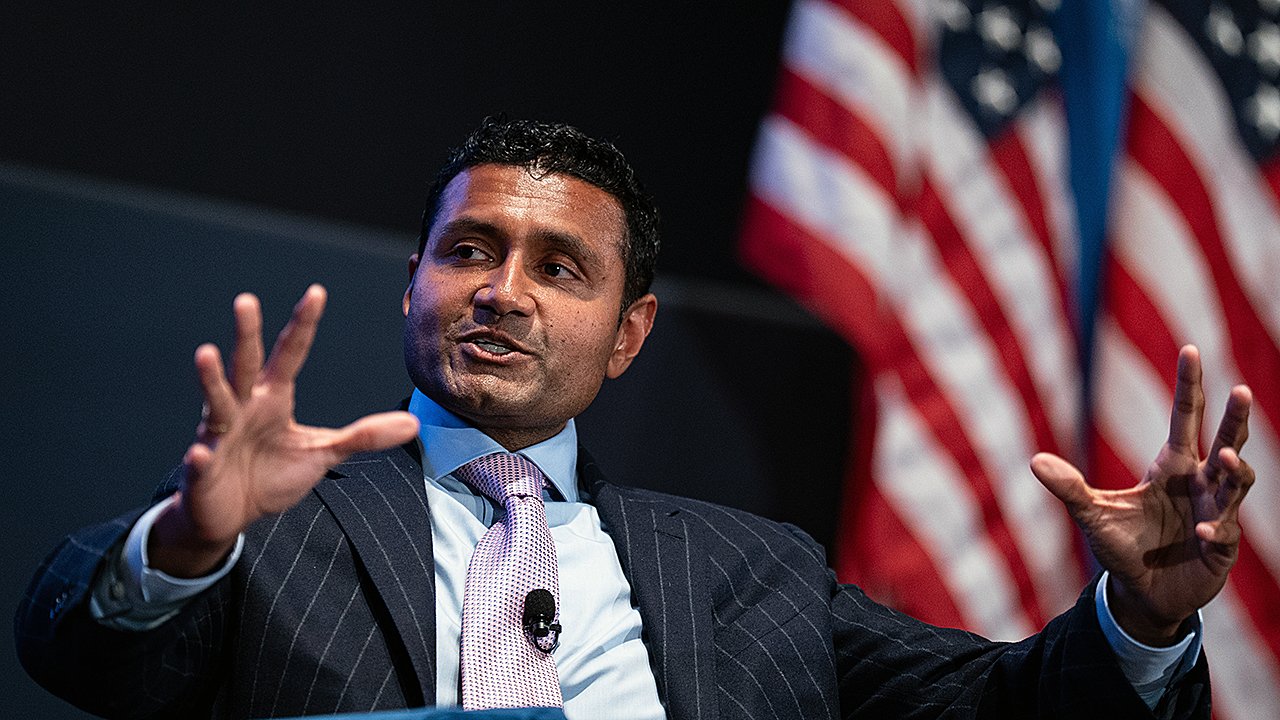
A technology chief argues AI now fuels a productivity boom. This shift greatly benefits blue-collar manufacturing workers. Artificial intelligence enhances efficiency on factory floors. It also accelerates worker training and industrial growth. Consequently, this technological wave creates more jobs. An executive firmly countered widespread unemployment fears. He emphasized real-world gains in American industry.
Therefore, Palantir CTO Shyam Sankar recently explained this trend. He stated AI’s biggest impact is often underreported. The technology significantly aids front-line workers directly. For instance, factory technicians use AI daily. ICU nurses also benefit from its applications. This AI fuels a productivity boom for them. They save time on planning and data tasks. Therefore, they focus more on their core work.
Furthermore, the executive directly addressed political concerns about AI. A prominent senator recently predicted massive job losses. He called for a slowdown in AI development. Sankar strongly rebutted these specific claims. He called such warnings a propaganda narrative. The real story involves empowerment and creation. AI actually helps companies expand their operations. This expansion then leads to increased hiring.
Moreover, Sankar provided clear examples from manufacturing customers. One company streamlined production planning with AI. This efficiency allowed adding a profitable third shift. The move created more jobs for American workers. Another example involves an electric vehicle battery maker. They used AI to revolutionize technician training. Former casino workers became skilled in three months. Traditional apprenticeships required three years previously.
This AI fuels a productivity boom across industries. It transforms how companies hire and train staff. Workers can now learn complex skills faster. They then deploy their talents more effectively. The technology optimizes labor utilization rates dramatically. Higher productivity makes additional hiring financially viable. Therefore, AI directly contributes to job growth.
The conversation also turned toward education’s future. Sankar suggested colleges must urgently reinvent themselves. The workforce increasingly values skills over degrees. His company started a fellowship for high school seniors. It combines technical job training with academic learning. This model may preview broader educational shifts.
Finally, Sankar discussed national AI strategy priorities. He argued for more investment in economic applications. The current focus heavily favors building data centers. The future requires driving value for average workers. This demand-side investment ensures widespread prosperity. The goal is tangible economic gains from AI. This deliberate focus can sustain the productivity boom. The evidence shows AI creating opportunity, not eliminating it.